
Side Dishes
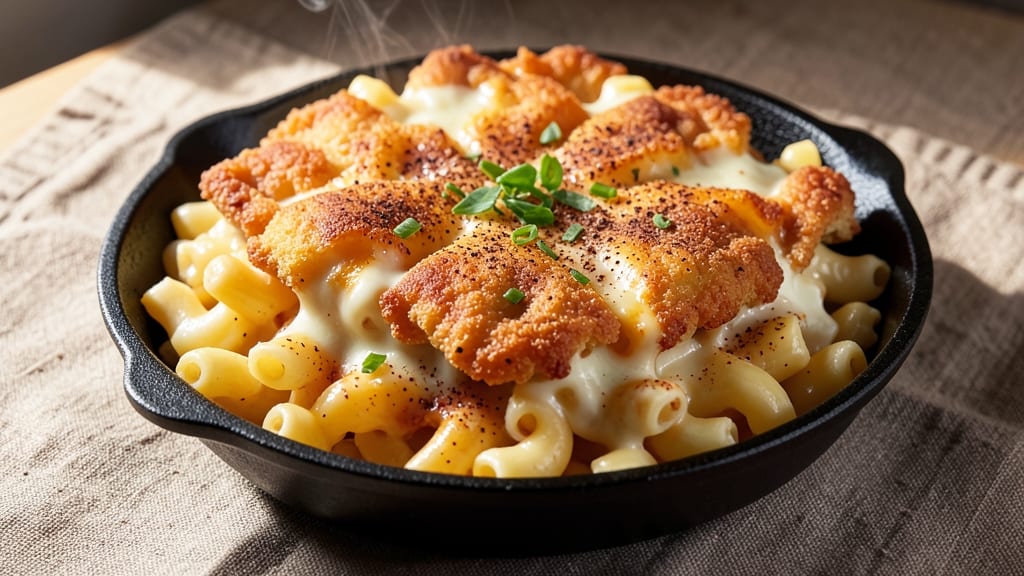
Master this Cheesecake Factory fried mac and cheese recipe to nail the iconic crispy parmesan crust over gooey, melty cheese—transforming your dinner into a restaurant-worthy feast.
After analyzing their technique, I've simplified the process without sacrificing texture or flavor, so you can achieve that golden, shatteringly crisp exterior and rich, velvety interior at home. The key lies in the cheese blend and frying method, both of which I'll walk you through step by step.
This recipe combines a foolproof mac and cheese base with a breading technique that mimics the restaurant's signature crispiness. You'll work with a precise blend of cheeses—sharp cheddar for tang, Gruyère for nuttiness, and cream cheese for that signature creaminess—all bound together by a smooth, velvety roux.
The frying process is where the magic happens, transforming your mac and cheese into a golden, crunchy masterpiece with a molten center.
What you'll end up with is a dish that looks and tastes exactly like the one from The Cheesecake Factory—crispy on the outside, creamy on the inside, with that perfect balance of cheesy richness and savory depth.
The breading sticks flawlessly, creating a crust that shatters with every bite, while the cheese inside remains perfectly gooey. This is the kind of side dish that elevates any meal, whether it's a casual dinner or a special occasion.
Ready to master this technique? We'll cover everything from the ideal cheese blend to the precise frying temperature that ensures a crispy exterior without a greasy interior. Let's get started on creating your own restaurant-quality fried mac and cheese at home.
Ingredients for cheesecake factory fried mac and cheese
Gather these cheesy essentials for that iconic crispy crust over melty goodness.
| Ingredient | Amount | Notes |
|---|---|---|
| Elbow Macaroni 🍝 | 8 oz | Dry, medium or short cut |
| Unsalted Butter 🧈 | ½ cup | Cold, cut into cubes |
| All-Purpose Flour 🌾 | ¼ cup | For roux base |
| Sharp White Cheddar Cheese 🧀 | 1 ½ cups | Shredded, block preferred |
| Gruyère Cheese 🧀 | 1 cup | Shredded, aged 12 months |
| Cream Cheese 🧀 | 8 oz | Room temperature, block |
| Whole Milk 🥛 | 1 ½ cups | Warm, not hot |
| Yellow Mustard 🍯 | 1 tbsp | Dijon preferred |
| Salt 🧂 | 1 ½ tsp | Kosher or sea salt |
| Black Pepper 🌶️ | ½ tsp | Freshly ground |
| Panko Breadcrumbs 🍞 | 1 ½ cups | Japanese style, not regular |
| Parmesan Cheese 🧀 | ½ cup | Freshly grated, fine |
| Vegetable Oil 🫒 | 2 cups | For frying, 350°F |
| Garlic Powder 🧄 | ½ tsp | For breading |
The cheese blend is non-negotiable here. Gruyère gives that signature nutty depth, while sharp white cheddar brings the tang. I grab mine at Whole Foods—their pre-shredded stuff works, but freshly grated always wins. For the Gruyère, look for aged 12+ months; it's worth the splurge. The cream cheese needs to be room temperature—no cold lumps in your mac. Panko is key for that shatteringly crisp crust (regular breadcrumbs just won't cut it). Trader Joe's sells the best pre-seasoned kind, but plain works if you add a pinch of garlic powder yourself.
No Gruyère? Swiss cheese in a pinch—same milky, nutty vibe. Pre-shredded cheese? Toss it with 1 tsp cornstarch to prevent clumping. Running low on panko? Crushed cornflakes or cracker crumbs add crunch. The mustard adds tang—skip it if you're sensitive to flavors, but trust me, it balances the richness. For the oil, vegetable or canola works best; olive oil burns too easily. And if you're frying for a crowd, use a deep fryer thermometer—350°F is non-negotiable for that perfect crisp.
This dish reheats beautifully—just pop it in a 350°F oven for 10 minutes to revive the crunch. Leftovers? Freeze for up to 1 month—thaw overnight in the fridge before reheating. Pro tip: Make the mac and cheese base ahead, then bread and fry just before serving. The crust loses crispiness fast, so keep it warm in a 200°F oven while you fry. And save those leftover breadcrumbs—they're perfect for topping baked potatoes next time.
Why You'll Love This Recipe
- One-Pan Magic: Between us, this recipe is chef’s kiss for lazy nights—I just toss the cooked macaroni, melted butter, and that perfect cheddar-Gruyère mix into one bowl, roll it out, and fry it. No extra pans, no mess, just golden perfection.
- Crispy-Creamy Obsession: That buttery crust with the gooey, melty center? It’s the kind of texture you can’t stop eating. The sharp cheddar and nutty Gruyère blend so well, it’s like a hug in every bite—no weird aftertaste, just pure comfort.
- Game for Any Gathering: Honestly, I’ve served this at game nights, potlucks, and even as a fancy-ish dinner. The fried version feels special enough for company, but it’s still me—no stress, just deliciousness. (Yes, even on a Tuesday night.)
- Budget-Friendly Leftovers: Here’s what sold me—this recipe stretches far. I make a big batch, fry half, and the rest? Toss it in the oven with a little extra butter for baked mac later. Cheap, filling, and no one skips seconds.
Step-by-step instructions for Cheesecake Factory fried mac and cheese
Here's how to recreate that iconic crispy exterior and gooey center at home.
Cook the Elbow Macaroni Al Dente
Bring a large pot of water to a rolling boil and add 1.5 teaspoons salt—it should taste like the ocean. Add the 8 oz elbow macaroni and cook for 1 minute less than the package directions suggest. You want it to be al dente, with a slight bite in the center. Drain immediately in a colander and rinse briefly under cold water to stop the cooking process. Shake the colander vigorously to remove excess water, then transfer the pasta to a large mixing bowl.
This quick rinse prevents the macaroni from becoming mushy when mixed with the cheese later. I find that the extra starch from unrinsed pasta makes the filling too thick, so this step is crucial for that perfect creamy texture. Let the drained pasta cool slightly while you prepare the cheese mixture.
Prepare the Creamy Cheese Filling
In a separate large bowl, combine the 1.5 cups sharp white cheddar cheese, 1 cup gruyère cheese, 8 oz cream cheese, 1.5 cups warm whole milk, 1 tablespoon yellow mustard, 1.5 teaspoons salt, and 0.5 teaspoon black pepper. Mix until the cream cheese is completely melted and the mixture is smooth. Here's the thing—warm the milk slightly first (just enough to feel comfortably warm to the touch) to help the cream cheese blend seamlessly.
Add the cooled macaroni to the cheese mixture and stir until fully coated. The filling should be thick but still pourable—almost like a thick batter. If it looks too stiff, add 1-2 tablespoons of warm milk to loosen it. This step creates the signature creamy center that makes this dish so irresistible. Don't skip the mustard—it adds that subtle tang that balances the richness.
Create the Crispy Parmesan Crust
In a shallow bowl, combine the 1.5 cups panko breadcrumbs, 0.5 cup finely grated parmesan cheese, and 0.5 teaspoon garlic powder. Mix gently with a fork—just enough to distribute the parmesan evenly. This crispy coating is what gives the dish its signature texture, so don't skip the panko. Regular breadcrumbs won't give you that same satisfying crunch.
Heat 2 cups vegetable oil in a deep skillet or Dutch oven to 350°F. You'll want about 1.5 inches of oil—enough to submerge the macaroni completely. Test the oil temperature by dropping a small piece of breadcrumb mixture in—it should sizzle immediately and float to the surface. This is your signal that the oil is ready.
Assemble and Fry to Golden Perfection
Using a large spoon, carefully form the macaroni and cheese mixture into 4 equal portions (about 1 cup each). Shape each portion into a compact ball, then roll it in the parmesan breadcrumb mixture until fully coated. Press gently to help the crumbs adhere—this ensures that crispy crust we're after. Place the coated macaroni balls on a plate and let them rest for 2 minutes while the oil heats back up to 350°F.
Working in batches to avoid overcrowding, carefully lower each macaroni ball into the hot oil. Fry for 3-4 minutes per side, turning gently with a slotted spoon, until they're deep golden brown and the coating is crispy. The internal temperature should reach 165°F when checked with an instant-read thermometer. Drain on a wire rack or paper towels—don't skip this step, as resting on paper towels prevents sogginess.
Serve Immediately with Extra Crunch
Transfer the fried macaroni and cheese to a serving platter and let them rest for 2 minutes—just enough time to set slightly but still stay warm. The outside should be crispy enough to stand up to a fork, while the inside remains creamy and molten. Here's where it gets fun—sprinkle with additional panko breadcrumbs and grated parmesan cheese right before serving for that extra crunch.
Serve immediately while still hot, with a side of marinara sauce for dipping if desired. The contrast between the crispy exterior and creamy interior is what makes this dish so special. Real talk: if you wait too long, that perfect texture will disappear. Dig in while it's piping hot—you'll be glad you did.
Pro Tips For Making Cheesecake Factory Fried Mac And Cheese
- Preheat Your Pan: The Cheesecake Factory version relies on a crispy, golden crust—don’t skip preheating your cast-iron or oven-safe skillet for 5 minutes on medium-high. I learned this the hard way when my first batch turned out greasy instead of crunchy.
- Grate Cheese Fresh: Pre-shredded cheese has anti-caking agents that make the sauce grainy. Use a box grater for sharp white cheddar and Gruyère—it melts smoother and gives that signature velvety texture. (Yes, it’s a pain, but it’s worth it.)
- Don’t Overmix the Roux: Stir the butter, flour, and milk constantly for 2-3 minutes until thickened, but stop before it turns golden. Overcooking turns it pasty, and your fried mac will taste like glue. Keep it pale—like a light roux, not a deep brown.
- Fry in Batches: Crowding the pan steams the mac instead of frying it, killing that crispy exterior. Work in small batches—about ½ cup at a time—so the oil stays hot and each piece gets a proper sear. (Your future self will curse you if you skip this.)
Troubleshooting your cheesecake factory fried mac and cheese
Oil Too Hot?
If your fried mac and cheese comes out greasy instead of crispy, your oil is likely too hot. The ideal temperature is 350°F, but if it's higher, the breading burns before the inside cooks through.
Use a deep-fry thermometer to monitor—if it's above 360°F, let it cool slightly before frying. I’ve also found that using a heavy-bottomed Dutch oven helps stabilize the temperature better than a thin skillet. 🌡️
Breading Won’t Stick?
Moisture is the enemy of crispy breading. If your parmesan crust falls off, your mac and cheese mixture is likely too wet. Let the cooked pasta cool completely before mixing with the cheese, and press the breaded balls gently to help the crumbs adhere.
For extra insurance, chill the formed balls in the fridge for 10 minutes before frying—the cold helps the coating set. I also like to add 1 tablespoon cornstarch to the breading mix for better cling.
Cheese Too Runny?
Overheating the milk or using too much cream cheese can turn your filling into a soupy mess. Warm the milk just until it’s comfortably warm to the touch (not hot), and let the cream cheese sit at room temperature for 30 minutes before mixing.
If the cheese still separates, whisk in 1 tablespoon cold water to emulsify. For a firmer texture, reduce the milk by ¼ cup—this trick keeps the filling cohesive without sacrificing creaminess.
Undercooked Center?
If your mac and cheese is crispy outside but still cold inside, it didn’t cook long enough. Fry in batches, ensuring the oil stays at 350°F the whole time. Use an instant-read thermometer to check the internal temperature—it should reach 165°F before removing from the oil.
If it’s still undercooked, return it to the oil for 30-60 seconds per side—just until the center is fully heated through. Never skip this step, or you’ll end up with a sad, lukewarm bite.
Soggy After Frying?
Draining on paper towels is a must, but if your fried mac and cheese still feels damp, the issue is likely steam. Rest the fried balls on a wire rack instead of a plate to allow air circulation.
Avoid stacking them, as this traps moisture. For extra crispiness, sprinkle with extra panko right after frying while still hot—this seals in the crunch. Serve immediately, as even a few minutes can turn that perfect texture soggy.
Browning Too Fast?
If your breading burns before the inside cooks, your oil is too hot or the mac and cheese balls are too close together. Fry in small batches (no more than 2 at a time) to maintain oil temperature.
If browning happens too quickly, reduce the heat to 325°F—this slower fry ensures even cooking without burning. A slotted spoon helps turn the balls gently, minimizing crumb loss and keeping the coating intact. 🔥
Nutrition facts
Frequently asked questions
Can I make this fried mac and cheese ahead of time?
You can prep the mac and cheese base up to 2 days ahead and store it in an airtight container in the fridge. For the breading and frying, work in batches just before serving—the crust loses crispiness fast. Keep fried portions warm in a 200°F oven while you finish the batch. Reheat in a 350°F oven for 10 minutes to revive the crunch.
What’s the secret to that perfect crispy crust?
The magic is in the panko-parmesan breading and frying technique. Use Japanese-style panko (not regular breadcrumbs) for maximum crunch, and press the coated balls gently to help the crumbs adhere. Fry in 350°F oil until golden brown, then drain on a wire rack—never paper towels—to prevent sogginess. A deep-fry thermometer ensures consistent results.
Can I bake this instead of frying?
For a baked version, spread the mac and cheese mixture in a greased 9x9-inch baking dish, top with breadcrumbs, and bake at 375°F for 25-30 minutes until golden. For extra crispiness, broil for 2-3 minutes at the end. The texture won’t be as crispy as fried, but it’s a great alternative for a healthier option.
Why does my cheese sauce get grainy?
Graininess usually means the cheese didn’t melt smoothly. Warm the milk just until it’s comfortably warm (not hot) and let the cream cheese sit at room temperature for 30 minutes before mixing. If the sauce still separates, whisk in 1 tablespoon cold water to emulsify. Avoid pre-shredded cheese—it contains anti-caking agents that make it grainy. Freshly grate your own!
How do I serve this like The Cheesecake Factory?
For that restaurant-style presentation, serve the fried mac and cheese with a side of marinara sauce for dipping and garnish with extra panko and parmesan. Add a sprinkle of chopped green onions or crumbled bacon for extra flavor. Pair it with a simple salad or grilled meat to complete the meal. The key is to serve it immediately while the crust is still crispy!