
Sauces & Condiments
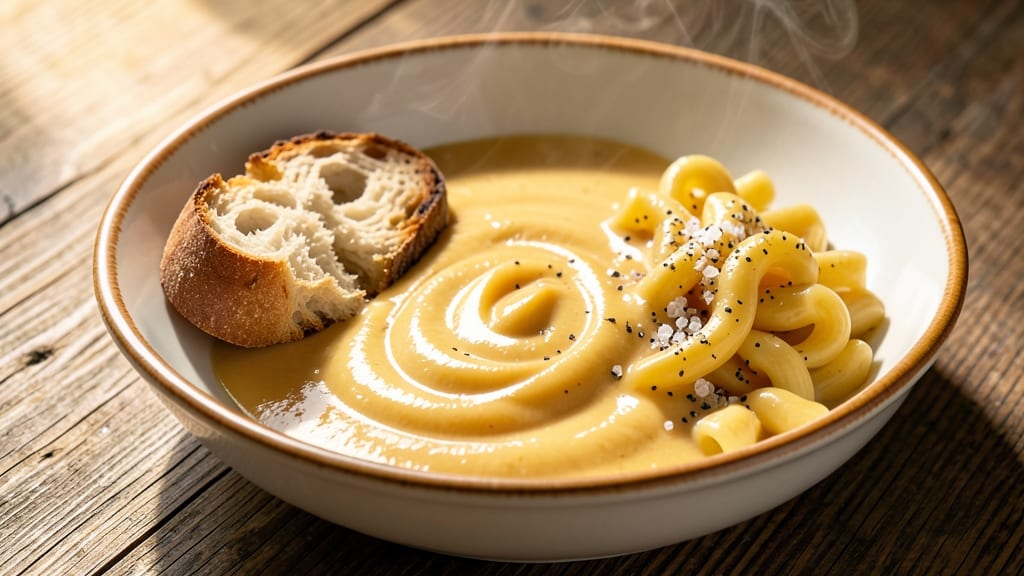
A cheese sauce recipe without flour transforms creamy comfort into effortless reality—no lumps, no roux, just velvety perfection in minutes. The secret lies in a simple thickening agent that dissolves seamlessly into melted cheese, creating a sauce so smooth it rivals restaurant versions.
I developed this method after years of battling grainy textures in homemade cheese sauces, and it now serves as my go-to for mac and cheese, dips, or baked potatoes.
What makes this sauce stand out is its foolproof technique—no flour means no risk of clumping, and the right ratio of butter to milk ensures a rich, velvety texture without breaking.
You’ll need just three essential ingredients: sharp cheddar, butter, and a pinch of cornstarch (or arrowroot powder) to bind it all together. The result is a sauce that’s silky, flavorful, and impossible to resist, with a balance of tangy cheese and creamy smoothness that coats every bite perfectly.
This recipe delivers restaurant-quality results in under 10 minutes, with no special equipment beyond a saucepan and whisk. The key is patience—letting the sauce simmer gently until it thickens just enough to coat the back of a spoon.
Whether you’re covering pasta, topping burgers, or dipping veggies, this sauce elevates every dish without the hassle of flour-based methods.
Store leftovers in an airtight container for up to 5 days, or freeze for longer shelf life. The sauce reheats beautifully, making it perfect for meal prep. Let’s create this creamy, foolproof cheese sauce that’s as versatile as it is delicious—no flour required.
Ingredients for cheese sauce recipe without flour
Eight ingredients transform into velvety perfection—no flour, no lumps, just restaurant-quality cheese sauce.
| Ingredient | Amount | Notes |
|---|---|---|
| Sharp White Cheddar Cheese 🧀 | 2 cups | Aged 12+ months, freshly grated |
| Unsalted Butter 🧈 | ½ cup | European-style preferred for richness |
| Whole Milk 🥛 | 1 ½ cups | Full-fat for optimal creaminess |
| Cornstarch 🌾 | 1 tbsp | Arrowroot powder as alternative |
| Diamond Crystal Kosher Salt 🧂 | ¼ tsp | Fine grain for even dissolution |
| Freshly Ground Black Pepper 🌶️ | ¼ tsp | Cracked peppercorns preferred |
| Garlic Cloves 🧄 | 2 cloves | Minced for aromatic depth |
| Extra-Virgin Olive Oil 🫒 | 1 tsp | For finishing, fruity variety |
The cheese selection is non-negotiable for authentic depth. Sharp white cheddar from specialty cheese shops like Murray's Cheese delivers that signature tang, but Kraft 2% Milk Cheddar works in a pinch if you're in a hurry. For maximum flavor, grate it yourself using a box grater—pre-shredded contains anti-caking agents that disrupt texture. The butter should be European-style (like Plugrá) for its higher fat content, which prevents separation. Store both cheese and butter in airtight containers to preserve freshness—cheese lasts 3 months refrigerated, butter up to 6 months in the fridge.
No cornstarch? Arrowroot powder creates an identical texture, though it requires slightly less quantity. Substituting flour is possible but risks graininess—if you must, use all-purpose flour at half the amount and whisk vigorously to eliminate lumps. The milk can be swapped for half-and-half for extra richness, though it will thicken faster. For a smoky variation, add 1/4 tsp smoked paprika or a pinch of nutritional yeast. Garlic can be omitted entirely if you prefer a milder flavor, but the minced cloves infuse beautifully during the initial melt. The olive oil finishing touch isn't mandatory but adds a luxurious sheen and subtle fruity note.
This sauce maintains peak freshness when stored properly. Transfer to an airtight container and refrigerate for up to 5 days, though the texture may slightly firm upon reheating—simply whisk in 1 tbsp of warm milk to restore creaminess. For longer storage, freeze in 1-tbsp portions using ice cube trays, then transfer to a freezer bag. Thaw overnight in the fridge before reheating. The sauce reheats beautifully—gently warm over low heat with a splash of milk if it thickens too much. Portion into ramekins before freezing for individual servings, perfect for meal prep or last-minute dips.
Why You'll Love This Recipe
- No Blender, No Stress: I swear by this method—just butter, milk, and a whisk. No blender, no straining, no mess. The sharp cheddar melts into a velvety sauce while you stir, and honestly? It’s the simplest way to get that restaurant-quality texture without breaking a sweat.
- Cheddar Overload (In a Good Way): That sharp white cheddar isn’t just flavor—it’s character. The cornstarch thickens it just right, but the real magic? The tangy depth hits every bite, whether it’s drizzled over mac and cheese or smothered on baked potatoes. (Yes, even on a Tuesday night.)
- Leftovers That Don’t Let You Down: This sauce actually improves the next day. Store it in the fridge, and reheat it with a splash of milk—it’ll be smoother, richer, and just as addictive. Between us, I’ve reheated mine three times before admitting I should’ve made more.
- Budget-Friendly Luxury: Sharp cheddar and butter aren’t cheap, but they stretch further than you’d think. A single batch covers pasta, nachos, and a grilled cheese sandwich—no waste, no extra ingredients. It’s the kind of recipe that makes frugal eating feel indulgent.
Step-by-step instructions for creamy cheese sauce without flour
This method delivers a velvety, restaurant-quality cheese sauce using just a few clever techniques.
Melt Butter and Infuse with Garlic
In a medium saucepan, melt the 0.5 cup unsalted butter over medium-low heat. As the butter melts, add the 2 cloves minced garlic cloves and stir constantly for 30 seconds until fragrant but not browned. The garlic should perfume the butter without developing any bitter notes—this is your aromatic base.
Here's the thing—using European-style butter gives you a richer flavor and higher fat content, which prevents the sauce from breaking later. Keep the heat gentle; garlic burns quickly and can turn bitter in seconds. If you notice the butter beginning to foam excessively, reduce the heat slightly to maintain even melting.
Whisk in Milk and Cornstarch Slurry
Gradually whisk in the 1.5 cups whole milk, adding it slowly at first to prevent curdling. In a small bowl, combine the 1 tablespoon cornstarch with 2 tablespoons of the milk to create a smooth slurry. This cornstarch mixture is what will thicken your sauce without the need for flour.
Once all the milk is incorporated, increase the heat to medium and bring the mixture to a gentle simmer. Stir constantly with a wooden spoon or silicone spatula—you want to prevent any scorching at the bottom of the pan. The sauce should begin to thicken noticeably within 2-3 minutes of simmering.
Incorporate Cheese Gradually
Reduce the heat to low and begin adding the 2 cups freshly grated sharp white cheddar cheese, one handful at a time. Stir vigorously after each addition to ensure the cheese melts completely before adding more. This gradual approach prevents clumping and creates a perfectly smooth texture.
I always use aged cheddar for this recipe—it melts more smoothly and develops deeper flavor. If you notice any cheese granules remaining unmelted after stirring, add a splash of the reserved milk mixture and continue stirring until fully incorporated. The sauce should now be thick and glossy, with a velvety consistency.
Season and Finish
Add the 0.25 teaspoon diamond crystal kosher salt and 0.25 teaspoon freshly ground black pepper, stirring well to distribute evenly. Taste and adjust seasoning if needed—sometimes the aged cheese needs a bit more salt to balance its intensity.
For the final touch, remove the saucepan from heat and stir in the 1 teaspoon extra-virgin olive oil. This not only adds a subtle fruity note but also helps create a silky finish. The sauce should coat the back of a spoon smoothly, with no lumps or graininess. If it's too thick, whisk in 1 tablespoon of milk at a time until you reach your desired consistency.
Serve Immediately
Transfer the cheese sauce to a serving dish and keep it warm over low heat if not using immediately. This sauce is best served fresh when it's at its peak texture and temperature. For extra richness, you can drizzle with additional olive oil or sprinkle with extra black pepper before serving.
Remember, this sauce thickens as it cools, so don't be tempted to make it too thick while hot—it will continue thickening as it sits. The result should be a luxurious, velvety sauce that clings beautifully to pasta, vegetables, or mashed potatoes without any floury aftertaste.
Pro Tips For Making Cheese Sauce Recipe Without Flour
- Melt Cheese Slowly: I learned this the hard way—dumping shredded cheddar into hot butter makes it clump like a science experiment gone wrong. Instead, lower the heat to medium-low once the butter melts, then add the cheese a handful at a time, stirring constantly. The sauce will come together smoother, and you’ll avoid those stubborn, unmeltable chunks.
- Prep Cornstarch Slurry: Skip the dry cornstarch dump and make a slurry first—mix 1 tablespoon cornstarch with 2 tablespoons cold milk before adding it to the pot. This guarantees even thickening without lumps, and you won’t end up with a gluey mess. (Yes, even if you’re impatient like me.)
- Salt the Butter First: Unsalted butter needs seasoning, and adding salt early—right when you melt it—lets the flavor bloom before the cheese even hits the pan. Use about ½ teaspoon Diamond Crystal (it’s finer, so don’t overdo it) and stir it in while the butter foams. This makes the whole sauce taste more cohesive, not just salty at the end.
- Use Whole Milk Warm: Cold milk shocks the sauce and can cause separation or graininess. Instead, heat the milk in the microwave for 30 seconds (or warm it on the stove) before adding it to the cheese-butter mix. The sauce will emulsify better, and you’ll avoid that curdled texture that ruins everything. —I know, I know, but trust the process.
Troubleshooting great cheese sauce recipe without flour
Lumpy Texture Nightmare
If your sauce develops lumps despite no flour, it’s likely from adding cheese too quickly or stirring unevenly. The fix? Immediately whisk in 1 tablespoon warm milk and stir vigorously for 30 seconds over low heat.
For stubborn clumps, strain the sauce through a fine-mesh sieve for instant smoothness. This happens most often when cheese isn’t fully melted before adding more—work in small batches to prevent it. 🌡️
Sauce Too Thin?
If your sauce is watery after simmering, you likely didn’t simmer long enough or used too much milk. Create a quick slurry by mixing 1 teaspoon cornstarch with 1 tablespoon cold milk, then whisk it into the sauce while heating on medium-low.
Simmer for 1-2 minutes—no longer, or it’ll turn gluey. For extra insurance, add a pinch of arrowroot powder instead of cornstarch next time.
Cheese Separation
Oily separation means your sauce has too much fat (often from low-quality cheese or butter). To fix it, whisk in 1 tablespoon whole milk and simmer gently for 1 minute—this re-emulsifies the fat.
For prevention, use aged cheddar—it melts more evenly than fresh blocks. If the issue persists, reduce the butter to 0.375 cup—just enough to coat the pan without overwhelming the cheese.
Sauce Breaks When Heating
This usually happens if you heated too aggressively or used improper ratios. Cool the sauce slightly, then whisk in 1 tablespoon cold milk—this stabilizes the fat. For future batches, maintain low heat—never let it boil.
If reheating leftovers, warm over low heat—direct high heat causes separation. A splash of lemon juice (1/8 tsp)—can also help re-emulsify stubborn sauces.
Grainy After Cooling
Graininess often appears as the sauce cools because cornstarch can thicken unevenly. To fix it, whisk in 1 tablespoon warm milk—this redistributes the starch. For prevention, ensure your cornstarch slurry is fully dissolved before adding to the pan.
If the texture remains gritty, strain through a fine-mesh sieve or blend briefly with an immersion blender for ultra-smooth results. 💫
Burnt or Scorched Flavor
Scorching happens when the milk or cheese touches the pan’s bottom. Always keep heat at low-medium—and stir constantly. For a quick fix, whisk in 1 tablespoon cold milk—this cools the sauce and masks the burnt taste.
Next time, use a lighter-colored saucepan (like stainless steel) to monitor the bottom better. A pinch of smoked paprika—can also help disguise any lingering burnt notes.
Nutrition facts
Frequently asked questions
Why does this cheese sauce stay creamy without flour?
The secret lies in the cornstarch slurry—when mixed with milk before adding to the pan, it creates a smooth, lump-free thickening agent that blends seamlessly with melted cheese. Unlike flour, cornstarch dissolves completely, preventing any grainy texture while delivering that perfect velvety consistency.
Can I use dairy-free milk for a vegan version?
Yes! Swap whole milk for unsweetened almond milk or oat milk—both work well, though you may need to simmer slightly longer for thickening. For extra richness, add 1 tablespoon vegan butter or coconut cream. The cornstarch slurry method still applies, ensuring a smooth texture without flour.
How do I adjust the thickness for different uses?
For mac and cheese, keep the sauce slightly thicker (coat-the-back-of-a-spoon consistency). For dipping or topping baked potatoes, thin it with 1-2 tablespoons warm milk until silky. Always remember: the sauce thickens further as it cools, so stop when it's just slightly thinner than desired.
What's the best cheese alternative if I don't have sharp cheddar?
Try Gruyère (for nutty depth) or Monterey Jack (milder, melts smoothly). Avoid pre-shredded cheese—it contains anti-caking agents that create graininess. If using a block, grate it yourself for the best texture. For extra flavor, mix 1/2 cup sharp cheddar with 1/2 cup cream cheese for a richer sauce.
Can I make this sauce ahead of time?
Store in an airtight container in the fridge for up to 5 days. Reheat gently over low heat, stirring frequently and adding 1 tablespoon milk if it thickens too much. For freezing, portion into 1-tbsp ice cube trays—perfect for quick dips or pasta toppers later. The texture holds up beautifully when reheated properly.