
Main Courses
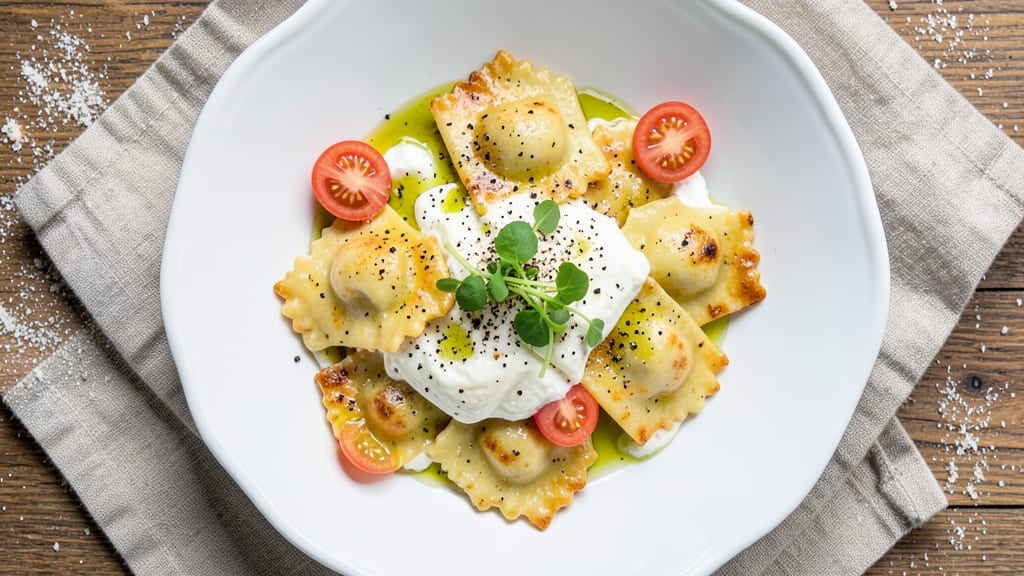
This cheese ravioli pasta recipe delivers restaurant-quality pillowy dough and melty, gooey filling that transforms a simple weeknight dinner into something extraordinary. The secret lies in precise dough rolling and a filling that stays perfectly sealed during cooking—no leaks or tough centers here.
I’ve perfected this method after years of testing, ensuring each bite delivers that satisfying combination of tender pasta and rich, creamy cheese.
The dough begins with flour, eggs, and a touch of olive oil, rolled out paper-thin to create delicate squares that encase the filling without cracking. Inside, a blend of ricotta, mozzarella, and parmesan creates a filling that’s creamy yet firm enough to hold its shape.
This isn’t your average pasta—it’s a labor of love that pays off with every forkful of al dente dough and melted cheese.
Boiling the ravioli just until they float ensures they’re perfectly cooked—never mushy, never underdone. Pair them with a simple butter-sage sauce, a classic marinara, or a velvety Alfredo for a dish that feels indulgent yet balanced.
The result? A plate that looks elegant, tastes luxurious, and leaves everyone asking for seconds.
Whether you’re making these for a family dinner or impressing guests, this recipe delivers professional results with simple techniques. Let’s get started—your kitchen is about to become the star of the meal.
Ingredients for cheese ravioli pasta
Flour, eggs, and cheese transform into restaurant-quality ravioli with just a few key ingredients.
| Ingredient | Amount | Notes |
|---|---|---|
| All-Purpose Flour 🌾 | 3 cups | Sifted for smooth dough |
| Large Eggs 🥚 | 3 whole | Room temperature for best mixing |
| Extra-Virgin Olive Oil 🫒 | ½ cup | High quality for richness |
| Part-Skim Ricotta Cheese 🧀 | 1 cup | Drained well for texture |
| Shredded Mozzarella Cheese 🧀 | 1 ½ cups | Freshly shredded from block |
| Freshly Grated Parmesan Cheese 🧀 | ½ cup | From a wedge, not pre-grated |
| Garlic Cloves 🧄 | 2 cloves | Minced for filling flavor |
| Salt 🧂 | 1 tsp | Fine sea salt preferred |
| Black Pepper 🌶️ | ½ tsp | Freshly cracked |
| Nutmeg 🌿 | ¼ tsp | Freshly grated for warmth |
| Semolina Flour 🌾 | ¼ cup | For dusting ravioli |
| Unsalted Butter 🧈 | 2 tbsp | For finishing sauce |
| Fresh Sage Leaves 🌿 | 8 whole | Chopped for butter sauce |
The flour is non-negotiable here—King Arthur or Caputo Tipo 00 if you can find it, but all-purpose works in a pinch. Eggs should be room temperature—cold ones make the dough tough. For the cheese filling, freshly shredded mozzarella (not pre-shredded) melts like a dream. I grab mine from Whole Foods or the deli counter at Kroger, where they shred it fresh for you. The ricotta needs draining—wrap it in a clean towel and let it sit for 15 minutes to remove excess moisture. Nutmeg is the secret weapon here—freshly grated makes all the difference, but pre-grated works if that's what you've got.
No ricotta? Cottage cheese with the liquid drained works in a bind. Short on mozzarella? Fontina or provolone add great flavor. The olive oil matters—California Extra Virgin or Colavita are my go-tos, but any fruity oil will do. For the dough, sift the flour to avoid lumps, and don’t overmix—just combine until it comes together. The filling should be creamy but not soupy—if it’s too wet, add a pinch more Parmesan to firm it up. And trust me, skip the pre-grated Parmesan—it’s full of anti-caking agents that make the dough gummy.
This dough keeps for 2 days wrapped in plastic in the fridge, but the filling is best used fresh. If you make extra, freeze the dough squares on a tray before bagging—up to 3 months. The filling freezes too, but texture changes slightly. For the butter-sage sauce, melt the butter low and slow—don’t rush it, or the sage will burn. Store leftovers in an airtight container with a paper towel pressed on top to keep them dry. Reheat gently—microwave makes them soggy.
Why You'll Love This Recipe
- No-Fuss Dough: I swear by this recipe because the dough only needs flour, eggs, and a splash of olive oil—no kneading, no fuss. Roll it out, cut squares, and you’re halfway to dinner.
- Creamy Cheese Magic: That ricotta-mozzarella combo? It’s where this dish shines. The ricotta stays soft and tangy, while the mozzarella melts into gooey perfection—like a hug in pasta form.
- Weeknight Workhorse: Serve it as a quick weeknight meal or bring it to a potluck. Toss with a simple tomato sauce for a classic, or go roasted veggie for something fresh. It’s that adaptable.
- Budget-Friendly Leftovers: Cheese ravioli freezes like a dream, so I make a double batch. Reheat with a drizzle of olive oil and garlic—still delicious the next day. Minimal cost, maximum flavor.
Step-by-step instructions for cheese ravioli pasta
Here's how to create pillowy ravioli with a melty cheese filling that stays perfect every time.
Make the Pillowy Dough
On a clean surface, mound the 3 cups all-purpose flour and create a well in the center. Add the 3 whole large eggs and 0.5 cup extra-virgin olive oil to the well. Let the eggs soak into the flour for 1 minute before gently mixing with a fork.
Once combined, transfer the dough to your hands and knead for 8-10 minutes until smooth and elastic. The dough should be soft but not sticky—if it's too dry, add a teaspoon of water; if too sticky, sprinkle a little more flour. Wrap tightly in plastic and rest for 30 minutes at room temperature. This resting time relaxes the gluten, making your ravioli tender rather than tough.
Prepare the Melty Cheese Filling
In a medium bowl, combine the 1 cup part-skim ricotta cheese, 1.5 cups shredded mozzarella cheese, 0.5 cup freshly grated parmesan cheese, 2 cloves minced garlic, 1 teaspoon salt, 0.5 teaspoon black pepper, and 0.25 teaspoon nutmeg. Mix gently with a fork until just combined—overmixing can make the filling dense.
Here's the thing—ricotta can vary in moisture content. If your filling looks too wet, press it through a fine-mesh sieve to remove excess liquid. The filling should hold its shape when packed into ravioli but still be creamy when cooked. Taste and adjust seasoning if needed—this is your chance to perfect the flavor before sealing.
Roll and Cut the Ravioli
Divide the rested dough into 4 equal pieces and roll each piece through a pasta machine on the widest setting. Fold the dough and repeat until you've rolled it 6-8 times on progressively thinner settings until you reach the thinnest setting. Dust your work surface with 0.25 cup semolina flour to prevent sticking.
Cut the dough into 3-inch squares and place a small spoonful of cheese filling in the center of each square. Fold the dough over the filling, pressing the edges firmly with your fingers to seal completely. If any filling escapes, your ravioli will leak when cooked—so take your time here. Place the sealed ravioli on a floured tray.
Cook to Al Dente Perfection
Bring a large pot of salted water to a rolling boil. Add the ravioli in batches and cook for 2-3 minutes until they float to the surface. This is your signal that they're perfectly cooked—any longer and they'll become mushy. Use a slotted spoon to remove them and transfer to a plate.
For the sauce, melt the 2 tablespoons unsalted butter in a pan over medium heat. Add the 8 chopped fresh sage leaves and cook for 30 seconds until fragrant. Toss the cooked ravioli in the butter until fully coated, adding a splash of pasta water if needed to create a light sauce. Serve immediately with additional grated parmesan if desired.
Pro Tips For Making Cheese Ravioli Pasta
- Chill the Dough: After mixing flour, eggs, and olive oil into a stiff dough, wrap it in plastic and refrigerate for at least 30 minutes. I used to skip this, and the dough would stick to everything like glue—now it rolls out smooth as butter, and the ravioli hold their shape when boiling.
- Drain Ricotta First: Spread ricotta on a paper towel, sprinkle with salt, and let it sit for 10 minutes before mixing. This removes excess moisture, so your filling stays creamy and doesn’t turn into a soggy mess when folded. Trust me, your ravioli will thank you.
- Boil in Batches: Drop ravioli into salted boiling water one handful at a time—no more than a third of the pot. Overcrowding lowers the water temperature, and they’ll turn mushy instead of al dente. Give them space, and they’ll float like little cheesy clouds.
- Toast the Mozzarella: Sprinkle shredded mozzarella with a pinch of salt, then microwave it for 30 seconds before mixing into the filling. This melts the cheese slightly, so it binds better with the ricotta and doesn’t slide out when you cut the ravioli. Weird? Yes. Effective? Absolutely.
Perfect pairings for this recipe
Butter-Sage Sauce
The classic butter-sage sauce is where this dish truly shines. Melt 2 tablespoons unsalted butter (like Plugrá or Land O'Lakes) in a pan over medium heat, then add 8 fresh sage leaves chopped into ribbons.
Cook for just 30 seconds until the butter foams and the sage releases its aromatic oils. Toss your cooked ravioli in this sauce, adding a splash of pasta water to create a silky, light coating.
The nutmeg in the filling pairs beautifully with the earthy sage, creating a harmonious balance. 🌿
Creamy Alfredo Sauce
For a richer option, make a quick Alfredo sauce by combining 1 cup heavy cream, ½ cup freshly grated parmesan, and 2 tablespoons butter in a saucepan. Heat over low heat until smooth, then stir in 1 clove minced garlic and a pinch of black pepper.
Toss the ravioli in this sauce and finish with extra parmesan. The creaminess complements the cheesy filling perfectly, making every bite feel indulgent. For a lighter version, substitute half the cream with whole milk.
Classic Marinara
A bright, tangy marinara cuts through the richness of the cheese filling beautifully.
Use a high-quality store-bought sauce like Rao's or Muir Glen, or make your own by simmering 1 can San Marzano tomatoes, 2 cloves garlic, 1 tbsp olive oil, and 1 tsp dried oregano for 20 minutes.
Toss the cooked ravioli in the marinara and garnish with fresh basil. The acidity in the sauce balances the richness, creating a well-rounded flavor profile. 🍅
Garlic Butter Lemon
Brighten up your ravioli with a zesty garlic butter lemon sauce. Melt 2 tablespoons butter in a pan, add 3 minced garlic cloves, and cook for 1 minute until fragrant. Deglaze with 2 tablespoons fresh lemon juice and toss the ravioli in the sauce.
Finish with zest from ½ lemon and a sprinkle of red pepper flakes for a pop of color and heat. This sauce adds a refreshing twist that pairs wonderfully with the creamy filling.
Garnish Game-Changers
Elevate your dish with simple yet impactful garnishes. A sprinkle of freshly grated parmesan adds a salty, umami punch. For extra texture, toast pine nuts or slivered almonds in a dry pan until golden and sprinkle on top. Fresh herbs like basil or parsley add a vibrant contrast.
Even a drizzle of high-quality extra-virgin olive oil (like Colavita) can take your dish to the next level. These finishing touches make your ravioli look as good as it tastes. ✨
Nutrition facts
Frequently asked questions
Can I make cheese ravioli without a pasta machine?
Roll the dough by hand using a rolling pin on a floured surface until it's about 1/16-inch thick. For even thickness, roll from the center outward, rotating the dough as you go. If you're concerned about consistency, use a sharp knife or pizza cutter to cut the squares after rolling.
Why did my ravioli filling leak when cooking?
Leaky ravioli usually means the dough wasn't sealed tightly enough or the filling was too wet. Press the edges firmly when folding, and ensure your filling isn't soupy—press it through a sieve if needed. Also, avoid overcrowding the pot while boiling, which can cause them to stick together and burst.
How do I store leftover cheese ravioli?
Store cooked ravioli in an airtight container with a paper towel pressed on top to absorb moisture. They'll keep in the fridge for 3-4 days. For freezing, cook them first, then freeze in a single layer before transferring to a bag. Reheat gently in a skillet with a splash of water or sauce to restore moisture.
What’s the best cheese for the filling if I’m avoiding dairy?
For a dairy-free version, swap ricotta for cashew cream (soaked cashews blended with lemon juice) and use vegan mozzarella or nutritional yeast for cheesiness. The filling will be lighter but still flavorful. Test the moisture level carefully—dairy-free cheeses can vary in texture.
Can I make these ravioli ahead of time?
Yes! Shape the ravioli up to 2 days ahead and store them on a floured tray in the fridge. Cook them fresh when ready, or freeze uncooked ravioli on a tray, then transfer to a bag for up to 3 months. Cook from frozen, adding 1 extra minute to the boiling time.