
Breakfast & Brunch
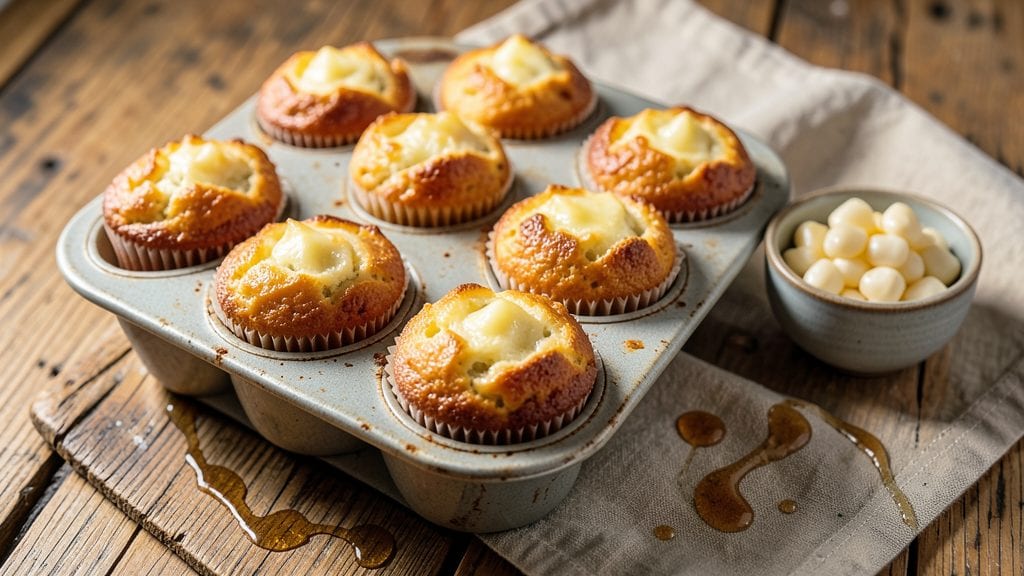
This Filipino cheese muffin recipe transforms simple ingredients into steamed clouds of cheesy perfection—a breakfast staple that’s light, fluffy, and bursting with Edam cheese flavor. The secret lies in a precise balance of flour, baking powder, and melted butter, steamed just enough to create that signature tender crumb.
I first discovered this recipe during a trip to Manila, where it’s a beloved merienda (afternoon snack) that’s equally perfect for breakfast.
The beauty of these muffins is their simplicity: no fancy equipment, just a steamer basket and basic pantry staples. Traditional versions use Edam cheese for its mild, slightly tangy profile, but local cheeses like queso de bola or even mild cheddar work beautifully.
The texture is what makes them special—light as air yet sturdy enough to hold a bite, with a subtle sweetness from the sugar that balances the savory cheese.
What you’ll end up with is a batch of golden, steamed-to-perfection muffins that dissolve slightly on the tongue, leaving behind a rich, cheesy finish. They’re best enjoyed warm, straight from the steamer, but they also reheat beautifully in the oven.
This recipe serves as a comforting reminder of Filipino home cooking—simple, flavorful, and impossible to resist.
Perfect for breakfast, merienda, or even as a side for lunch, these muffins are versatile enough to adapt to your pantry. Whether you’re making them for a family gathering or a quiet morning treat, they’re guaranteed to become a staple. Let’s get baking!
Ingredients for cheese muffin filipino
Twelve simple ingredients—flour, butter, cheese, and a touch of magic—transform into steamed Filipino cheese muffin perfection.
| Ingredient | Amount | Notes |
|---|---|---|
| All-Purpose Flour 🌾 | 2 cups | Sifted for light texture |
| Granulated Sugar 🍚 | ½ cup | White or light brown |
| Baking Powder 🧂 | 2 tbsp | Double-acting preferred |
| Salt 🧂 | ½ tsp | Fine sea salt |
| Unsalted Butter 🧈 | ½ cup | Cold, cubed for melting |
| Milk 🥛 | ¾ cup | Whole milk preferred |
| Large Eggs 🥚 | 2 whole | Room temperature |
| Edam Cheese 🧀 | 1 ½ cups | Shredded, mild variety |
| Vanilla Extract 🍯 | 1 tsp | Pure vanilla preferred |
| Water 💧 | 1 ½ cups | For steaming |
The Edam cheese is non-negotiable for that authentic Filipino flavor—look for blocks at specialty stores or Filipino markets for the real deal. If you can’t find it, mild cheddar or queso de bola work in a pinch, but the texture won’t be quite the same. For the butter, use unsalted (trust me, the salt is already accounted for) and let it cool slightly after melting—too hot and the muffins spread like pancakes. The baking powder? Diamond Crystal brand is my go-to because it’s double-acting, but any brand works. Sift the flour and baking powder together—no lumps, no excuses.
No Edam? Swiss cheese or Gouda can mimic the mild tang, but reduce to 1 cup to avoid overpowering. Running low on vanilla? Almond extract at half the amount adds depth without overcomplicating. The milk can be swapped for evaporated milk (richer flavor) or even coconut milk (for a tropical twist). Pro tip: mix the dry ingredients first, then fold in the wet—this keeps the batter light. And if you’re short on time, microwave the butter in 20-second bursts to melt it gently without overheating.
These muffins are best served warm, straight from the steamer—golden domes of cheesy bliss. Store leftovers in an airtight container for 2-3 days, but reheat them in a steamer for 5 minutes (or microwave for 20 seconds) to restore that melt-in-your-mouth magic. Freeze extras by wrapping them individually in plastic wrap—they keep for 2 months and reheat like a dream. For extra crispiness, brush the tops with a little melted butter before steaming.
Why You'll Love This Recipe
- No Mixer Needed: I swear by this—just a bowl, a fork, and 10 minutes of stirring. The butter gets cut into the flour until it’s crumbly, then you fold in the cheese, and boom. No electric gadgets, no fuss.
- Buttery-Cheesy Magic: That moment when you bite into one—crispy outside, soft inside, with melted cheese pulling apart just enough? It’s like a hug in muffin form. The sugar caramelizes into a golden crust, but don’t worry, it’s not sweet; it’s balanced.
- Breakfast or Snack: Honestly, I make these for both. Toast a few for breakfast with coffee, or pack them in a lunchbox for later. They’re sturdy enough to handle travel, and the flavor stays rich even cold. (Yes, even on a Tuesday night.)
- Pantry Staples Only: Between us, this recipe uses stuff you already have—flour, sugar, butter, a pinch of salt. No specialty ingredients, no last-minute grocery runs. I’ve made these with cheddar, edamame, and even leftover ham, and they’re always a win.
Step-by-step instructions for steamed cheese muffins
Transform simple ingredients into pillowy, steamed Filipino cheese muffins with perfect texture every time.
Prepare the Steaming Setup
Fill a large pot with the 1.5 cups water and bring it to a gentle simmer over medium heat. Place a steamer basket or heatproof colander inside the pot, ensuring it doesn't touch the water. The water should be hot enough to create steam but not boiling vigorously—this prevents soggy muffins. I like to use a metal steamer basket for even heat distribution, but a colander lined with cheesecloth works too.
While the water heats, prepare your muffin cups. Lightly grease a muffin tin with a bit of the 0.5 cup unsalted butter (melted) or line it with paper liners. The butter prevents sticking and adds subtle richness to the muffins. If using liners, make sure they fit snugly to maintain shape during steaming.
Mix the Wet Ingredients
In a medium bowl, whisk together the 2 whole large eggs until they're frothy. Add the 0.75 cup milk and 1 tsp vanilla extract, whisking until fully combined. The mixture should be smooth with no visible streaks of egg whites. I always use room-temperature eggs for better emulsification—they blend more easily and create a lighter batter.
In a separate small saucepan, melt the 0.5 cup unsalted butter over low heat until completely liquid. Let it cool slightly but keep it warm enough to maintain its fluidity. This melted butter will be incorporated into the dry ingredients later, creating a tender crumb.
Combine Dry Ingredients and Create the Batter
In a large mixing bowl, sift together the 2 cups all-purpose flour, 0.5 cup granulated sugar, 2 tbsp baking powder, and 0.5 tsp salt. This sifting step is crucial—it aerates the flour and prevents dense muffins. Gently fold in the 1.5 cups shredded Edam cheese using a rubber spatula until evenly distributed. The cheese should be evenly dispersed but still visible in the mixture.
Make a well in the center of the dry ingredients and pour in the wet egg mixture. Using the spatula, gently fold everything together until just combined—you should still see some flour streaks. Avoid overmixing, which develops gluten and makes the muffins tough. The batter should be thick but pourable, similar to pancake batter.
Fill Muffin Cups and Steam
Divide the batter evenly among the prepared muffin cups, filling each about ¾ full. The batter will rise significantly during steaming, so don't overfill. Tap the muffin tin gently on the counter to release any air bubbles trapped in the batter. Place the filled muffin tin in the steamer basket, ensuring the bottom of the tin doesn't touch the water.
Cover the pot with a tight-fitting lid and steam the muffins over medium-low heat for 15-18 minutes. You'll know they're done when the tops spring back when lightly touched and a toothpick inserted comes out clean. The muffins should be golden around the edges but still tender in the center—steaming creates a delicate, cloud-like texture that baking can't replicate.
Rest and Serve Warm
Remove the muffin tin from the steamer and let the muffins cool in the tin for 2-3 minutes before transferring them to a wire rack. This brief resting period allows the muffins to set slightly and prevents them from falling apart. Serve them warm for the best texture—they should be light, airy, and slightly chewy with pockets of melted Edam cheese throughout.
Here's the thing—these muffins are best enjoyed immediately, but you can reheat them briefly in the steamer for 1-2 minutes if needed. The steaming method preserves their delicate structure, so they won't turn gummy or dense like baked muffins might. Store any leftovers in an airtight container at room temperature for up to 2 days, but honestly, they disappear quickly!
Pro Tips For Making Cheese Muffin Filipino
- Melt Butter Slowly: If you dump cold butter into the dry ingredients, you’ll end up with a dense, greasy muffin. Instead, melt the butter first—just until it’s liquid but not browned—then let it cool slightly before mixing. This keeps the texture light and fluffy, not heavy.
- Sift That Flour: I learned this the hard way—lumps in your batter mean uneven baking and tough muffins. Sift the all-purpose flour with the baking powder and salt together before adding wet ingredients. It’s a little extra work, but your muffins will rise properly, not sink in the middle.
- Skip Overfilling Cups: Yes, they look sad when half-empty, but overfilled muffin cups (more than ¾ full) will spill over and bake unevenly. Fill them to the top of a scoop, then tap the pan gently to settle the batter. Trust me, the result is worth the patience.
- Add Cheese Last: If you mix shredded cheese into the batter too early, it melts into a greasy paste that sinks. Toss the cheese with a tiny bit of flour first, then fold it in just before baking. This keeps it evenly distributed and gooey, not clumped.
Regional styles of these flavors
Manila-Style Classic
The most traditional version of these muffins comes from Manila, where they're a beloved merienda snack. Here, the recipe relies entirely on Edam cheese for its signature mild tang and meltability. The batter is steamed in a metal muffin tin placed directly over boiling water, creating that signature cloud-like texture.
In Manila, these are often served with hot chocolate or coffee for breakfast, or paired with turmeric tea in the afternoon.
The secret to authenticity is using whole milk and letting the muffins rest for 5 minutes after steaming—they should be tender yet sturdy enough to hold their shape when sliced. 🌟
Baguio's Highland Twist
Up in the cooler highlands of Baguio, these muffins take on a slightly denser texture to withstand the chilly mountain air. Locals often add grated sweet potato (about ½ cup) to the batter for natural sweetness and moisture.
The cheese used here is frequently queso de bola, a Filipino cheese with a firmer texture that holds up better in the thinner mountain atmosphere. The steaming time is extended to 20 minutes to ensure even cooking in the higher altitudes.
Serve these with Baguio pineapple jam for a sweet-savory contrast that locals swear by. ❄️
Visayan Sweetened Version
In the Visayan islands, these muffins are often sweetened further with ½ cup coconut sugar instead of granulated sugar, giving them a caramelized depth. The recipe also incorporates shredded young coconut (about ¼ cup) for texture and a tropical aroma.
The steaming process is slightly modified—the water is reduced to 1 cup and simmered gently to create a more intense steam, resulting in muffins with a golden crust. These are typically enjoyed with ginataang gulay (vegetable coconut curry) or as a dessert with latik (coconut caramel). 🥥
Modern Filipino-American Adaptation
For those with limited access to Edam cheese, this adaptation uses mild cheddar mixed with 1 tbsp cream cheese for extra richness. The recipe also incorporates 1 tsp cinnamon and ½ tsp nutmeg for warmth, making these muffins a hit at Filipino-American gatherings.
The steaming technique remains the same, but the muffins are often brushed with melted butter before serving. This version pairs beautifully with Filipino hot chocolate or strong brewed coffee, bridging traditional flavors with American pantry staples. ☕
Pampanga's Butter-Rich Variation
In Pampanga, known for its love of butter, these muffins are made with ½ cup extra butter (total 1 cup) for an ultra-rich texture. The recipe also calls for 1 tbsp cornstarch to prevent the muffins from becoming too dense.
The steaming process is done in individual ramekins lined with parchment paper, creating single-serving portions perfect for sharing. These are often served with Pampanga's famous lechon (roast pig) or as a side to sinigang (sour soup).
The extra butter gives them a slightly crisp exterior while keeping the interior tender and chewy. 🧈
Minimalist Market-Style
For those short on time, this version uses self-rising flour (2 cups) to eliminate the need for baking powder and salt. The recipe also swaps Edam cheese for block cheese (a common Filipino cheese) and reduces the sugar to ¼ cup.
The steaming is done in a large pot with a bamboo steamer, creating a rustic presentation. These muffins are often sold in local markets and are best enjoyed fresh with salabat (ginger tea) or tsokolate (chocolate drink). The simplicity makes them perfect for quick breakfasts or afternoon snacks. 🛍️
Nutrition facts
Frequently asked questions
Can I make these without a steamer basket?
Use a heatproof colander lined with cheesecloth or a metal muffin tin placed directly over simmering water. Just ensure the water doesn't touch the tin—keep it about 1 inch below the bottom. A bamboo steamer works beautifully too for that authentic Filipino touch. The key is maintaining steady steam without boiling.
What's the best cheese substitute if I can't find Edam?
For authenticity, try queso de bola or mild cheddar. If using cheddar, reduce to 1 cup to avoid overpowering. Swiss cheese works well too—its mild tang mimics Edam perfectly. For extra richness, mix 1 cup cheddar + 1 tbsp cream cheese. Never use pre-shredded cheese (it contains anti-caking agents that affect texture).
Why did my muffins turn out dense instead of light?
Overmixing the batter develops gluten, making muffins tough. Fold just until combined—visible flour streaks are normal! Also check your baking powder (use 2 tbsp fresh, not expired) and ensure your steamer isn't too hot (gentle simmer only). For extra lightness, let the melted butter cool slightly before mixing—hot butter can cook the flour prematurely.
Can I make these gluten-free?
Yes! Replace the all-purpose flour with a 1:1 gluten-free baking flour blend (like Bob's Red Mill) plus ½ tsp xanthan gum. Add 1 extra tbsp baking powder to compensate for reduced lift. The texture will be slightly denser but still delicious. For best results, use a gluten-free muffin tin liner to prevent sticking.
How do I store and reheat these?
Keep leftovers in an airtight container for 2-3 days at room temperature. To reheat, steam for 1-2 minutes or microwave for 10-15 seconds (cover with damp paper towel). For freezing, wrap individually in plastic—thaw overnight in the fridge. Never reheat from frozen without thawing first, or they'll turn rubbery.