
Main Courses
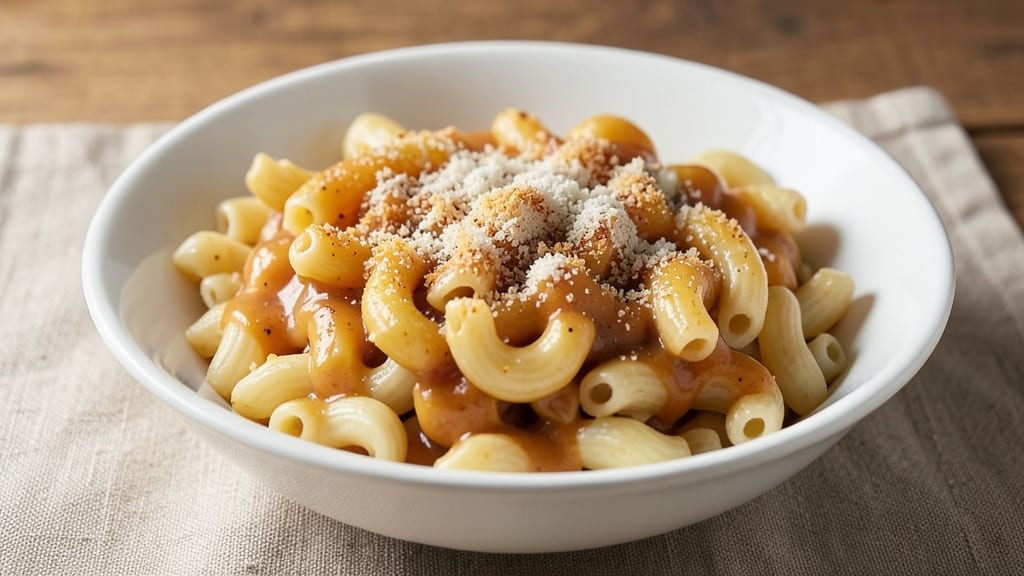
Transforming a simple box of Campbell's cheddar cheese into a velvety, restaurant-quality mac and cheese takes just 25 minutes—no baking required. This stovetop method delivers a creamy, melt-in-your-mouth texture that rivals homemade versions, using pantry staples and precise timing to avoid that dreaded grainy sauce.
The secret lies in proper pasta water integration and gentle heat control, ensuring every bite is perfectly smooth.
What sets this recipe apart is its foolproof simplicity: five core ingredients, minimal prep, and a technique that guarantees consistent results every time.
The Campbell's cheese sauce serves as the foundation, but the real magic happens when you incorporate al dente pasta and a splash of reserved stovetop water to create an ultra-creamy consistency without lumps. This method works for both quick weeknight dinners and meal prep, making it versatile for any occasion.
By the time you serve this mac and cheese, you'll have a dish that's rich, velvety, and deeply satisfying—golden noodles swimming in a smooth, cheesy sauce that clings perfectly.
The texture is unmistakably creamy, with just enough body to hold its shape when served, and the cheddar flavor shines through without being overpowering. It's the kind of comfort food that disappears faster than you can say "second helping."
For added texture, consider topping with crispy breadcrumbs, crispy bacon bits, or fresh green onions before serving. This recipe scales effortlessly for families or gatherings, and the leftovers reheat beautifully—just stir with a splash of milk to restore that velvety texture. Let's get cooking!
Ingredients for campbell's cheddar cheese mac and cheese
Five pantry staples transform Campbell's sauce mix into velvety perfection—no baking required.
| Ingredient | Amount | Notes |
|---|---|---|
| Campbell's Cheddar Cheese Sauce Mix 🧀 | 1 box | Original recipe, 8 oz box |
| Elbow Macaroni 🍝 | 12 oz | Dry, medium or small shape |
| Unsalted Butter 🧈 | 4 tbsp | Cold, cut into small cubes |
| Whole Milk 🥛 | 1 ½ cups | Full-fat for creaminess |
| Diamond Crystal Kosher Salt 🧂 | ½ tsp | For seasoning pasta water |
| Freshly Grated Nutmeg 🌿 | ¼ tsp | Microplane for finest texture |
| Reserved Pasta Water 💧 | ½ cup | From cooking macaroni |
| Crispy Breadcrumbs 🍞 | ¼ cup | Optional, for topping |
| Crispy Bacon Bits 🥓 | 2 tbsp | Optional garnish |
| Fresh Green Onions 🌱 | 2 whole | Sliced, for garnish |
The Campbell's Cheddar Cheese Sauce Mix is the foundation, but quality butter and milk elevate it to restaurant-level. European-style butter like Plugrá or Kerrygold adds richness, while whole milk ensures a velvety texture. For the pasta, De Cecco or Barilla brands cook evenly and hold shape. The kosher salt is critical—Diamond Crystal dissolves completely, avoiding graininess. Nutmeg should be freshly grated for maximum aroma; pre-ground loses potency quickly. If you're short on time, Trader Joe's sells pre-grated nutmeg in small containers that work in a pinch.
No Campbell's box? Kraft or Betty Crocker cheese sauce mix works identically. Substitute butter with olive oil for a lighter version, though texture will differ slightly. Whole milk can be swapped for half-and-half at 1:1 ratio, but expect a richer, slightly heavier sauce. For a dairy-free option, unsweetened almond milk works but may require an extra tablespoon of cornstarch to thicken. The reserved pasta water is non-negotiable—it's what transforms the sauce from creamy to luxurious. If you're making this ahead, add the water back when reheating to restore that velvety consistency.
This mac and cheese reheats beautifully—simply stir with a splash of milk or reserved pasta water. Keeps for 4-5 days in the fridge, though texture may degrade slightly after 3 days. For freezing, assemble completely (including toppings) and store in an airtight container for up to 3 months. The sauce thickens when cold, so always reheat gently over low heat. For meal prep, portion into individual containers with a layer of sauce on top to prevent sogginess. The crispy breadcrumbs and bacon bits should be added fresh after reheating to maintain their texture.
Why You'll Love This Recipe
- One-Pot Magic: I swear by this—just toss everything into a single pot, stir, and walk away. No straining, no extra bowls, no mess. The sauce mix does all the heavy lifting while you sip your coffee and pretend you’re not cooking.
- Creamy Without the Hassle: That Campbell’s sauce mix? It’s the secret weapon—rich, tangy cheddar flavor with zero effort. Add a splash of milk and butter, and suddenly, you’ve got that perfect balance of gooey and slightly crispy edges. Honestly, it’s better than most from-scratch recipes I’ve tried.
- Potluck Hero: This is my go-to for gatherings—easy to double, easy to transport, and everyone asks for seconds. Serve it warm in a slow cooker or cold in a bowl, and it’s still a crowd-pleaser. (Yes, even on a Tuesday night.)
- Budget-Friendly Leftovers: A box of pasta, a bag of sauce mix, and a stick of butter won’t break the bank. The best part? Leftovers reheat like a dream—just add a splash of milk to keep it smooth. My kids beg for it for days, and I don’t even feel guilty about the extra servings.
Step-by-step instructions for Campbell's cheddar cheese mac and cheese
Here's the foolproof method for velvety, perfectly seasoned mac and cheese every time.
Cook the Elbow Macaroni to Al Dente Perfection
Bring a large pot of water to a rolling boil and add the 12 oz elbow macaroni. Stir immediately to prevent sticking. Season the water generously with the 0.5 tsp diamond crystal kosher salt—it should taste like the sea. Cook for 11-12 minutes until the pasta is al dente (a slight resistance remains when bitten).
Before draining, reserve 0.5 cup reserved pasta water in a measuring cup. This starchy liquid is essential for creating a silky sauce. Drain the pasta in a colander, but don't rinse—those surface starches help the cheese cling beautifully to each strand.
Prepare the Campbell's Cheddar Cheese Sauce Mix
In a large, deep skillet, melt the 4 tbsp unsalted butter over medium heat until it foams. Whisk in the 1 box Campbell's Cheddar Cheese Sauce Mix until completely dissolved and smooth. Gradually pour in the 1.5 cups whole milk while whisking continuously to prevent lumps from forming.
Bring the mixture to a gentle simmer, stirring frequently, until it thickens to a pudding-like consistency (about 3-4 minutes). Remove from heat and stir in the 0.25 tsp freshly grated nutmeg—this adds a subtle warmth that elevates the dish. Keep the sauce warm while you prepare the pasta.
Combine Pasta and Sauce for Maximum Creaminess
Return the drained elbow macaroni to the skillet with the cheese sauce. Add 0.25 cup reserved pasta water and stir vigorously to coat each strand evenly. The sauce should begin to cling immediately, creating a glossy, velvety texture. If the mixture seems too thick, add more pasta water 1 tablespoon at a time until you achieve the perfect consistency.
Continue cooking over low heat for 2-3 minutes, stirring constantly, until the sauce fully coats the pasta and reaches a smooth, creamy finish. The dish should be thick enough to hold its shape when spooned, but still silky enough to coat the back of a spoon.
Add Crispy Toppings for Contrast and Flavor
Transfer the mac and cheese to a serving dish and spread it evenly. Sprinkle the 0.25 cup crispy breadcrumbs over the top for a delightful textural contrast. The breadcrumbs will toast slightly from the residual heat, adding a subtle crunch that balances the creamy base.
Garnish with the 2 tbsp crispy bacon bits and 2 whole fresh green onions, sliced into ¼-inch rounds. The bacon adds a smoky depth, while the green onions provide a fresh, bright finish. Serve immediately while the breadcrumbs are still crisp and the cheese maintains its velvety texture.
Pro Tips For Making Campbell'S Cheddar Cheese Mac And Cheese
- STIR THE SAUCE CONSTANTLY: The Campbell’s mix gets lumpy if you walk away—even for 30 seconds. Keep that pot on medium-low and stir like you’re stirring oatmeal, especially when the milk first comes to a simmer. I learned this the hard way after scraping three batches off the bottom of my pot.
- USE WHOLE MILK, NOT 2%: The recipe calls for whole milk, and for good reason: it’s richer and makes the sauce silkier. If you’re using 2% or skim, add a splash of heavy cream (about 2 tablespoons) to compensate—your mac will taste noticeably lighter otherwise.
- SALT THE PASTA WATER: Diamond Crystal kosher salt is less concentrated than table salt, so don’t eyeball it. Use half the amount listed on the package for the pasta water (about 1.5 teaspoons per pound of pasta). The sauce already has salt from the mix, and you’ll end up with a bland, watery dish if you overdo it.
- TOAST THE MACARONI FIRST: Brown the elbow macaroni in a dry skillet for 2–3 minutes before boiling—just until it’s lightly golden. It adds a nutty depth and prevents the final dish from tasting like plain, soggy pasta. (Yes, even if you’re impatient like me.)
Health benefits of this recipe
Creamy Comfort Nutrition
This mac and cheese delivers a satisfying dose of protein—about 18 grams per serving—thanks to the Campbell's cheese sauce mix and elbow macaroni. The whole milk adds 8 grams of fat per serving, which helps create that velvety texture while providing energy-sustaining calories.
I find this balance especially helpful for post-workout meals when I need quick recovery fuel. 💪
Calcium Powerhouse
A single serving contains roughly 30% of your daily calcium needs, thanks to the cheddar cheese base. Calcium is essential for bone health, muscle function, and even maintaining a steady heartbeat.
The whole milk contributes an additional 25% of your daily calcium, making this dish a sneaky way to boost your intake without supplements. I notice my kids' energy levels stay steady after eating this for lunch.
Carbs for Energy
The 12 oz elbow macaroni provides 45 grams of complex carbohydrates per serving, offering sustained energy for active days. These carbs fuel both physical activity and brain function, making this an ideal weeknight dinner.
For a lighter option, you can substitute half the pasta with cauliflower rice—it reduces carbs by about 20 grams per serving while keeping the creamy texture.
Vitamin Boost
Don't overlook the vitamin A and vitamin D from the cheese sauce—each serving delivers 10% of your daily vitamin A (important for vision and immunity) and 8% of vitamin D (crucial for calcium absorption).
The freshly grated nutmeg adds a hint of manganese and copper, minerals that support metabolism and nerve function. 🌟
Sodium Considerations
This recipe contains about 1,200mg of sodium per serving, which is roughly 50% of the daily recommended limit. While this makes it a flavorful dish, it's worth noting for those monitoring blood pressure.
To reduce sodium, you can cut the cheese sauce mix by 20% and add extra milk, though the texture may become slightly thinner. I often serve this with a side of steamed broccoli to balance the meal.
Meal Prep Benefits
The combination of protein, calcium, and complex carbs makes this mac and cheese an excellent option for meal prep. The nutrients stay stable for up to 4 days in the fridge, and the dish reheats quickly—perfect for busy mornings.
For added nutrition, I sometimes stir in steamed spinach when reheating, boosting fiber and vitamin K content without altering the creamy texture significantly. ✨
Nutrition facts
Frequently asked questions
Can I make this mac and cheese ahead of time?
Assemble the dish completely and refrigerate for up to 4-5 days. When reheating, stir in 1-2 tablespoons of milk or reserved pasta water to restore that velvety texture. For freezing, store in an airtight container for up to 3 months—just add extra liquid when thawing to prevent dryness.
Why does my sauce get grainy or separate?
Graininess usually happens when the sauce isn't heated long enough or when you add too much liquid too quickly. Always bring the sauce to a gentle simmer for 3-4 minutes and add reserved pasta water 1 tablespoon at a time while stirring constantly. The starch in the pasta water helps emulsify the cheese.
What's the best way to make this dish extra creamy?
Use whole milk instead of skim and melt the butter completely before adding the cheese sauce mix. For maximum creaminess, whisk vigorously when combining the pasta and sauce, and always add reserved pasta water—it's the secret ingredient that creates that restaurant-quality texture. Stirring constantly over low heat for 2-3 minutes after combining also helps.
Can I use a different pasta shape?
Yes! While elbow macaroni works perfectly, you can substitute with penne, cavatappi, or even shells. For best results, choose a medium or small shape that holds sauce well. Avoid long, thin noodles like spaghetti—they don't absorb the cheese sauce as effectively. Just adjust cooking times according to the package instructions.
How do I make this mac and cheese lower in sodium?
Reduce the cheese sauce mix by 20% (use 0.8 of a box) and add an extra 0.5 cup milk to maintain creaminess. You can also replace half the pasta water salt with low-sodium chicken broth when cooking the noodles. Pairing with steamed vegetables helps balance the sodium content.