
Sauces & Condiments
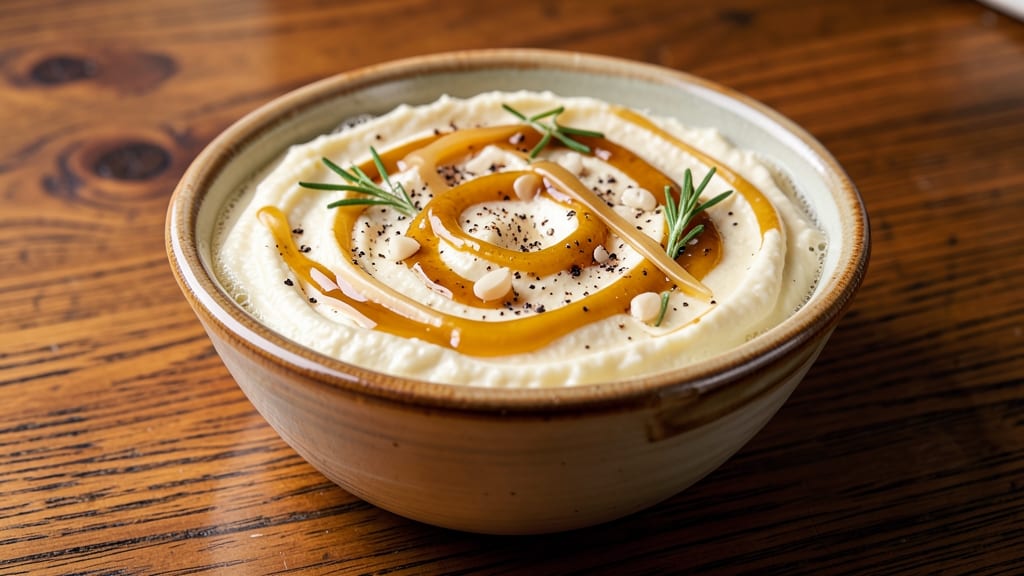
This beer cheese spread recipe transforms simple pantry ingredients into a rich, velvety dip that pairs perfectly with crackers or sandwiches. I developed it during a particularly busy week when I needed something quick yet impressive, and it’s become a staple in my kitchen ever since.
The secret lies in balancing the creaminess of cheese with the subtle bitterness of beer, creating a spread that’s both savory and slightly tangy.
The recipe combines sharp cheddar, a splash of beer, and a touch of cream to create a smooth, spreadable texture that’s ready in just 10 minutes. No fancy equipment is needed—just a saucepan and a whisk.
The beer not only adds depth but also helps emulsify the mixture, ensuring it stays creamy and cohesive. This is the kind of condiment that elevates everyday snacks into something special without requiring much effort.
What you’ll end up with is a creamy, flavorful spread that’s perfect for dipping pretzels, spreading on toast, or even using as a sandwich filling. It keeps well in the refrigerator for up to a week, making it ideal for meal prep or hosting.
The rich, cheesy flavor with a hint of beer makes it a crowd-pleaser, and the texture is smooth enough to spread effortlessly.
For extra crunch, I often pair this spread with toasted bread or crispy crackers, but it’s equally delicious on its own. Whether you’re prepping for a game day or just want a quick snack, this recipe delivers restaurant-quality flavor with minimal fuss. Let’s get started!
Ingredients for beer cheese spread
Sharp cheddar, beer, and cream—just three things that make this creamy, tangy spread unforgettable.
| Ingredient | Amount | Notes |
|---|---|---|
| Sharp Cheddar Cheese 🧀 | 1 cup | Shredded, block preferred |
| Heavy Cream 🥛 | ½ cup | Full-fat for creaminess |
| Light Beer 🍺 | ½ cup | Lager or pale ale preferred |
| Butter 🧈 | 2 tbsp | Unsalted, cut into pieces |
| Garlic Cloves 🧄 | 2 cloves | Minced for depth |
| Dijon Mustard 🍯 | 1 tbsp | For tangy balance |
| Salt 🧂 | ½ tsp | Adjust to taste |
| Black Pepper 🌶️ | ¼ tsp | Freshly ground preferred |
| Dried Thyme 🌿 | ¼ tsp | For subtle earthiness |
| Worcestershire Sauce 🍶 | 1 tsp | For umami depth |
The cheddar makes all the difference here. Block cheese shreds better than pre-shredded (no anti-caking agents), and sharp cheddar gives that perfect tang. For the beer, I always grab a pale ale or lager—something light that won’t overpower the cheese. Coors Light or Heineken work great, but any light beer in your fridge will do. The butter? Unsalted is key—you control the saltiness here. If you’re in a pinch, use salted and reduce the added salt by half. The garlic should be fresh—none of that jarred stuff, trust me on this.
No sharp cheddar? Pepper jack or Gouda works in a pinch, but the flavor won’t be quite the same. Heavy cream too expensive? Half-and-half or whole milk will work, but it’ll be slightly lighter. No beer? Substitute chicken broth with a splash of lemon juice—it’s not the same, but it’ll save you. The Dijon mustard is non-negotiable for that tangy kick, but if you’re out, a mix of yellow mustard and a pinch of vinegar gets close. For extra richness, add a tablespoon of sour cream at the end—it’s a game-changer.
This spread keeps beautifully in the fridge for about 1 week, sealed in an airtight container. If it thickens, just whisk in a splash of warm milk or beer to loosen it up. For extra crunch, I like to serve it with toasted baguette slices or pretzel chips. It also freezes well for up to 3 months, though the texture might get a little grainy after thawing. Portion it into small jars for easy snacking—perfect for game day or a quick lunch.
Why You'll Love This Recipe
- Five-Ingredient Magic: This spread comes together with just a saucepan, a whisk, and 10 minutes of hands-off time. No fancy gadgets—just sharp cheddar melting into that beer-cream sauce until it’s silky smooth. Honestly, I’ve made it while waiting for the oven to preheat.
- Garlic-Beer Bomb: That first sip of beer in the mix? It’s like a flavor upgrade—bright, malty, and just enough bite to cut through the richness. Add the roasted garlic cloves, and suddenly you’ve got depth without the fuss.
- Game for Any Gathering: Spread it on crackers for a party appetizer, slather it on burgers for game day, or dollop it into mac and cheese for a weeknight win. It’s my go-to when I need something that feels special but doesn’t require a Pinterest-perfect platter.
- No-Waste, Budget Hack: Use up that half-empty bottle of beer instead of pouring it down the drain. The leftovers? They keep for days in the fridge, perfect for last-minute snacks or a quick sandwich fix. Between us, I’ve fed a crowd of six for under $10 with this alone.
Step-by-step instructions for beer cheese spread
Here's how to create a rich, velvety spread that balances bold beer flavors with sharp cheddar.
Melt the Butter and Garlic
In a medium saucepan over medium heat, melt the 2 tablespoons butter until it foams and begins to bubble gently. Add the 2 minced garlic cloves and cook for 30 seconds until fragrant—this prevents the garlic from burning while building flavor. Here's the thing—don't walk away. Garlic burns in seconds, and you want that aromatic depth without bitterness.
Once the butter turns golden and the garlic smells sweet and toasty, immediately reduce the heat to low. This creates the perfect base for your spread without letting the garlic overcook. The butter should be just warm enough to incorporate the cheese smoothly later, but not hot enough to melt it too quickly.
Add Beer and Simmer
Pour in the ½ cup light beer and stir to combine. Let the mixture simmer gently for 3-4 minutes until the liquid reduces by about half. You'll notice the beer's alcohol content evaporates, leaving behind a deeper, maltier flavor. This step is crucial—it prevents a watery spread and concentrates the flavors.
While simmering, taste the beer reduction. It should be slightly tangy with a hint of hoppiness. If it tastes too sharp, you can add a pinch of the ½ teaspoon salt now, but I usually wait until the cheese is added to balance the flavors. Keep the heat at low to avoid boiling off all the liquid too quickly.
Incorporate the Cheese and Cream
Reduce the heat to lowest setting and gradually sprinkle in the 1 cup shredded sharp cheddar cheese, stirring constantly with a wooden spoon. The cheese should melt smoothly into the beer reduction, creating a thick, creamy base. If the mixture looks too thick, add 1 tablespoon at a time of the ½ cup heavy cream to reach your desired consistency.
Here's where it gets fun—toss in the 1 tablespoon Dijon mustard, ½ teaspoon salt, ¼ teaspoon black pepper, ¼ teaspoon dried thyme, and 1 teaspoon Worcestershire sauce. Stir well to combine all the flavors. The mustard adds a tangy kick, the Worcestershire sauce deepens the umami, and the thyme brings a subtle earthiness that ties everything together.
Cook Until Silky Smooth
Continue cooking on low heat for 3-4 minutes, stirring constantly, until the cheese spread is completely smooth and velvety. You'll see it transform from a chunky mixture into a glossy, creamy spread. If it starts to thicken too much, add another splash of the heavy cream to loosen it up.
Real talk: This is the moment that matters. The spread should coat the back of a spoon and have a luxurious texture. If you're serving it immediately, transfer it to a serving bowl. If you're planning to store it, let it cool slightly before transferring to an airtight container. The flavors will meld even more as it cools.
Pro Tips For Making Beer Cheese Spread
- Melt Cheese Slowly: Start with a low simmer—too much heat and your sharp cheddar will seize up like a stubborn door. I learned this the hard way when my first batch turned into a grainy disaster. Add the cheese in small chunks, stirring constantly, and let it melt into the cream before introducing the beer.
- Shred Cheese Fresh: Pre-shredded cheddar is coated in anti-caking agents that make it behave like sand in your spread. Grab a box of block cheddar and shred it yourself—just before you start cooking. It’s a little extra work, but the difference in texture is worth it.
- Warm the Beer First: Cold beer in hot cream = curdled mess. Pour the beer into a small saucepan and warm it to room temperature before adding it to the mixture. This keeps the spread smooth and prevents any weird separation.
- Roast the Garlic: Skip the raw garlic cloves—they’ll add a sharp bite that fights with the beer’s flavor. Wrap a few cloves in foil, roast at 400°F for 20 minutes, then mash them into the spread. It’s richer, sweeter, and blends in perfectly. (Yes, even if you’re impatient like me.)
Troubleshooting this recipe
Grainy Texture Fix
If your spread turns grainy, you’ve likely overcooked the cheese or didn’t incorporate enough liquid. The moment you add cheese, keep the heat at lowest setting and stir constantly—this prevents clumping. If it thickens too much, whisk in 1 tablespoon warm heavy cream or beer at a time until smooth.
I’ve seen this happen when people rush the process, so patience is key. 💡
Separation Problem
Separation occurs when the fat and liquid split, usually from too much heat or insufficient emulsification. To prevent this, whisk vigorously when combining the beer and cheese, and avoid boiling the mixture.
If it separates anyway, whisk in 1 tablespoon Dijon mustard or a splash of beer to re-emulsify. The mustard acts as a natural binder, just like in classic cheese sauces.
Too Thin Consistency
A runny spread often means you didn’t reduce the beer enough or added too much cream. Simmer the beer for an extra 1-2 minutes to thicken it before adding cheese. If it’s still too thin, let it cool slightly—cheese spreads thicken as they cool.
For immediate fixes, whisk in 1 tablespoon cornstarch mixed with 1 tablespoon cold water to thicken it up.
Beer Flavor Overpowering
If the beer taste dominates, you’ve likely used too much or a hoppy beer. Stick to a light lager or pale ale for balance. To mellow the flavor, add ½ teaspoon sugar or 1 teaspoon honey while simmering.
For extra depth without overpowering, swap ¼ cup of the beer for chicken broth—it adds umami without the strong beer taste.
Cheese Not Melting
If cheese clumps or doesn’t melt smoothly, it’s either too cold or the heat isn’t low enough. Reduce heat to lowest setting and sprinkle cheese in small amounts, stirring constantly.
For stubborn clumps, whisk in 1 tablespoon warm cream or a splash of beer to break them up. Pre-shredding the cheese also helps—it melts faster than blocks.
Storing Issues
If your spread thickens in the fridge, it’s normal—cheese spreads do this. To fix, whisk in 1 tablespoon warm beer or milk until smooth. For storage, use an airtight container and press plastic wrap directly on the surface to prevent a skin from forming.
Freezing? Portion into small jars and thaw in the fridge overnight for best texture. 🧊
Nutrition facts
Frequently asked questions
Can I use any type of beer in this recipe?
Light lagers or pale ales work best—they add subtle maltiness without overpowering the cheese. Avoid heavy stouts or IPAs, as their strong flavors can dominate. For a milder option, swap beer for chicken broth with a splash of lemon juice if needed.
How long will this spread keep in the fridge?
This creamy spread stays fresh for up to 1 week in an airtight container. If it thickens, whisk in 1 tablespoon warm milk or beer to restore smoothness. For longer storage, freeze in portions for up to 3 months—thaw overnight in the fridge.
What's the best way to serve this spread?
Try it with toasted baguette slices, pretzel chips, or as a sandwich filling. For extra flair, drizzle with hot honey or sprinkle with smoked paprika. It's also perfect for game day with veggie sticks or crackers.
Why did my spread turn grainy?
This usually happens from too much heat or not enough liquid. Keep heat at lowest setting when adding cheese, and whisk constantly. If it thickens, add 1 tablespoon warm cream or beer to smooth it out. Patience prevents clumping!
Can I make this dairy-free?
For a dairy-free version, replace cheese with cashew cream (soaked cashews blended with water) and use coconut cream instead of heavy cream. The beer still adds great depth, but the texture will be slightly lighter.