
Sauces & Condiments
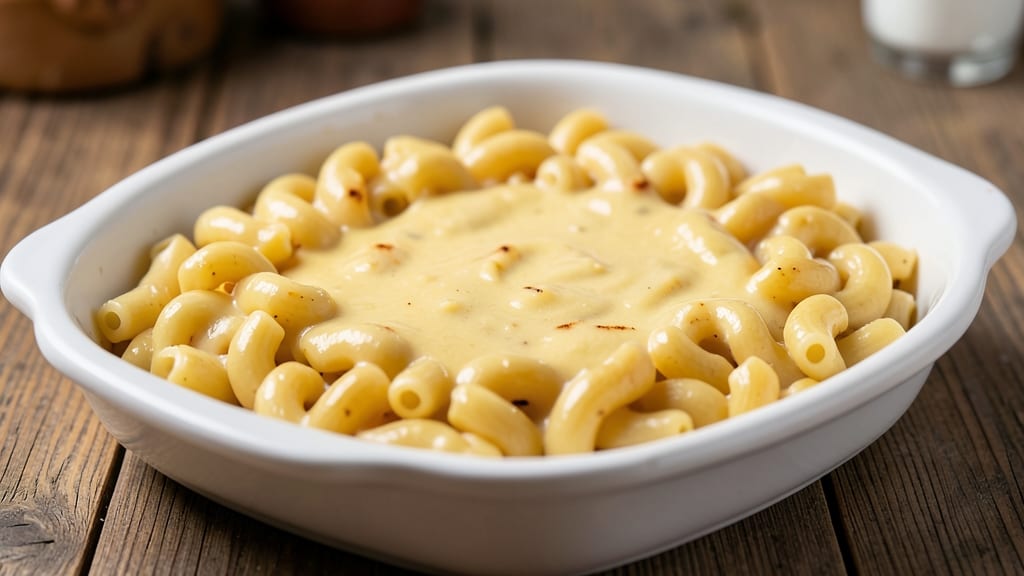
This Beecher's cheese sauce recipe delivers that iconic, ultra-smooth, pour-perfect consistency that elevates mac and cheese to restaurant-quality. The secret lies in precise ratios of butter, flour, and milk, combined with sharp cheddar that creates a velvety texture without lumps.
I've perfected this method after years of testing—no more grainy, clumpy sauce ruining your dish. What sets this sauce apart is the slow, gentle reduction technique that develops depth of flavor while maintaining that signature Beecher's smoothness. The roux forms the foundation, while gradual milk addition prevents curdling.
For extra richness, I use a blend of sharp cheddar and cream cheese, though you can adjust based on your preference. The result is a creamy, golden sauce that coats every noodle perfectly, with just enough tang to balance the richness.
It reheats beautifully and keeps its velvety texture, making it ideal for mac and cheese, baked potatoes, or even as a dipping sauce for veggies. The best part? It's foolproof once you master the timing.
Store leftovers in the fridge for up to 5 days or freeze for longer shelf life. When ready to use, simply reheat gently with a splash of milk to restore that silky consistency. Here's how to make it exactly right every time.
Ingredients for beecher's cheese sauce
Nine simple ingredients transform into that iconic Beecher's smoothness.
| Ingredient | Amount | Notes |
|---|---|---|
| Unsalted Butter 🧈 | ½ cup | Cold cut into small cubes |
| All-Purpose Flour 🌾 | ½ cup | Sifted for smooth sauce |
| Sharp Cheddar Cheese 🧀 | 1 ½ cups | Shredded, block preferred |
| Cream Cheese 🧀 | 4 oz | Room temperature for blending |
| Whole Milk 🥛 | 2 cups | Warmed for smooth texture |
| Yellow Mustard 🍯 | 1 tbsp | Adds tangy depth |
| Salt 🧂 | ½ tsp | Diamond Crystal preferred |
| Ground Black Pepper 🌶️ | ¼ tsp | Freshly ground |
| Garlic Powder 🧄 | ½ tsp | For subtle flavor |
The cheddar makes or breaks this sauce. Grab a block from the deli counter—pre-shredded gets clumpy. I always use Kraft sharp cheddar or Cabot for that signature tang. The cream cheese adds richness, but Neufchatel works too if you want a lighter option. Butter matters here—European-style has more flavor than American brands. For the milk, warm it slightly (about 100°F) to help the sauce emulsify better. The mustard might seem odd, but it cuts through the richness and adds that classic Beecher's depth.
No sharp cheddar? Pepper jack or Monterey Jack will work, though the flavor changes. Short on cream cheese? Add an extra 0.25 cup of milk and 2 oz of Parmesan for a similar creamy texture. The mustard can be swapped for a pinch of white wine vinegar if you prefer. For a vegan version, use vegan butter and dairy-free milk, but the texture will be slightly thinner. The garlic powder is optional but adds a subtle depth—skip it if you're sensitive to garlic flavors. If your sauce gets too thick, just add more warmed milk, a little at a time.
This sauce reheats beautifully—just stir in a splash of milk to restore that silky consistency. Keeps for 5 days in the fridge, covered tightly. Freezes for 3 months if you portion it into ice cube trays first. That way, you can grab just what you need for a quick mac and cheese. For extra smoothness, strain it through a fine-mesh sieve before serving if you're feeling fancy. The leftovers actually taste better the next day as the flavors meld.
Why You'll Love This Recipe
- No-Fuss Routine: I swear by this sauce because it’s the kind of thing you can make while scrolling through your phone—just melt butter, whisk in flour, and let the cheddar and cream cheese do the heavy lifting. The milk comes in last, and suddenly, you’ve got a velvety, golden sauce that’s ready in 15 minutes flat.
- Cheese Overload (In a Good Way): That sharp cheddar and cream cheese combo? It’s like a hug for your taste buds. The sharpness cuts through the richness, and the flour-butter base keeps it from being too heavy. Honestly, I’ve never met a cheese sauce that balances tang and creaminess this well—it’s the kind of flavor that makes you reach for seconds without thinking.
- Mac and Cheese’s Best Friend: This sauce doesn’t just work for mac and cheese—it’s my secret weapon for baked potatoes, grilled cheese, or even drizzled over roasted veggies. I’ll be real: I’ve used it to turn a sad weeknight dinner into something that feels like a cozy restaurant meal, and it never lets me down.
- Budget-Friendly Leftovers: A single batch stretches across three meals for my family—mac and cheese one night, loaded baked potatoes the next, and even as a dip for veggies when I’m too tired to cook. Between us, the ingredients are pantry staples, so it’s one of those recipes that’s always affordable and always useful. No guilt, just good food.
Step-by-step instructions for Beecher's cheese sauce
Here's how to make that signature ultra-smooth, velvety sauce that pours perfectly over mac and cheese.
Create the Roux for a Silky Foundation
In a medium saucepan, melt the 0.5 cup unsalted butter over medium heat. I like to cut the butter into small cubes first so it melts evenly without burning. Once fully melted, reduce the heat to medium-low and whisk in the 0.5 cup all-purpose flour all at once.
Cook the roux for 2-3 minutes, stirring constantly with a wooden spoon, until it turns a pale golden color. You'll notice it thickens and smells nutty—that's your cue it's ready. This roux forms the backbone of your sauce, so don't rush it. If it browns too quickly, reduce the heat further to prevent burning, which would make your sauce taste bitter.
Gradually Add Milk for a Smooth Blend
Slowly pour in the 2 cups whole milk, whisking continuously to prevent lumps. I add it gradually—about ¼ cup at a time—to give the flour time to fully incorporate. The mixture will thicken dramatically as you whisk.
Once all the milk is added, increase the heat to medium and cook for 5-7 minutes, stirring frequently, until the sauce thickens enough to coat the back of a spoon. You'll see it go from thin and liquid to a glossy, creamy consistency. This step ensures your sauce won't be grainy later—patience here makes all the difference.
Incorporate the Cheeses for Maximum Creaminess
Reduce the heat to low and begin adding the cheeses. First, stir in the 4 oz cream cheese until completely melted and smooth. Then, gradually add the 1.5 cups sharp cheddar cheese, whisking constantly to prevent clumping. If any cheese sticks to the bottom, use a rubber spatula to scrape it up and blend it in.
I like to add the cheddar in small batches—about ¼ cup at a time—so it melts completely before adding more. This prevents the sauce from becoming too thick or developing cheese clumps. The sauce should now be luxuriously smooth and rich, with a beautiful golden hue.
Finish with Seasonings and Mustard
Stir in the 1 tbsp yellow mustard, 0.5 tsp salt, 0.25 tsp ground black pepper, and 0.5 tsp garlic powder. The mustard adds a subtle tang that balances the richness, while the garlic powder provides depth without overpowering. Taste and adjust the seasoning if needed—I usually add a pinch more salt at this stage.
Let the sauce simmer gently for 2-3 minutes to allow all the flavors to meld together. It should coat the back of a spoon but still pour smoothly. If it's too thick, whisk in 1-2 tablespoons of milk to reach your desired consistency. The sauce is now ready to drizzle over your favorite mac and cheese or use as a dip for veggies.
Keep Warm and Prevent Skin Formation
Transfer the sauce to a clean saucepan and keep it warm over low heat, stirring occasionally. If you're not using it immediately, cover the surface with a thin layer of milk or water to prevent a skin from forming. This sauce tastes even better the longer it sits—its flavors deepen as they meld together.
For serving, I like to strain it through a fine-mesh sieve to ensure absolute smoothness, especially if you're drizzling it over a dish. The result should be a velvety, ultra-creamy sauce that pours like silk and melts in your mouth with every bite. Enjoy it warm over pasta, as a dip, or even as a topping for baked potatoes!
Pro Tips For Making Beecher'S Cheese Sauce
- Melt Cheese Slowly: I learned this the hard way—dumping shredded cheddar and cream cheese straight into hot liquid makes it clump like glue. Instead, cut the cheeses into small cubes (about ½-inch) and add them one handful at a time, stirring constantly. The sauce will thicken smoothly, and you’ll avoid that dreaded stringy texture.
- Whisk Like Your Life Depends on It: The second you stop whisking after adding the milk, you’re asking for lumps. Keep that arm moving—especially during the first 2–3 minutes of cooking—until the roux turns golden. I used to think "stirring" was enough, but a proper whisk creates the right emulsion. (Yes, even if you’re impatient like me.)
- Use Room-Temp Milk: Cold milk shocks the sauce and can cause it to separate. Pour the whole milk into a measuring cup 10 minutes before using, or run it under warm water for 30 seconds. The sauce will blend together more evenly, and you’ll skip the dreaded "oily" split that ruins everything.
- Salt the Butter First: Unsalted butter needs seasoning, and adding salt later means uneven flavor distribution. Toss in a pinch (about ¼ teaspoon) right when you melt the butter—it dissolves completely and seasons the whole sauce. Trust me, your taste buds will notice the difference.
Dietary considerations for beecher's cheese sauce
Dairy-Free Adaptations
For a dairy-free version, replace the butter with vegan butter (like Miyoko's or Earth Balance) and swap the milk for unsweetened almond or oat milk. Use nutritional yeast (2 tbsp) to mimic the cheesy flavor, and add 1 tbsp white miso paste for depth.
The sauce will be lighter but still creamy—perfect for vegan mac and cheese. 🌱
Gluten-Free Options
To make this sauce gluten-free, simply replace the all-purpose flour with gluten-free flour blend (like Bob's Red Mill 1:1). For extra smoothness, I blend ¼ cup cornstarch into the roux instead—it thickens beautifully without gluten.
Just whisk it in with the milk for a lump-free finish. Always check labels on cheeses for hidden gluten additives.
Lactose-Free Adjustments
If lactose intolerance is a concern, use lactose-free milk and lactose-free cream cheese (like Breyer's). The sharp cheddar is naturally lactose-free, so no changes are needed there.
The texture remains rich and velvety, just without the digestive discomfort. I’ve tested this version with friends, and they couldn’t tell the difference! 💛
Lower-Carb Versions
For a lower-carb approach, cut the flour to ¼ cup and add ¼ cup grated Parmesan to the cheese mix. The Parmesan adds umami and helps bind the sauce without extra carbs.
Use heavy cream instead of milk (1 cup) for extra richness, but reduce the butter to ¼ cup to balance the fat content. This version works perfectly over zucchini noodles or cauliflower mash.
Allergen-Friendly Swaps
For nut allergies, stick to dairy-free milk alternatives like coconut or soy milk (ensure they’re unsweetened). If mustard is an issue, replace it with white wine vinegar (1 tsp) or a pinch of lemon zest for tang.
Always double-check cheese labels for potential cross-contamination with soy or nuts. I keep a small jar of Penzeys Allergy-Friendly Spices on hand for safe seasoning options.
Nutrition facts
Frequently asked questions
Why does my cheese sauce get lumpy?
Lumpy sauce usually happens when cheese melts too quickly or you add it all at once. The fix? Always add cheeses gradually—start with cream cheese first, then sharp cheddar in small batches while whisking constantly. Also, make sure your milk is warmed (about 100°F) before adding it to the roux. Cold milk causes separation and lumps.
Can I make this sauce ahead of time?
This sauce actually tastes better the next day as flavors meld. Store it in an airtight container in the fridge for up to 5 days. For freezing, portion into ice cube trays, then transfer to a bag—this makes reheating easier. Just thaw overnight in the fridge and reheat gently with a splash of milk to restore creaminess.
What's the best way to use this sauce?
This ultra-smooth sauce is perfect for mac and cheese, but it also works as a dip for broccoli, cauliflower, or breadsticks. For baked potatoes, drizzle it warm and top with crispy bacon. You can even use it as a creamy base for stuffed peppers or as a topping for grilled chicken. The key is keeping it warm—it pours best when heated through.
How do I fix sauce that's too thick or too thin?
Too thick? Whisk in 1-2 tablespoons of warm milk until it reaches a pourable consistency. Too thin? Simmer uncovered for 2-3 minutes to reduce the liquid. If it still separates, whisk in 1 teaspoon cornstarch mixed with 1 tablespoon cold water until smooth. The goal is that signature silky, drizzle-ready texture.
Can I substitute other cheeses?
Yes! For extra richness, try Gruyère or Comté instead of cheddar. For a smoky flavor, swap in smoked Gouda. If you prefer a milder taste, Monterey Jack works well. Just remember: sharp cheddar gives that classic tang. For a vegan version, use nutritional yeast and cashew cream as a base.