
Sauces & Condiments
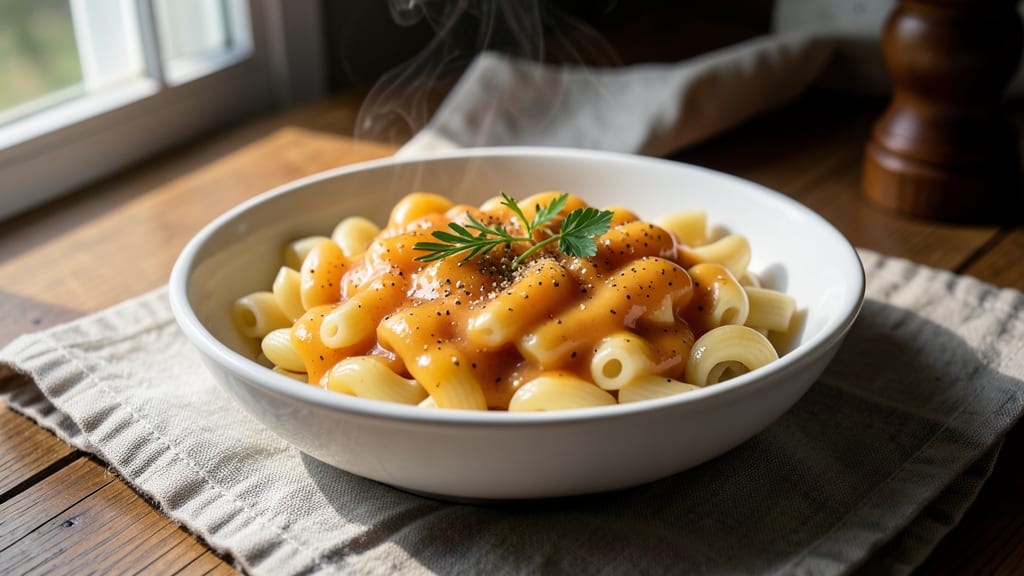
This basic cheese sauce recipe for mac and cheese delivers that ultra-smooth, velvety melt you crave every time—no lumps, no separation, just pure cheesy perfection.
The secret lies in a proper roux (butter and flour cooked together) that creates a stable base for the cheese, ensuring a sauce that clings beautifully to pasta and stays creamy even when reheated.
With just five simple ingredients—quality butter, all-purpose flour, whole milk, and sharp cheddar—you’ll create a sauce that’s rich, tangy, and foolproof. The method is straightforward: cook the roux until golden, whisk in warm milk to prevent lumps, and then gradually add cheese until you achieve that signature silky-smooth consistency.
This is the foundation of restaurant-quality mac and cheese at home.
What makes this recipe truly special is its versatility. Use it as the base for classic mac and cheese, or elevate it with optional additions like Dijon mustard for depth, cream cheese for extra richness, or even a touch of garlic powder for a savory kick.
The sauce scales effortlessly—double or halve the recipe to match your pasta quantity without sacrificing texture.
Once made, the sauce keeps beautifully in the fridge for up to 5 days, making it perfect for meal prep. Simply reheat gently on the stove, stirring constantly, and you’ll have that same creamy, dreamy consistency ready to coat your pasta.
Let’s get started—your cheesy dreams are about to come true.
Ingredients for basic cheese sauce recipe for mac and cheese
Five staples transform into that ultra-smooth, velvety cheese sauce you crave.
| Ingredient | Amount | Notes |
|---|---|---|
| Unsalted Butter 🧈 | ½ cup | Cold, cubed for roux |
| All-Purpose Flour 🌾 | ½ cup | Sifted for smooth sauce |
| Whole Milk 🥛 | 2 cups | Warm, not boiling |
| Sharp Cheddar Cheese 🧀 | 2 cups | Shredded, block preferred |
| Salt 🧂 | ½ tsp | Kosher or sea salt |
| Black Pepper 🌶️ | ¼ tsp | Freshly ground preferred |
| Dijon Mustard (optional) 🍯 | 1 tsp | For tangy depth |
| Cream Cheese (optional) 🧈 | 4 oz | For extra richness |
Butter quality makes all the difference here—Land O'Lakes or Plugrá melt beautifully. Grab the unsalted kind, since we're controlling the salt ourselves. The flour? King Arthur or Bob's Red Mill all-purpose works perfectly. For the cheese, sharp cheddar from a block (like Cabot) gives the best flavor—pre-shredded gets clumpy. Milk should be warm but not hot when you add it, or the sauce will curdle. If you're making this ahead, whole milk keeps better than 2% in the fridge.
No sharp cheddar? Monterey Jack or pepper jack works in a pinch, though the tang will be milder. Running out of milk? Half-and-half or light cream adds richness, but stick to whole milk for classic flavor. The optional Dijon mustard? Maille or Whole Foods brand are solid choices—just a teaspoon adds depth without overpowering. Cream cheese is a game-changer for extra creaminess, but Philadelphia brand is the only one that melts smoothly. If you forget the salt, a pinch of garlic powder can add savory balance instead.
This sauce reheats like a dream—just stir over low heat until smooth. Keeps in the fridge for 5 days in an airtight container, or freeze for 3 months in ice cube trays for single servings. For meal prep, double the recipe and portion into containers—add pasta fresh to prevent sogginess. The roux base keeps for 2 days in the fridge if you want to make it ahead of time, then just add milk and cheese when ready.
Why You'll Love This Recipe
- Five-Ingredient Magic: I swear by this—just butter, flour, milk, cheese, and salt. That’s it. No fancy gadgets, no hidden pantry staples, just the kind of simplicity that makes me feel like I actually cooked something.
- Sharp Cheese Wins: The secret’s in the sharp cheddar—it melts into something rich and tangy, not bland. I’ll take that over powdered mixes any day, especially when the first bite makes my kids pause mid-chew.
- Leftovers That Don’t Suck: This sauce reheats like a dream—no graininess, no sad texture. I make a double batch on Sundays, and by Wednesday, I’m still digging into the fridge stash. (Yes, even when I know I should eat something green.)
- Budget-Buster Combo: Butter and flour are cheap, milk’s a staple, and a block of cheddar lasts forever. For under $10, I feed my family a meal that feels special—no takeout menus needed. That’s how you stretch a grocery budget.
Step-by-step instructions for ultra-smooth mac and cheese sauce
Here's how to make the creamiest, most velvety cheese sauce that melts perfectly every time.
Make a Smooth Roux for Rich Flavor
Melt the 0.5 cup unsalted butter in a medium saucepan over medium-low heat. Once fully melted, reduce heat to low and gradually whisk in the 0.5 cup all-purpose flour—this is your roux. Cook for 2-3 minutes, stirring constantly, until it turns a pale golden color. That's your signal it's ready for the milk.
Don't rush this step. A proper roux removes any raw flour taste and creates the velvety texture we want. If it starts to darken, you've gone too far—just start over with fresh butter and flour. The roux should smell nutty and buttery, not burnt.
Gradually Add Warm Milk for a Silky Sauce
Slowly pour in the 2 cups whole milk while whisking vigorously to prevent lumps. Increase heat to medium and continue whisking for 3-5 minutes until the mixture thickens enough to coat the back of a spoon. You're looking for a smooth, glossy consistency—not gluey, but thick enough to cling to the pasta.
Here's the thing—adding the milk too quickly creates lumps. If you see any, strain the sauce through a fine-mesh sieve for that restaurant-quality finish. The sauce should bubble gently but not boil vigorously. If it gets too thick, thin it with a splash of milk.
Melt the Cheese for Maximum Creaminess
Reduce heat to low and begin adding the 2 cups sharp cheddar cheese in batches. Stir constantly until completely melted and smooth. If using the 1 tsp Dijon mustard, add it now along with the 0.5 tsp salt and 0.25 tsp black pepper. For extra richness, fold in the 4 oz cream cheese (if using) until fully incorporated.
This is where the magic happens. The cheese should melt into a glossy, velvety sauce with no graininess. If you see any unmelted cheese, keep stirring over very low heat until it disappears. The sauce should coat a spoon like liquid silk, not leave a powdery residue.
Finish with Perfect Texture
Taste and adjust seasoning if needed. For a tangier flavor, add a pinch more salt or a dash of Dijon mustard. If the sauce is too thick, whisk in 1-2 tablespoons of milk until it reaches your desired consistency—it should be thick enough to coat the pasta but still pour smoothly.
Keep the sauce warm over low heat or transfer to a heatproof bowl set over a pot of simmering water. This maintains its creamy texture while you cook your pasta. The sauce should stay perfectly smooth when stirred, with no separation or lumps.
Pro Tips For Making Basic Cheese Sauce Recipe For Mac And Cheese
- Melt Cheese Slowly: Dump all that shredded cheddar in at once, and you’ll end up with clumps instead of silkiness. Instead, add it in batches—start with half while the roux still simmers, then stir in the rest as the sauce thickens. The heat should melt it evenly without turning it into glue.
- Use Whole Milk Warm: Cold milk makes the sauce fight you—it’ll seize up or take forever to thicken. Heat the milk until it’s just warm to the touch (like bathwater) before whisking it into the butter-flour mix. Warm milk blends smoother and thickens faster, so you’re not babysitting the pot.
- Skip the Crowding: I used to mash the cheese sauce into submission with a wooden spoon, thinking it’d make it smoother. Wrong. Let it sit uncovered for 2-3 minutes after removing from heat—it’ll thicken on its own. Crowding it just makes it gummy. (Yes, even if you’re impatient like me.)
- Salt the Butter First: Unsalted butter needs seasoning, and adding salt later means you’ll either miss it or overdo it. Toss in a pinch (about ½ tsp) right when you melt the butter—it’ll dissolve completely and season the whole sauce evenly. No more guessing or bland bites.
Pro cooking tips for this recipe
Roux Perfection
Cook your roux to a pale golden color—this is the secret to a smooth sauce. Too dark (brown) means burnt flavor, while too pale (raw flour taste) means texture issues.
Use a light-colored saucepan to monitor color easily. I like to whisk constantly for 2-3 minutes at low heat—this removes all raw flour taste and creates that velvety base. 🔥
Milk Temperature Matters
Warm your whole milk to about 110°F before adding—this prevents curdling. Test by dipping a spoon in; it should feel warm but not hot to the touch. Adding cold milk too quickly causes lumps.
If you forget, just strain the sauce through a fine-mesh sieve after thickening. The sauce should bubble gently but never boil vigorously.
Cheese Melting Tricks
Add cheese gradually while stirring constantly—this prevents clumping. For extra smoothness, use block cheese (like Cabot sharp cheddar) and shred it yourself. Pre-shredded cheese contains anti-caking agents that make the sauce grainy.
If your sauce looks too thick, whisk in 1 tablespoon of milk at a time until it reaches a pourable but clingy consistency.
Optional Upgrades
For a tangier sauce, add 1 teaspoon of Dijon mustard—it brightens the flavor without overpowering. For extra richness, fold in 4 ounces of cream cheese (like Philadelphia brand) until fully melted.
Both additions elevate the sauce but aren’t necessary for the basic recipe. Start with small amounts and adjust to taste.
Reheating Like a Pro
Reheat sauce over low heat while stirring constantly—this prevents separation. If it looks dry, add 1-2 tablespoons of milk to restore creaminess. For meal prep, store in an airtight container in the fridge for up to 5 days.
Freeze in ice cube trays for single-serving portions—just thaw and stir over low heat before using. ❄️
Troubleshooting Tips
If your sauce curdles, whisk in 1 tablespoon of cold milk and return to low heat until smooth. For lumps, strain through a fine-mesh sieve. If it’s too thin, simmer uncovered for 2-3 minutes to thicken.
The key is patience—rushing leads to texture issues. Trust the process, and you’ll get that restaurant-quality result every time. 💫
Nutrition facts
Frequently asked questions
Can I use pre-shredded cheese for this sauce?
Pre-shredded cheese works in a pinch, but block cheese melts more smoothly. The anti-caking agents in pre-shredded cheese can create graininess in the sauce. If you must use it, pulse it in a food processor first to break up any clumps. For the creamiest results, always shred your own cheese from a block.
Why did my cheese sauce get grainy?
Graininess usually happens when cheese melts too quickly or when the sauce gets too hot. Always add cheese gradually over low heat while stirring constantly. If it happens, strain the sauce through a fine-mesh sieve or whisk in 1 tablespoon of cold milk to restore smoothness. Patience is key—rushing this step causes texture issues.
Can I make this sauce ahead of time?
This sauce keeps beautifully in the fridge for up to 5 days in an airtight container. For meal prep, double the recipe and store in portions. Reheat gently over low heat, stirring constantly until smooth. For longer storage, freeze in ice cube trays—just thaw and stir before using.
What can I do if my sauce is too thick?
Thin it with 1-2 tablespoons of warm milk at a time until you reach a pourable but clingy consistency. If it's too thick when reheating, simmer uncovered for 2-3 minutes to evaporate excess moisture. The ideal texture should coat the back of a spoon but still flow smoothly.
Can I substitute cream cheese for the regular cheese?
Yes, but use it in moderation. Cream cheese adds richness but can make the sauce too thick. Start with 4 ounces and adjust as needed. For a balanced flavor, mix it with regular cheddar (like 50/50). The cream cheese should melt completely—if not, keep stirring over low heat until smooth.