
Breakfast & Brunch
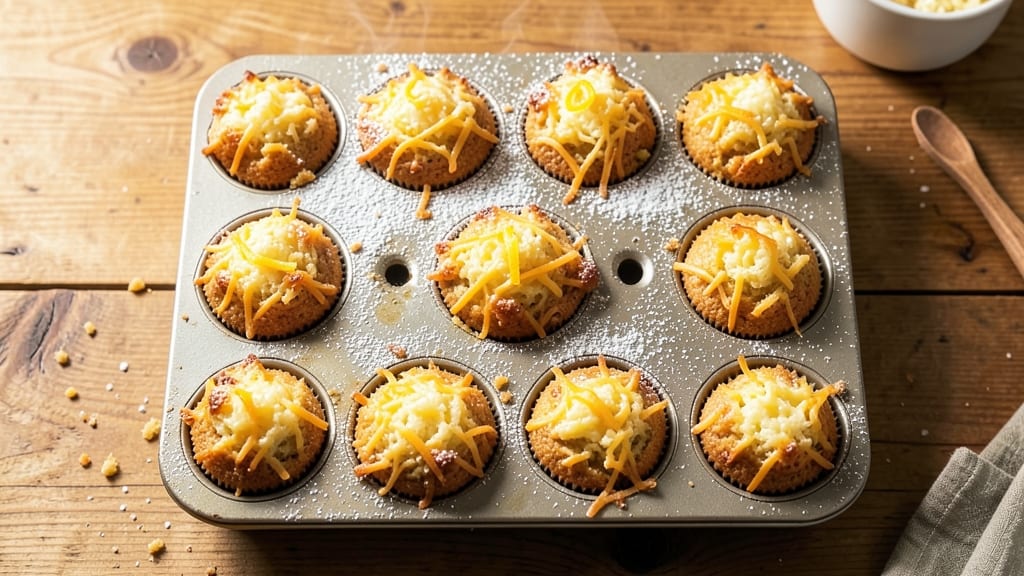
Basic cheese muffins deliver the perfect balance of fluffy texture and melty, gooey cheese—ideal for breakfast, snacks, or holiday appetizers. The secret lies in folding cheese into the batter at the last moment, ensuring pockets of stretchy, creamy goodness in every bite. This recipe builds on classic muffin techniques while incorporating a few professional shortcuts to guarantee consistent results.
What sets these muffins apart is their tender crumb and golden tops, achieved through precise mixing and baking times. You'll use simple pantry staples—all-purpose flour, baking powder, and sharp cheddar—but the technique transforms them into something restaurant-quality.
The muffins stay moist for hours, making them perfect for meal prep or serving warm from the oven.
By the time you pull them from the oven, you'll have perfectly domed muffins with crisp edges and a tender interior that practically oozes with melted cheese. The aroma alone will have everyone gathering at your table.
These muffins work equally well as a savory breakfast side, snack for kids, or elegant addition to a brunch spread.
Ready in just 25 minutes, this recipe requires minimal effort but delivers maximum flavor. The batter comes together in minutes, and the muffins bake while you prepare other breakfast elements. Whether you're feeding a family or hosting a gathering, these cheese muffins will be the star of the show.
Ingredients for basic cheese muffin
Simple pantry staples transform into golden, gooey cheese muffins with crisp edges.
| Ingredient | Amount | Notes |
|---|---|---|
| All-Purpose Flour 🌾 | 2 ½ cups | Sifted for light texture |
| Sharp Cheddar Cheese 🧀 | 2 cups | Shredded, block preferred |
| Granulated Sugar 🍚 | ¼ cup | White or brown sugar |
| Baking Powder 🧂 | 2 tsp | Aluminum-free preferred |
| Salt 🧂 | ½ tsp | Kosher or sea salt |
| Milk 🥛 | 1 cup | Whole milk for richness |
| Vegetable Oil 🫒 | ½ cup | Neutral flavor preferred |
| Large Eggs 🥚 | 2 whole | Room temperature |
| Vanilla Extract 🍯 | 1 tsp | Pure vanilla preferred |
| Butter 🧈 | ½ cup | Unsalted, melted |
| All-Purpose Flour (extra) 🌾 | ¼ cup | For dusting muffin tin |
The cheese is everything here. Sharp cheddar gives the best flavor, but Monterey Jack or Gouda work too. Grab a block and shred it yourself—pre-shredded gets clumpy and lacks that perfect melt. For the flour, King Arthur or Bob's Red Mill are my go-tos, but any all-purpose works. The baking powder matters: aluminum-free ensures no metallic aftertaste. I always check the expiration date on my baking powder—it loses potency fast, and that's when muffins turn dense instead of fluffy.
No sharp cheddar? Pepper Jack or smoked cheddar add fun twists. Whole milk is ideal, but 2% or even almond milk works in a pinch (though texture might vary slightly). Running short on vanilla? Vanilla bean paste adds little flecks of magic. For the butter, unsalted is key—salted can make the muffins taste too salty. The extra flour dusting on the muffin tin? Don't skip it. It prevents sticking and gives those perfect crisp edges. If you're baking at high altitude, add an extra 0.5 tsp baking powder to the mix.
These muffins stay fresh for 3 days at room temperature, wrapped in a clean towel to keep them soft. For longer storage, freeze them in a single layer before transferring to a bag—3 months is no problem. Reheat in a 350°F oven for 5-7 minutes to restore that gooey center. I always make a double batch because they disappear fast. The batter can be prepped ahead and refrigerated for 24 hours—just let it sit at room temp for 10 minutes before baking.
Why You'll Love This Recipe
- Here’s what sold me: every ingredient is already in my cupboard. No last-minute grocery runs, no weird substitutions. The flour and baking powder give them structure, the sugar keeps them tender, and the salt? It’s the secret that makes the cheddar sing. Budget-friendly doesn’t even begin to cover it—I’ve made 24 muffins for under $5, and they disappear faster than I can say “second helping.”
- I’ll be real: these are my go-to for busy nights. Bake a batch on Sunday, and you’ve got breakfast, snacks, or a quick lunch covered all week. They reheat like a dream (toaster or microwave, no judgment) and even taste fresh the next day. Plus, they’re the kind of thing my kids will eat without complaining—because let’s face it, cheese muffins are basically edible gold.
Step-by-step instructions for fluffy cheese muffins
Here's how to make moist, tender muffins with pockets of melty cheddar—no fancy techniques required.
Prep the Cheese and Mix Wet Ingredients
First, shred the 2 cups sharp cheddar cheese using a box grater or food processor. I like to pulse it just until it's finely shredded—this ensures even distribution in the batter. Set aside.
In a large mixing bowl, whisk together the 1 cup milk, 0.5 cup vegetable oil, 2 whole large eggs, and 1 teaspoon vanilla extract until fully combined. The mixture should look uniform, with no streaks of oil. Add the 0.5 cup melted butter and mix again. This step creates the foundation for your muffins' tender crumb.
Combine Dry Ingredients and Fold in Cheese
In a separate bowl, sift together the 2.5 cups all-purpose flour, 0.25 cup granulated sugar, 2 teaspoons baking powder, and 0.5 teaspoon salt. Sifting prevents lumps and ensures even distribution of leavening agents. Gently stir in the shredded cheese until it's evenly coated in flour.
Make a well in the center of the dry ingredients and pour in the wet mixture. Use a spatula to fold everything together just until combined—you'll still see some flour streaks, and that's okay. Overmixing develops gluten, which can make muffins tough. Stop folding when the batter comes together into a thick, shaggy consistency.
Fill Muffin Tin and Bake to Golden Perfection
Preheat your oven to 375°F. Lightly grease a 12-cup muffin tin or dust it with 0.25 cup all-purpose flour, tapping out any excess. Fill each cup about ¾ full with batter—this ensures room for the muffins to rise without overflowing.
Bake for 18-20 minutes until the tops are golden brown and a toothpick inserted in the center comes out clean. I always check at the 16-minute mark because ovens vary. The muffins should pull away from the sides of the tin easily when done. Let them cool in the pan for 5 minutes before transferring to a wire rack.
Serve Warm for Maximum Melty Cheese
For the best texture, serve the muffins warm straight from the oven. The residual heat keeps the cheese gooey and the crumb tender. If you need to store them, let them cool completely first. Wrap them in plastic wrap or store in an airtight container at room temperature for up to 2 days, or freeze for up to 3 months.
Here's the thing—these muffins are best enjoyed fresh, but if you reheat them, pop them in a 350°F oven for 5-10 minutes or microwave for 10-15 seconds to restore that melty goodness. The secret to perfect cheese muffins lies in the balance of moisture from the milk and oil, the lift from the baking powder, and the rich, sharp flavor of the cheddar. Enjoy!
Pro Tips For Making Basic Cheese Muffin
- Preheat to 375°F: DESCRIPTION: Don’t wing it—this recipe needs a hot oven. I learned this after making muffins that came out dense and undercooked; the cheese needs that higher heat to melt properly and create those little pockets of gooey goodness. Yes, even if your oven runs hot, stick to the temp—it’s non-negotiable for texture.
- Grate Cheese Fresh: DESCRIPTION: Pre-shredded cheese is coated in anti-caking agents that make muffins gummy. Grab a box of sharp cheddar, grate it yourself, and pat it dry with a paper towel—just a quick press to remove excess moisture. Your muffins will thank you with a better crumb and less sogginess.
- Don’t Overmix the Batter: DESCRIPTION: Once you add the wet ingredients, stop stirring after 10-12 strokes. Overmixing develops gluten, and you’ll end up with tough, rubbery muffins instead of tender ones. The batter will look lumpy, but that’s exactly what you want—it guarantees a light, airy texture.
- Fill Cups Halfway: DESCRIPTION: Cheese muffins expand more than you’d think. If you fill the muffin tin to the top, they’ll spill over and bake unevenly. Stop when the cups are only halfway full—trust me, they’ll rise enough to look perfect without turning into a science experiment.
Common mistakes when making great basic cheese muffin
Overmixing the Batter
This is the #1 mistake that turns fluffy muffins into dense, cake-like bricks. Once you fold the wet and dry ingredients together, stop mixing immediately when the batter just comes together—you should still see some flour streaks.
Overmixing develops gluten, which creates a tough texture. I’ve ruined many batches by continuing to stir until the batter looked "perfectly smooth." Trust the process: a slightly shaggy batter is ideal. 💫
Skipping the Cheese Folding Step
Don’t add all the cheese at once—fold it in gently at the end. If you mix it in with the dry ingredients, the cheese will clump and create uneven pockets of meltiness.
Instead, coat the cheese in a little flour first, then fold it in last. I like to use a rubber spatula to gently combine it, ensuring even distribution without overworking the batter.
Using Pre-Shredded Cheese
Pre-shredded cheese contains anti-caking agents that prevent proper melting, leading to a dry, crumbly texture. Always shred your own cheese using a box grater or food processor. For the best results, use a sharp cheddar—it melts more evenly than pre-shredded varieties.
If you’re in a pinch, pulse the cheese in a food processor until finely shredded, but avoid over-processing. 🧀
Incorrect Baking Temperature
Baking at too high a temperature (400°F or higher) causes the muffins to brown too quickly on the outside while staying raw inside. Stick to 375°F for even baking.
If your oven runs hot, reduce the temperature by 25°F and add 2-3 minutes to the baking time. I always check the muffins at 16 minutes to avoid overbaking.
Filling the Muffin Tin Too Full
Overfilling the muffin cups causes the batter to spill over and create flat, misshapen muffins. Fill each cup only ¾ full—this gives room for the muffins to rise properly. If you’re using a standard 12-cup tin, about ¼ cup of batter per cup is perfect.
Trust me, underfilling is better than overfilling when it comes to muffin shape. 🌟
Not Letting Muffins Cool
Transferring muffins to a wire rack too soon can cause them to collapse. Let them cool in the pan for 5 minutes first—this helps set their structure. If you’re in a hurry, I get it, but rushing this step often leads to flat, sad muffins.
The 5-minute wait ensures they hold their shape and retain that perfect domed top.
Nutrition facts
Frequently asked questions
Can I make these cheese muffins without eggs?
Yes! Replace the 2 eggs with 2 tablespoons ground flaxseed + 6 tablespoons water (let sit for 5 minutes to thicken) or ½ cup unsweetened applesauce. The muffins will still be tender, though the texture may be slightly denser. For best results, add 1 teaspoon extra baking powder to compensate for the lack of egg structure.
Why did my cheese muffins turn out dense instead of fluffy?
Overmixing is the #1 culprit—stop folding the batter when just combined (flour streaks are okay!). Another common issue is old baking powder or using pre-shredded cheese (anti-caking agents prevent proper texture). Always sift your dry ingredients and shred cheese fresh. For extra fluffiness, whisk the wet ingredients until fully combined but not frothy.
Can I add other cheeses to this recipe?
Try Monterey Jack, Gouda, or pepper jack for milder flavors, or blue cheese for a bold twist. For best results, use 1 cup sharp cheddar + 1 cup alternative cheese (like ½ cup cream cheese for extra richness). Avoid soft cheeses like brie—they can make the muffins too wet. Always shred by hand for optimal melting.
How do I store cheese muffins to keep them fresh?
Store at room temperature in an airtight container for 2 days, wrapped in a clean kitchen towel to maintain moisture. For longer storage, freeze muffins in a single layer before transferring to a bag—they'll keep for 3 months. To reheat, warm in a 350°F oven for 5-7 minutes or microwave for 10-15 seconds until the cheese is gooey again.
Can I make these muffins in a mini muffin tin?
Yes, but adjust the baking time! Mini muffins (using ½ the batter per cup) bake in 12-15 minutes at 375°F. They'll be extra tender and perfect for snacks or appetizers. For best results, reduce the recipe by half or use a 24-cup mini muffin tin—just check for doneness at 10 minutes since mini muffins bake faster.