
Main Courses
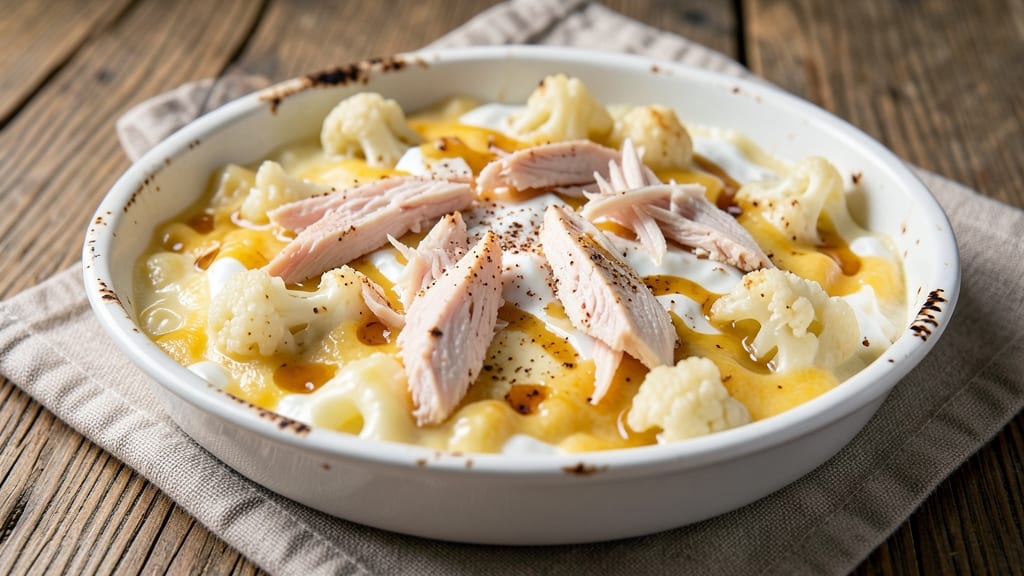
This bariatric mac and cheese recipe transforms a comfort classic into a high-protein, low-fat delight that won’t weigh you down. 💛 The secret lies in swapping traditional pasta for cauliflower noodles and using Greek yogurt instead of heavy cream, while still delivering that creamy, satisfying texture bariatric patients crave.
Every bite is packed with easy-to-digest nutrients without the guilt of traditional versions.
What sets this recipe apart is its protein focus—lean chicken or turkey adds substance, while a blend of low-fat cheeses ensures richness without excess calories. The sauce is silky-smooth, thanks to a blended cheese base, and the cauliflower noodles soften just enough to be gentle on sensitive digestion.
It’s the perfect balance of indulgence and nutrition, designed specifically for those navigating post-surgery dietary needs.
The result is a creamy, comforting dish that feels like a cheat day but aligns with bariatric guidelines. The cauliflower base provides fiber, the Greek yogurt adds protein, and the lean protein keeps you full longer.
Portion control is built in—this recipe serves two with generous portions, making it ideal for meal prep without overindulging.
Serve with a side of steamed green beans or a simple salad to round out the meal. The texture is soft yet satisfying, ensuring every bite is enjoyable without triggering discomfort. This isn’t just mac and cheese—it’s a smart, nourishing twist that proves healthy eating can still be delicious.
Ingredients for bariatric mac and cheese
High-protein ingredients designed for bariatric digestion without sacrificing creaminess or flavor.
| Ingredient | Amount | Notes |
|---|---|---|
| Fresh Cauliflower Florets 🥬 | 12 oz | Cut into thin ribbons (julienne) |
| Plain Non-Fat Greek Yogurt 🥛 | ¾ cup | 2% or full-fat for creaminess |
| Low-Fat Shredded Cheddar Cheese 🧀 | 1 cup | Part-skim preferred (2-4% fat) |
| Low-Fat Shredded Mozzarella Cheese 🧀 | ½ cup | Part-skim, low-moisture |
| Skinless Boneless Chicken Breast 🍗 | 4 oz | Diced into small pieces |
| Unsalted Chicken or Vegetable Broth 💧 | ½ cup | Low-sodium preferred |
| Extra-Virgin Olive Oil 🫒 | 1 tbsp | For sautéing chicken |
| Diamond Crystal Kosher Salt 🧂 | ¼ tsp | Adjust to taste |
| Freshly Ground Black Pepper 🌶️ | ⅛ tsp | For seasoning |
| Garlic Cloves 🧄 | 2 cloves | Minced for flavor |
| Dried Mustard Powder 🌿 | ¼ tsp | For depth of flavor |
| Fresh Parsley 🌿 | 1 tbsp | Chopped, for garnish |
| Lemon Juice 🍋 | 1 tsp | Freshly squeezed |
The cauliflower is the foundation here—look for fresh, vibrant florets with no yellowing or soft spots. Pre-cut cauliflower ribbons at Whole Foods or Trader Joe's save time, but whole florets yield more volume. For the Greek yogurt, Fage 2% or plain non-fat delivers the best texture without overpowering the dish. The cheese blend is critical: low-fat cheddar and mozzarella provide that classic mac and cheese flavor while keeping calories in check. The chicken breast should be lean and boneless—cut it into small, uniform pieces for even cooking and easier digestion.
No Greek yogurt? Unsweetened almond milk yogurt works as a dairy-free alternative, though texture will differ slightly. Substituting chicken for ground turkey or white fish maintains the protein focus. The broth can be swapped for low-sodium vegetable broth if preferred. For extra flavor without calories, add a pinch of smoked paprika or nutritional yeast. The garlic and mustard powder are non-negotiable—they elevate the dish without adding fat or calories. If you're sensitive to textures, blend the cauliflower ribbons briefly before cooking to soften them further.
Prep the cauliflower ribbons first—they soften quickly. Store any leftover chicken in airtight containers for up to 3 days, while the cheese sauce keeps 2 days refrigerated. Freeze portions of the sauce in ice cube trays for easy reheating—just add to cooked cauliflower when ready. This recipe reheats beautifully; microwave in 30-second bursts to maintain texture. For meal prep, portion into single-serving containers to control portions effortlessly. The lemon juice at the end brightens the dish and adds a touch of acidity that aids digestion.
Why You'll Love This Recipe
- No-Fuss Assembly: I swear, this takes less effort than ordering takeout. You steam the cauliflower while the chicken cooks—no chopping, no fuss—just toss everything into one pan with that creamy yogurt base. My lazy Sundays just got a whole lot easier.
- Creamy Without Guilt: That Greek yogurt makes it rich and velvety, but honestly? You’d never know it’s light. The cheddar and mozzarella melt into that perfect stretchy pull, and the chicken adds just enough protein to keep you full. It’s the kind of comfort food that doesn’t leave you dragging.
- Meal Prep Hero: Between us, this is my go-to for lunches all week. The flavors only get better as it sits, and the portions are just right—big enough to satisfy, small enough to reheat without drying out. I make a double batch every Sunday and thank myself every Tuesday.
- Budget-Friendly Protein Boost: You’re getting all the goodness of mac and cheese and a solid chicken serving for half the cost of takeout. The cauliflower stretches the dish, the yogurt cuts calories, and the cheese makes it feel indulgent. My wallet and my waistline both win.
Step-by-step instructions for bariatric-friendly cauliflower mac and cheese
This protein-packed version delivers rich flavor while keeping calories and fat in check.
🍳 Step 1: Cook the Chicken and Sauté Aromatics
Heat the 1 tablespoon extra-virgin olive oil in a non-stick skillet over medium-high heat. Add the 4 oz diced skinless boneless chicken breast and cook for 4-5 minutes until the chicken is lightly browned on all sides and reaches 165°F internally. Remove and set aside.
In the same skillet, add the 2 cloves minced garlic and cook for 30 seconds until fragrant. Immediately add the 0.25 teaspoon dried mustard powder and stir for 10 seconds to toast the spices. This step builds the flavor foundation without adding excess fat. The mustard powder adds depth that complements the cheeses beautifully.
👨🍳 Step 2: Prepare the Cauliflower Ribbons
While the chicken cooks, cut the 12 oz fresh cauliflower florets into thin ribbons (julienne) using a sharp knife or mandoline. You should have about 3 cups of ribbons. Transfer them to a large microwave-safe bowl and microwave for 2-3 minutes until tender but still slightly crisp—they should hold their shape when pierced with a fork but yield slightly.
This partial cooking prevents the cauliflower from turning mushy later. The slight crispness also helps create texture similar to traditional pasta. Don't overcook them here—they'll finish cooking in the oven.
🥘 Step 3: Assemble the Baking Dish
In a medium bowl, combine the 0.75 cup plain non-fat Greek yogurt, 1 cup low-fat shredded cheddar cheese, 0.5 cup low-fat shredded mozzarella cheese, 0.25 teaspoon kosher salt, and 0.125 teaspoon black pepper. Mix until smooth and well combined. The yogurt creates a creamy base without the heavy cream, while the cheese blend delivers that classic mac and cheese flavor.
In a separate small bowl, whisk together the 0.5 cup unsalted chicken or vegetable broth and 1 teaspoon freshly squeezed lemon juice. This broth mixture will prevent the dish from drying out during baking and adds a bright contrast to the rich cheeses.
🔥 Step 4: Layer and Bake to Melty Perfection
Preheat your oven to 375°F. In a greased 8x8-inch baking dish, combine the cooked cauliflower ribbons, chicken, and half of the cheese mixture. Drizzle with half of the broth mixture. Repeat with another layer of cauliflower, remaining chicken, and the remaining cheese mixture, finishing with the remaining broth.
Cover the baking dish tightly with aluminum foil and bake for 20 minutes. Then remove the foil and bake for another 10-12 minutes until the top is golden brown and bubbly. The foil helps steam the cauliflower initially, while the uncovered finish creates that desirable crust. The dish is ready when the cheese is fully melted and the edges are slightly crisp.
🍽️ Step 5: Garnish and Serve Warm
Remove from the oven and let rest for 5 minutes. This resting period allows the flavors to meld and prevents a runny texture when serving. Garnish with 1 tablespoon chopped fresh parsley just before serving for a pop of color and freshness.
Divide the mac and cheese between two plates. Each serving contains high-quality protein from the chicken and Greek yogurt, fiber from the cauliflower, and calcium from the cheeses—all while keeping the portion size appropriate for bariatric needs. The lemon juice brightens the rich flavors, making this dish satisfying without being heavy.
Pro Tips For Making Bariatric Mac And Cheese
- STEAM CAULIFLOWER FIRST: I learned this the hard way—roasting the florets whole before shredding gives you way more surface area for that cheesy sauce to cling to. Cut them into even 1-inch pieces, steam for exactly 6 minutes until fork-tender, then pulse in a food processor until it looks like macaroni. (Yes, even if it’s not perfect—this isn’t fine pasta.)
- SEAR CHICKEN IN BATCHES: Low-fat chicken breast turns rubbery when crowded. Cook it in two batches over medium-high heat for 5-6 minutes per side, flipping once, until the internal temp hits 165°F. Rest it under foil for 5 minutes—this keeps it juicy when you slice it thin for the final dish. (Trust me, skipping this step makes the texture sad.)
- MELT CHEESE LOW AND SLOW: The moment you mix shredded cheddar and mozzarella with Greek yogurt, reduce heat to low and stir constantly. If you let it bubble, the cheese seizes up and turns grainy. A splash of warm water (just 1 tablespoon) helps it blend smoothly—it’s a bariatric hack, not a mistake.
- SAVE TIME WITH YOGURT BASE: No need to make a roux. Whisk the Greek yogurt with a splash of chicken broth first, then stir in the melted cheese mixture. The yogurt thickens as it cools, so add a pinch of cornstarch (½ teaspoon) if it’s too loose. (I know, it sounds weird, but it actually works—no lumps, no waiting.)
Troubleshooting great bariatric mac and cheese
Cheese Too Watery
If your cheese sauce separates or looks too thin, it’s likely from overheating or using too much liquid. The Greek yogurt and broth combination is delicate—heat it gently over low heat while stirring constantly.
For extra thickness, mix 1 tablespoon cornstarch with 1 tablespoon cold water, then stir into the sauce until it thickens. I’ve found that low-fat cheeses can also behave differently, so if the sauce still looks thin, reduce the broth by 2 tablespoons next time. 💡
Cauliflower Too Soft
Overcooked cauliflower ribbons turn mushy, especially if microwaved too long. Start with 2 minutes in the microwave and check for tenderness—ribbons should bend slightly but still hold shape. If they’re too soft after baking, try partially cooking them in a steamer basket for 3-4 minutes instead.
For extra texture, toss the ribbons with ½ teaspoon olive oil before microwaving to help them crisp up slightly. 🥬
Chicken Overcooked
Diced chicken dries out quickly, especially in bariatric-friendly recipes where lean cuts are key. Cook it in small batches over medium-low heat for 3-4 minutes per side, and use a meat thermometer to ensure it hits 165°F without browning too much.
If the chicken seems dry, add 1 teaspoon broth to the skillet while cooking to keep it moist. I also recommend using ground chicken instead of diced for better texture retention. 🍗
Baked Dish Too Dry
A dry mac and cheese usually means the cauliflower absorbed too much moisture or the cheese didn’t melt properly. To fix this, add 2 tablespoons extra broth before baking and cover the dish tightly with foil for the first 15 minutes.
If the top isn’t golden enough, broil for 1-2 minutes at the end—just watch closely to avoid burning. For next time, try reducing the baking time by 5 minutes and checking for doneness earlier. 🔥
Sauce Not Creamy Enough
If your sauce lacks creaminess, the Greek yogurt might have been too thick or the cheeses not melted enough. For a silkier texture, blend the cheese mixture briefly before adding it to the dish.
You can also stir in 1 tablespoon unsweetened applesauce or mashed avocado for natural creaminess without extra fat. I’ve found that shredding the cheese fresh (not pre-shredded) helps it melt more smoothly. 🥛
Portion Control Issues
Bariatric portions are small, but this recipe serves two—so divide it evenly into two 8x8-inch ramekins before baking for perfect single servings. If you’re meal prepping, store in individual airtight containers with a ¼ cup serving scoop marked on the side.
For extra guidance, use a food scale to measure ½ cup per serving—this ensures consistency without guesswork. 📏
Nutrition facts
Frequently asked questions
Can I use regular pasta instead of cauliflower?
While you can substitute whole wheat or chickpea pasta, it won't meet bariatric dietary needs. Traditional pasta is high in carbs and low in protein, which can trigger discomfort. Cauliflower provides fiber and low-calorie bulk while keeping portions appropriate for post-surgery digestion. For a closer texture, try shirataki noodles (konjac-based), but they require soaking first.
How do I adjust this for stage 1 bariatric patients?
For stage 1 (clear liquids), blend the entire dish until completely smooth—no visible cauliflower or chicken. Use unsweetened almond milk instead of broth and cream cheese (instead of Greek yogurt) for easier digestion. Serve at room temperature and avoid seasonings like garlic or mustard powder. The goal is protein-rich, soft textures without chewing.
Can I make this ahead of time?
Yes! Assemble the dish up to 24 hours ahead and refrigerate uncovered. When ready to bake, add 1 extra tablespoon broth to compensate for moisture loss. Bake at 375°F for 15-20 minutes (covered with foil) until heated through. For meal prep, portion into individual ramekins before baking to control servings easily.
What's the best way to reheat leftovers?
Microwave in 20-second bursts on 50% power, stirring between each interval to prevent drying. For oven reheating, cover with foil and warm at 350°F for 8-10 minutes. Add 1 teaspoon broth before reheating if the dish seems dry. Never microwave uncovered—it can make the cheese rubbery. Store leftovers in airtight containers for up to 3 days.
Can I add vegetables to this recipe?
Finely chop zucchini, mushrooms, or spinach and sauté with the garlic. For stage 2+, try roasted butternut squash cubes (½ cup) for natural sweetness. Avoid raw onions or celery—they're hard to digest. For extra nutrients, blend steamed cauliflower into the cheese sauce (replace 2 tbsp broth) to boost fiber content.