
Appetizers
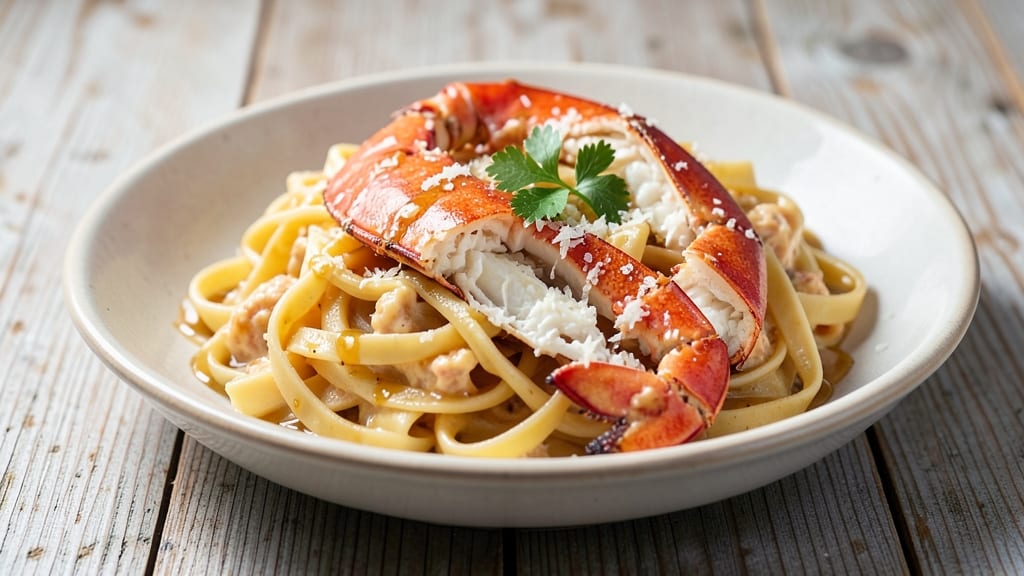
This Barefoot Contessa lobster mac and cheese recipe transforms a classic comfort dish into a luxurious centerpiece—creamy, decadent, and elevated by tender lobster bites. The secret lies in a velvety cheese sauce that clings to buttery noodles while perfectly cooked lobster adds a touch of coastal sophistication.
I’ve refined this approachable yet refined recipe to deliver restaurant-quality results without the fuss.
The foundation starts with al dente pasta tossed in a rich, three-cheese sauce that’s smooth yet substantial, balanced by a hint of lemon to brighten the richness.
Meanwhile, the lobster cooks just long enough to stay tender and sweet, then gets folded into the mac and cheese at the last moment to preserve its delicate texture. Every bite delivers that perfect harmony of creamy, cheesy goodness with the ocean’s finest touch.
What makes this recipe truly special is how effortlessly it comes together—no complicated techniques, just precise timing and quality ingredients. The result is a dish that feels indulgent yet approachable, perfect for impressing guests or treating yourself to a special meal.
The lobster melts into the mac and cheese, creating pockets of luxurious flavor that turn an ordinary weeknight into something extraordinary.
Serve this luxurious lobster mac and cheese with a crisp green salad or garlic bread to soak up every last drop of that creamy sauce. The dish holds well at room temperature, making it ideal for gatherings, and reheats beautifully for leftovers.
Here’s how to bring this refined comfort food to your table with confidence.
Ingredients for barefoot contessa lobster mac and cheese
Quality ingredients transform ordinary mac and cheese into a luxurious lobster centerpiece.
| Ingredient | Amount | Notes |
|---|---|---|
| Lobster Tails 🦞 | 1 ½ lb | Fresh, shell-on preferred |
| Fettuccine Pasta 🍝 | 12 oz | Fresh or high-quality dried |
| Heavy Cream 🥛 | 1 cup | Full-fat for richness |
| Whole Milk 🥛 | 1 cup | Warm for smooth sauce |
| Sharp White Cheddar Cheese 🧀 | 1 ½ cups | Shredded, aged 6+ months |
| Gruyère Cheese 🧀 | 1 cup | Freshly grated, nutty flavor |
| Parmesan Cheese 🧀 | ½ cup | Freshly grated, fine texture |
| Unsalted Butter 🧈 | 6 tbsp | European-style preferred |
| Fresh Lemon Juice 🍋 | 1 tbsp | Brightens the sauce |
| Garlic Cloves 🧄 | 3 cloves | Minced, fresh preferred |
| Diamond Crystal Kosher Salt 🧂 | 1 ½ tsp | Adjust to taste |
| Freshly Ground Black Pepper 🌶️ | ½ tsp | Freshly cracked |
| Extra-Virgin Olive Oil 🫒 | 2 tbsp | For lobster cooking |
| Fresh Chives 🌿 | ¼ cup | Chopped, for garnish |
The lobster makes this dish special—fresh, shell-on tails from a seafood market or trusted grocer like Whole Foods or Trader Joe's ensure the best flavor. Look for vibrant color and firm texture; avoid any with a strong fishy odor. For the cheeses, aged sharp cheddar and Gruyère from a specialty shop elevate the sauce beyond basic recipes. The pasta should be al dente when cooked—fresh fettuccine cooks faster than dried, so adjust timing accordingly. If you can't find Gruyère, Parmigiano-Reggiano adds depth instead.
No fresh lobster? Frozen tails thawed overnight work just as well. For the cheeses, pre-shredded blends often contain anti-caking agents that prevent smooth melting—grate your own from blocks for the best texture. The heavy cream and milk should be warmed together to prevent curdling in the sauce. If you're short on time, half-and-half plus a splash of cream works in a pinch, though the sauce will be slightly lighter. Lemon juice can be substituted with paste, but fresh is brighter and worth the squeeze.
Store cooked lobster tails in the fridge for up to 2 days or freeze for 3 months—thaw overnight in the fridge before using. The cheese sauce keeps well for 3 days in the refrigerator, though texture may change slightly. For gatherings, assemble the dish ahead and reheat gently—low heat with a splash of milk revives the creamy texture beautifully. Garnish with fresh chives just before serving to keep them vibrant.
Why You'll Love This Recipe
- No-Fuss Luxury: Between us, the only prep is snapping lobster tails and boiling water—no fancy knife work, no stress. That creamy sharp cheddar sauce melts in minutes, and the pasta cooks while you steam the lobster. Honestly, it’s the kind of dish that makes you feel fancy without the fuss.
- Lobster Love Bites: The moment those tender lobster tails hit the creamy, cheesy sauce? Pure satisfaction. The melt-in-your-mouth texture of the pasta paired with the buttery lobster—it’s the kind of bite that makes you slow down and savor every forkful. (Yes, even on a Tuesday night.)
- Weeknight or Wow Night: This recipe’s got you covered whether it’s a lazy Friday or your in-laws are over. The rich, velvety sauce feels special, but the prep is so simple my kids could help (and they always ask for seconds). Between us, it’s my go-to for when I want to impress without slaving away.
- Leftovers That Don’t Suck: Here’s what sold me—the sauce actually gets better the next day. Reheat it, and the cheddar gets even gooier, the pasta soaks up all the flavor. I make a double batch on Sundays because it’s the only time I can justify lobster, and the leftovers disappear faster than I can say “second helping.”
Step-by-step instructions for luxe lobster mac and cheese
Here's how to create a decadent lobster mac and cheese with perfectly cooked lobster and creamy, cheesy noodles.
Cook the Lobster Tails to Perfect Doneness
Bring a large pot of water to a rolling boil and add the 1.5 lb lobster tails, shell-on. Cook for 8-10 minutes until the shells turn bright red and the meat is opaque and tender when tested with a knife. This ensures the lobster is fully cooked without becoming rubbery.
While the lobster cooks, prepare an ice bath in a large bowl. Once the lobster is done, immediately transfer the tails to the ice bath for 5 minutes to stop the cooking process. This step is crucial for keeping the meat tender and preventing it from becoming tough. Remove the lobster tails from the shells, leaving the meat intact for easy serving.
Prepare the Cheese Sauce Base
In a large, heavy-bottomed pot, melt 4 tbsp of the unsalted butter over medium heat. Add the 3 cloves minced garlic and sauté for 30 seconds until fragrant but not browned. This step ensures the garlic flavor is fully incorporated without becoming bitter.
Reduce the heat to low and gradually whisk in the 1 cup whole milk and 1 cup heavy cream. Let the mixture warm gently for 2-3 minutes until it begins to steam. This gradual warming prevents the dairy from curdling and ensures a smooth sauce.
Add Cheeses and Create a Silky Sauce
Remove the pot from heat and gradually whisk in the 1.5 cups shredded sharp white cheddar cheese, 1 cup freshly grated Gruyère cheese, and 0.5 cup freshly grated Parmesan cheese. Stir until the cheeses are completely melted and the sauce is smooth. Return the pot to low heat and continue stirring for 2-3 minutes until the sauce thickens to a velvety consistency.
If the sauce is too thick, whisk in 1-2 tablespoons of pasta water to reach your desired consistency. This step ensures the sauce coats the noodles perfectly without being overly thick or clumpy. Season with 1.5 tsp Diamond Crystal kosher salt and 0.5 tsp freshly ground black pepper to taste.
Cook the Fettuccine and Combine
Cook the 12 oz fettuccine pasta in a separate pot of well-salted boiling water according to package instructions until al dente. Reserve 1 cup of pasta water before draining, as this starchy liquid helps create the perfect sauce consistency. Drain the pasta and immediately return it to the pot.
Pour the cheese sauce over the cooked fettuccine and toss gently to coat evenly. If needed, add a splash of the reserved pasta water to loosen the sauce. Stir in the 1 tbsp fresh lemon juice and 2 tbsp extra-virgin olive oil for brightness and richness. The lemon juice brightens the dish, while the olive oil adds a touch of elegance.
Add Lobster and Garnish for Serving
Cut the cooked lobster tails into 1-inch chunks and gently fold them into the mac and cheese. Heat the mixture through for 1-2 minutes over low heat to ensure the lobster is warmed but not overcooked. This step ensures the lobster stays tender and the flavors meld together.
Divide the lobster mac and cheese among 4 serving dishes and garnish each with 0.25 cup chopped fresh chives. Serve immediately while the pasta is hot and the sauce is creamy. The chives add a fresh, bright contrast to the rich, cheesy lobster pasta.
Pro Tips For Making Barefoot Contessa Lobster Mac And Cheese
- Split the Lobster Properly: Use kitchen shears to snip the shell lengthwise just past the tail meat—don’t cut too deep or you’ll lose chunks when you flip. I learned this the hard way after watching perfectly good lobster meat slide into the sauce instead of staying put.
- Toast the Cheese First: Melt the sharp white cheddar in the heavy cream and milk over medium-low heat until it’s fully dissolved and just starting to thicken—about 5 minutes. If you rush it, you’ll end up with grainy bits that ruin the silky texture. (Yes, even if you’re impatient like me.)
- Reserve the Pasta Water: Keep at least 1 cup of starchy pasta water from cooking the fettuccine—it’s the glue that binds the sauce to the noodles. I used to skip this and wondered why my mac always tasted dry. Trust me, it’s non-negotiable for that creamy, cohesive finish.
- Bake Lobster Covered: Tent the lobster tails with foil for the first 8 minutes of baking to trap steam and keep the meat tender. After that, uncover and broil for 2-3 minutes to get that golden crust. Sounds weird, but it works—your lobster will be juicy on the inside and crisp on top.
Dietary considerations for barefoot contessa lobster mac and cheese
Gluten-Free Adaptation
For a gluten-free version, swap the traditional fettuccine for gluten-free pasta like Barilla Gluten-Free Fettuccine or Jovial Brown Rice Pasta. These brands mimic the texture of wheat pasta when cooked al dente.
The key is to cook gluten-free pasta for 1-2 minutes less than the package suggests—it continues cooking when tossed with the sauce. 🍝
Ensure your cheese sauce remains gluten-free by checking labels on cheeses like Gruyère and Parmesan. Most brands are naturally gluten-free, but pre-shredded cheeses sometimes contain additives. Stick to block cheese and grate it yourself for safety. The lobster and other ingredients are already gluten-free, so no additional substitutions are needed.
Dairy-Free Options
To make this dish dairy-free, replace the heavy cream and milk with full-fat coconut milk (canned, not carton) for richness.
Use nutritional yeast (about ½ cup) instead of Parmesan for a cheesy flavor, and swap cheddar and Gruyère for dairy-free sharp cheddar (like Violife or Daiya) and dairy-free Gruyère alternatives. 🥛
For butter, use Earth Balance vegan butter or olive oil. The sauce will be lighter but still creamy. Taste as you go—you may need to add a splash of unsweetened almond milk to reach the right consistency.
The lobster remains the star, so focus on balancing its sweetness with the dairy-free elements.
Lower-Carb Version
Cut carbs by replacing fettuccine with spaghetti squash or shirataki noodles. For spaghetti squash, roast it at 400°F for 35-40 minutes until tender, then scrape the strands with a fork.
Shirataki noodles require rinsing and blanching in boiling water for 2 minutes to remove excess sodium. Both options absorb the cheese sauce beautifully. 🥒
To make the sauce lower in carbs, reduce the amount of heavy cream to ½ cup and add ¼ cup unsweetened almond milk for a lighter texture.
The cheese quantities can stay the same, but the sauce will be slightly thinner—adjust with a splash of pasta water or almond milk as needed. The lobster adds protein without carbs, making this a satisfying low-carb option.
Shellfish Allergies
If someone has a shellfish allergy, this recipe can’t be made as written—but there are delicious alternatives! Swap the lobster for poached chicken breast (cooked until 165°F internal temperature) or seared scallops (cooked in 2 tbsp butter for 2 minutes per side).
Both proteins add richness and luxury without shellfish. 🍗
For a vegetarian option, fold in sautéed mushrooms (about 1 cup of cremini or shiitake) or roasted butternut squash cubes (tossed in 1 tbsp olive oil and roasted at 400°F for 20 minutes). These additions keep the dish hearty and satisfying while avoiding shellfish entirely.
Nutrition facts
Frequently asked questions
Can I use frozen lobster tails instead of fresh?
Thaw frozen lobster tails overnight in the refrigerator before cooking. The key is to keep them cold until fully thawed—never at room temperature. Frozen tails work just as well when cooked properly, and you'll still get that tender, sweet lobster flavor in your mac and cheese.
What's the best way to keep the lobster tender?
Cook lobster tails for exactly 8-10 minutes in boiling water until the shells turn bright red. Immediately transfer them to an ice bath for 5 minutes to stop cooking. This shock method preserves tenderness—overcooking turns lobster rubbery. The ice bath also makes removing the meat from shells much easier.
Why is my cheese sauce breaking or getting grainy?
Cheese sauce curdles when it heats too quickly or comes into contact with cold ingredients. Always warm your milk and cream together first, then remove from heat before adding cheeses. Stir constantly over low heat and avoid letting it boil. If it starts to separate, whisk in 1 tbsp of pasta water and keep stirring gently.
Can I make this ahead of time?
Yes! Assemble the dish up to 1 day ahead and refrigerate. To reheat, warm gently in a saucepan with a splash of milk over low heat until creamy. For the lobster, add it fresh when reheating to prevent overcooking. The pasta may soften slightly but still tastes delicious—just toss with extra sauce if needed.
What other seafood would work in this recipe?
For a similar luxurious effect, try crab meat (lump or claw) or shrimp. Cook crab for 3-4 minutes in boiling water, then fold into the sauce. Shrimp should be sautéed in butter for 2-3 minutes until just pink. Both add oceanic richness without changing the recipe's core technique.