
Snacks
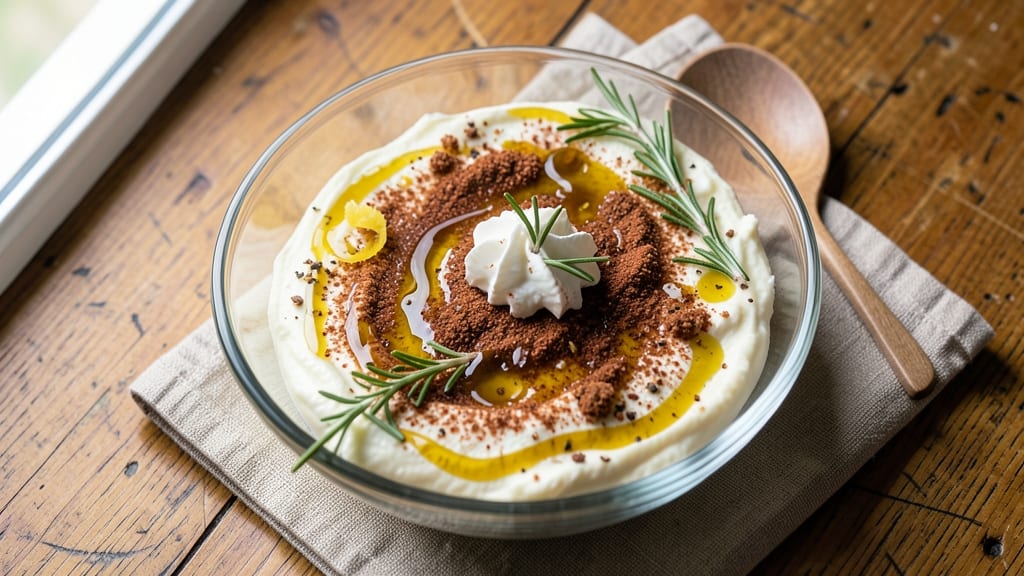
This bar cheese spread recipe transforms sharp cheddar into a velvety, nutty dip that’s perfect for charcuterie boards or sandwiches. The secret lies in blending aged cheddar with cream cheese and a touch of tangy mustard, creating a rich, spreadable texture without the fuss.
I’ve perfected this recipe over years of hosting—it’s always the first to disappear at parties.
The beauty of this spread is its simplicity: just four core ingredients, blended until smooth, then finished with a hint of smoked paprika for depth. No cooking required—just mix, chill, and serve.
The result is a creamy, slightly tangy cheese that’s bold enough to stand alone but versatile enough to elevate any bite. It’s the kind of condiment that turns ordinary snacks into something special.
What makes this recipe truly foolproof is its adaptability. Add a splash of whiskey for warmth, a dash of hot sauce for kick, or fresh herbs for brightness—it’s all about customizing to your taste.
The spread keeps beautifully in the fridge for up to a week, making it an ideal make-ahead project for gatherings. Whether you’re hosting or just craving a quick snack, this dip delivers restaurant-quality flavor with minimal effort.
Pair it with crackers, pretzels, or even as a sandwich spread—its nutty depth and creamy texture make it a crowd-pleaser every time. Ready to elevate your snack game? Here’s how to make it.
Ingredients for bar cheese spread
Four core ingredients blend into a velvety, nutty spread that transforms any snack into a gourmet experience.
| Ingredient | Amount | Notes |
|---|---|---|
| Sharp Aged Cheddar Cheese 🧀 | 8 oz | Aged 2+ years for maximum flavor |
| Cream Cheese 🧈 | 8 oz | Full-fat for best texture |
| Dijon Mustard 🍯 | 1 tbsp | Tangy variety preferred |
| Smoked Paprika 🌶️ | 1 tsp | For depth and smokiness |
| Extra-Virgin Olive Oil 🫒 | 1 tbsp | For smoothness and finish |
| Heavy Cream 🥛 | 2 tbsp | Optional for extra creaminess |
| Kosher Salt 🧂 | ¼ tsp | Adjust to taste |
| Freshly Ground Black Pepper 🌶️ | ¼ tsp | Freshly cracked preferred |
The cheddar is the star—look for sharp, aged varieties with visible crystals, which signal depth of flavor. Wisconsin or Vermont cheddar works best, but any well-aged cheddar will do. The cream cheese should be room temperature for smooth blending; take it out of the fridge 30 minutes before starting. For the mustard, Dijon is non-negotiable—it adds that signature tang. If you can't find smoked paprika, a pinch of regular paprika plus a dash of liquid smoke works in a pinch, though it won't be identical. The olive oil matters too—use extra-virgin for that fruity finish.
No aged cheddar? Extra-sharp cheddar at half the amount gets you close, but the flavor won't be as complex. Swap Dijon mustard for whole-grain mustard if that's what you have, though it'll be slightly grainier. Running low on cream cheese? Substitute mascarpone or ricotta (use 6 oz instead of 8) for a lighter texture. Want to skip the heavy cream? Add 1 tbsp sour cream instead—it keeps the richness without overpowering. The smoked paprika can be omitted if you prefer a milder flavor, but I always include it for that subtle smokiness that elevates everything.
This spread keeps beautifully in an airtight container in the fridge for up to 1 week, though it's usually gone in 2-3 days at my house. For longer storage, portion into small jars and freeze for up to 3 months. Let it sit at room temperature for 15 minutes before serving to soften slightly. The flavor actually improves after chilling for a few hours—don't rush it. If it gets too thick after refrigerating, stir in a splash of warm water or cream to loosen it up. Leftovers make fantastic sandwich spreads or crostini toppings.
Why You'll Love This Recipe
- Five-Ingredient Magic: I swear by this—just blend, mix, and boom. No chopping, no peeling, no messier steps than scraping a bowl. The sharp cheddar and cream cheese do all the work while I sip my coffee.
- Smoky Depth in Minutes: That smoked paprika and Dijon mustard combo? It’s the secret weapon. Rich, tangy, with just enough heat to wake up your taste buds—no fancy techniques, just pure flavor that sticks with you.
- Game for Any Gathering: Spread it on crackers for a party appetizer, dollop it on toast for breakfast, or slather it on sandwiches like a fancy deli. I’ve used it for game day, book club nights, and lazy Sundays—it never lets me down.
- Leftovers That Last: Make a big batch and store it for weeks. The olive oil keeps it from drying out, and honestly? I’ve had this spread sit in my fridge for over a month and still taste fresh. Budget win, time win.
Step-by-step instructions for bar cheese spread
This method delivers a velvety, flavor-packed spread with minimal effort.
Soften the Cheeses for Smooth Blending
Place both the 8 oz sharp aged cheddar cheese and 8 oz cream cheese in a mixing bowl. Allow them to sit at room temperature for 10-15 minutes—this ensures they soften enough to blend smoothly without any graininess. I like to work with room-temperature cheeses because they incorporate more evenly, creating a uniform texture throughout the spread.
While the cheeses soften, take a moment to assess their condition. The sharp aged cheddar should be slightly firm but pliable, while the cream cheese should be soft enough to press with your finger without resistance. If either cheese is still too cold, microwave them in 10-second bursts until just softened—just enough to make blending easier without melting the mixture.
Blend Until Completely Smooth
Using a stand mixer fitted with the paddle attachment, blend the cheeses on medium speed for 2-3 minutes until completely smooth. You'll notice the mixture start as lumpy but gradually transform into a creamy, homogeneous base. This step is critical—if you rush it, you'll end up with a spread that's uneven in texture.
I prefer using a stand mixer for this recipe because it ensures thorough blending without overworking the mixture. If you don't have one, a hand mixer will work just fine, though you may need to blend for an extra 30 seconds to achieve the same smooth consistency. The goal is to eliminate every last trace of graininess so the final spread has that luxurious, restaurant-quality mouthfeel.
Incorporate the Wet Ingredients
With the mixer running on low speed, gradually add the 1 tbsp Dijon mustard, 1 tbsp extra-virgin olive oil, and 2 tbsp heavy cream. The Dijon mustard adds a bright tang that cuts through the richness of the cheeses, while the olive oil and heavy cream contribute to the silky texture. Add these ingredients one at a time, allowing each to fully incorporate before adding the next.
Here's the thing—adding the wet ingredients too quickly can cause the mixture to split or become watery. By incorporating them slowly, you maintain control over the consistency. The spread should remain thick but still spreadable, with a glossy sheen that indicates proper emulsification. If it looks too thick, you can add an extra 1 tsp heavy cream to loosen it slightly.
Season and Finish
Add the 1 tsp smoked paprika, 0.25 tsp kosher salt, and 0.25 tsp freshly ground black pepper to the mixture. Pulse the mixer on low speed just until the spices are evenly distributed—you don't want to overmix and develop gluten, which could make the spread slightly tough. The smoked paprika adds a subtle smokiness that pairs beautifully with the sharp cheddar, while the salt and pepper balance the flavors.
Taste the spread and adjust the seasoning if needed. The sharp aged cheddar should be the dominant flavor, with the smoked paprika and Dijon mustard providing depth. If it needs more salt, add it in pinch increments—it's easier to adjust than to fix an oversalted spread. Once you're satisfied with the flavor, transfer the mixture to a serving bowl or airtight container. For best results, refrigerate for at least 30 minutes before serving to let the flavors meld.
Serve and Enjoy
This spread is best served at room temperature, so let it sit for 10-15 minutes before scooping onto a platter. The texture should be smooth and spreadable, with a slight sheen that indicates proper emulsification. Serve it with crackers, sliced baguette, or fresh apple slices for a perfect appetizer or snack.
Real talk: this spread keeps well in the refrigerator for up to 5 days, making it a great make-ahead option for parties or game days. If it thickens slightly after refrigeration, simply stir in a splash of heavy cream or whole milk to restore the desired consistency. The flavors only get better with time, so don't hesitate to make extra—you won't regret it.
Pro Tips For Making Bar Cheese Spread
- GRATE THE CHEESE FINE: That big block of sharp cheddar won’t blend smoothly if you’re lazy with the grater. Use the smallest holes on a box grater—think snow for your cheese, not gravel—and do it in one go. I learned this the hard way when my first batch had chewy bits that ruined the texture.
- MEASURE THE OIL BY WEIGHT: Ditch the eyeballing when adding olive oil—weigh it instead. For this recipe, aim for about 20 grams (roughly 2 tablespoons). Too little and it’ll be dry; too much and it’ll taste greasy. A small kitchen scale makes this foolproof—no more guessing.
- WARM THE CHEESE FIRST: Cold cream cheese and cheddar resist blending like stubborn kids. Microwave the cream cheese in 10-second bursts until soft, then let it sit for 30 seconds. The sharp cheddar? Just leave it at room temp for 10 minutes. This saves your arm from doing unnecessary work.
- DON’T SKIP THE MUSTARD STEP: That Dijon isn’t just for flavor—it’s the emulsifier. Whisk it into the cream cheese before adding the cheddar. I used to add it at the end, and the spread would split like a bad friendship. Stir it in until fully combined, then fold in the cheese. Trust the process.
Perfect pairings for bar cheese spread
Cracker & Bread Pairings
This rich, nutty spread shines with water crackers—their delicate crunch contrasts perfectly with the velvety texture. I always keep a box of Triscuits or Ritz crackers on hand because their subtle flavor lets the cheese take center stage.
For a rustic touch, pair with sourdough baguette slices—the tangy crust balances the spread's richness beautifully. 🥖
Charcuterie Board Magic
Elevate your charcuterie game by pairing this spread with prosciutto di Parma and aged Gouda. The salty, peppery prosciutto cuts through the creaminess, while the Gouda adds another layer of sharpness.
Add marinated artichokes, roasted nuts, and dried apricots for a mix of textures and flavors that guests will rave about. The smoked paprika in the spread ties everything together with a subtle warmth.
Sweet Contrasts
Don't overlook sweet pairings—this spread works surprisingly well with honey-drizzled figs or sliced pears. The natural sweetness of the fruit highlights the spread's tangy, nutty depth. For a decadent touch, try it with dark chocolate-covered pretzels—the salty-sweet combo is pure magic.
Even a simple apple slice with a sprinkle of cinnamon adds a refreshing contrast that keeps every bite exciting.
Savory Sandwich Spread
Transform this into a gourmet sandwich spread by slathering it on toasted sourdough with crispy bacon and arugula. The sharp cheddar and smoked paprika add depth that complements the smoky bacon perfectly.
For a vegetarian option, layer it on ciabatta with roasted red peppers and goat cheese—the flavors meld beautifully. It's the kind of spread that turns a simple lunch into something special with minimal effort.
Unexpected Pairings
Think outside the box with pickled vegetables—the tangy crunch of pickled jalapeños or cornichons adds a bright contrast that cleanses your palate. For a smoky twist, pair with grilled halloumi or smoked salmon—the creamy spread acts as a luxurious base for these bold flavors.
Even olive tapenade makes an unexpected but delicious companion, creating a Mediterranean-inspired bite that's hard to resist.
Drink Pairings
A crisp dry Riesling cuts through the richness of the spread beautifully, with its bright acidity balancing the creamy texture. For beer lovers, a Belgian witbier like Hoegaarden adds a citrusy lift that complements the smoked paprika.
If you prefer something non-alcoholic, sparkling apple cider with a squeeze of lemon provides the same refreshing contrast. The key is to choose drinks with enough acidity or effervescence to keep your palate fresh between bites. 🍷
Nutrition facts
Frequently asked questions
Can I use a different type of cheese instead of sharp aged cheddar?
For a milder flavor, try extra-sharp cheddar (use 12 oz instead of 8 oz), or swap in Gruyère or Pecorino Romano for a nutty twist. Avoid pre-shredded cheeses—they contain anti-caking agents that make the spread grainy. If you love blue cheese, Gorgonzola dolce adds a creamy, tangy richness that works beautifully.
How do I fix a spread that's too thick or too thin?
If your spread is too thick after chilling, stir in 1-2 tsp heavy cream or whole milk until smooth. For a thinner spread, add 1 tsp Dijon mustard or a splash of warm water. The key is to adjust gradually—start with ½ tsp increments and mix well between additions. Pro tip: Let it sit at room temperature for 10 minutes before adjusting to better gauge the consistency.
Can I make this spread without a mixer?
Yes! Use a sturdy spoon or spatula to mash the cheeses in a bowl until smooth, then work in the wet ingredients one at a time. For extra creaminess, place the bowl over a pot of barely simmering water (double boiler) for 2-3 minutes while stirring—this helps emulsify the mixture. Just be patient; it'll take a bit more elbow grease than a mixer, but the result will be just as delicious.
What's the best way to store leftovers?
Transfer to an airtight container and refrigerate for up to 5 days. For longer storage, portion into small jars and freeze for up to 3 months. Thaw in the fridge overnight. If the spread separates after freezing, give it a good stir and let it sit at room temperature for 15 minutes before serving. The texture will recover beautifully—just don't microwave it!
Can I add alcohol to this spread?
A splash of 1 tsp whiskey or dry sherry adds depth, while ½ tsp hot sauce brings heat. For beer lovers, stir in 1 tsp stout or porter and let it sit for 10 minutes before blending. Just remember: add alcohol after blending the cheeses, and taste as you go—too much can overpower the cheddar's sharpness. Start with ½ tsp and adjust to taste.