
Appetizers
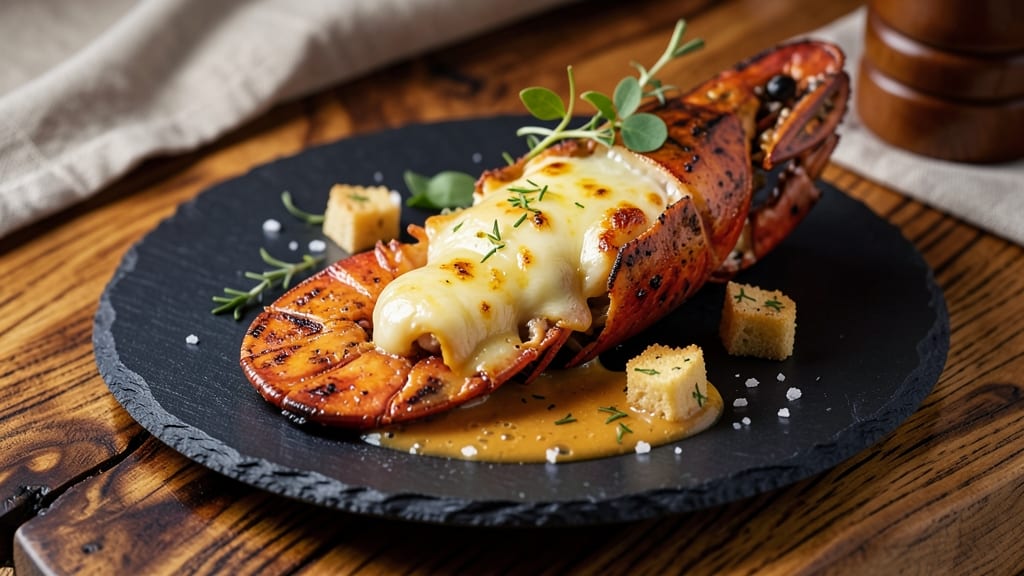
This baked cheese-stuffed lobster recipe transforms a luxurious seafood dish into a showstopping centerpiece with gooey melted cheese and a buttery crust that cracks open to reveal tender lobster inside.
The secret lies in stuffing each tail with a blend of sharp cheddar and cream cheese, then baking until the crust turns golden and the cheese pulls into perfect strings.
I developed this recipe after years of perfecting restaurant-quality seafood dishes at home—no special equipment required, just patience and attention to detail.
The magic happens when the lobster's natural sweetness combines with the rich, salty depth of the cheese filling, creating a flavor profile that's both indulgent and balanced. Prep takes just 20 minutes, while the baking process (about 15-20 minutes at 425°F) ensures the crust stays crisp while the cheese remains creamy.
The key is using a mix of cheeses—sharp cheddar for flavor and cream cheese for meltability—plus a touch of garlic powder and parsley for brightness.
What you'll end up with is a lobster that looks as impressive as it tastes: a golden crust that cracks open to reveal tender lobster meat enveloped in melted cheese.
The aroma alone will have everyone gathered around your table, and each bite delivers that perfect combination of buttery crust, creamy cheese, and sweet lobster.
This dish is elegant enough for special occasions but simple enough for a weeknight dinner when you want to feel like you're dining at a high-end restaurant.
The best part? It pairs beautifully with classic sides like garlic bread to soak up any extra cheese, a crisp green salad to cut through the richness, or a chilled glass of Sauvignon Blanc to complement the seafood.
Leftovers? Store them in the fridge for up to 2 days, though I doubt you'll have any—this recipe disappears faster than you can say "buttery crust." Let's get started on creating your new signature dish.
Ingredients for baked cheese lobster
Four lobster tails, two cheeses, and a buttery crust—this is your seafood centerpiece.
| Ingredient | Amount | Notes |
|---|---|---|
| Live Lobster Tails 🦞 | 4 whole | 12-16 oz each, shell-on preferred |
| Sharp White Cheddar Cheese 🧀 | 8 oz | Block form, freshly grated |
| Cream Cheese 🧀 | 4 oz | Full-fat, room temperature |
| Unsalted Butter 🧈 | ½ cup | Cold, cubed for crust |
| Garlic Powder 🧄 | 1 tsp | Freshly ground preferred |
| Dried Parsley Flakes 🌿 | 1 tbsp | For vibrant color |
| Sea Salt 🧂 | ½ tsp | Diamond Crystal preferred |
| Freshly Ground Black Pepper 🌶️ | ¼ tsp | Freshly cracked |
| Panko Breadcrumbs 🍞 | ¼ cup | For extra crunch |
| Lemon Juice 🍋 | 1 tbsp | Freshly squeezed |
| Extra-Virgin Olive Oil 🫒 | 1 tbsp | For brushing crust |
The lobster tails are non-negotiable here. Live or previously frozen works—just make sure they're plump and smell like the ocean. Whole Foods and Trader Joe's have great options, but call ahead for freshness. The cheddar should be sharp and white—Cabot or Tillamook are my go-tos. Cream cheese needs to be full-fat for that perfect melt. Pro tip: if your tails have the shell removed, ask for it back—they're perfect for cracking open at the table later. And always buy a little extra lobster if you can—it disappears fast once the baking starts.
No sharp cheddar? Pepper jack at half the amount adds heat. Cream cheese too expensive? Substitute mascarpone or even ricotta, but reduce by 1 oz. The butter crust is where the magic happens—European-style butter has more fat for better browning. If you're feeling fancy, mix in 1 tbsp of finely chopped chives with the parsley. For the crust, I like to toast the panko in a dry pan for 2 minutes first—crispier = better. And don't skip the lemon juice—it brightens up the whole dish.
Lobster tails stay fresh 2 days in the fridge if uncooked, but once stuffed, get them in the oven ASAP. The cheese filling can be prepped 1 day ahead—just keep it chilled until ready to stuff. Leftover baked lobster? Reheat at 350°F for 10 minutes—the crust gets even crispier. Store in an airtight container with a paper towel to soak up any moisture. And honestly? Leftovers are rare—this disappears faster than you can say "buttery crust."
Why You'll Love This Recipe
- One-Pan Magic: I swear by this recipe—just toss the lobster tails on a sheet pan, mix the cheddar and cream cheese with butter and garlic powder, spread it on top, and bake. No chopping, no fuss. The butter melts into that creamy cheese blanket while the garlic powder infuses every bite, and honestly? That’s about as hands-off as gourmet gets.
- Creamy Crispy Dream: The sharp cheddar and cream cheese combo is where this dish really shines—it’s rich but not cloying, with that perfect crispy edge on top while the inside stays velvety. I’ll be real: my kids think it’s "fancy food," but it’s so simple even I can’t mess it up. (Yes, even on a Tuesday night.)
- Date Night Ready: Between us, lobster feels special, but this recipe makes it feel achievable. You’re not slaving over a stove—just 20 minutes in the oven, and suddenly you’ve got a dish that looks like it belongs on a restaurant menu. My husband still thinks I hired a chef after the first time.
- Leftovers That Don’t Suck: Most baked lobster recipes leave you with sad, dry tails the next day. Not this one. The cheese mixture keeps everything moist, so leftovers reheat beautifully—great for lunch or a quick snack. (Pro tip: I save the extra cheese mix and use it as a dip for crackers. No judgment.)
Step-by-step instructions for baked cheese-stuffed lobster
Here's how to create a showstopping dish with tender lobster and a golden, buttery crust.
Prep the Lobster Tails for Maximum Flavor
Start by gently twisting each lobster tail to separate it from the shell, leaving the tail meat intact. Use kitchen shears to carefully cut along the underside of the shell to create an opening large enough to stuff with cheese. I like to make a clean cut about 3 inches long—this makes it easy to fill and creates a beautiful presentation.
Pat the lobster tails dry with paper towels to remove any moisture, which helps the crust adhere better. Place them on a baking sheet and brush the inside of each shell with 1 tablespoon extra-virgin olive oil. This step ensures the cheese mixture doesn't stick to the shell and adds a subtle richness. Keep the lobster tails at room temperature while you prepare the filling.
Create the Gooey Cheese Filling
In a medium bowl, combine the 8 oz sharp white cheddar cheese and 4 oz cream cheese until smooth. I use a rubber spatula to work it into a creamy, lump-free mixture—this ensures an even distribution of flavor and texture. Add the 1 tablespoon lemon juice, 1 teaspoon garlic powder, 0.5 teaspoon sea salt, and 0.25 teaspoon freshly ground black pepper, mixing well to incorporate all the seasonings.
Here's the thing—don't overmix the cheese. You want it to hold its shape when stuffed into the lobster tails, but still melt beautifully in the oven. The lemon juice brightens the rich cheeses, while the garlic and pepper add depth. If the mixture feels too soft, chill it in the fridge for 10 minutes to firm up slightly before stuffing.
Assemble and Create the Buttery Crust
Spoon the cheese mixture into the lobster tail shells, pressing it down gently to fill them completely. The cheese should peek out slightly from the opening—this is perfect for that gooey pull-apart texture. In a separate bowl, combine the 0.5 cup cold unsalted butter (cubed), 0.25 cup panko breadcrumbs, and 1 tablespoon dried parsley flakes. Use your fingers to work the butter into the breadcrumbs until it resembles coarse crumbs.
Sprinkle this buttery mixture evenly over the stuffed lobster tails, pressing gently to help it adhere. The cold butter will melt into the panko, creating a crispy, golden crust. I like to make sure every inch of the lobster is coated—this ensures maximum crunch with every bite. Place the stuffed lobster tails on a parchment-lined baking sheet to catch any melting cheese.
Bake to Golden Perfection
Preheat your oven to 375°F for this step. Bake the stuffed lobster tails for 12-15 minutes until the crust is deep golden brown and the cheese is fully melted and bubbly. You'll know it's ready when the edges are crispy and the cheese inside looks glossy and slightly caramelized.
Here's where it gets exciting—watch for the cheese to start bubbling and turning golden. If the crust browns too quickly, tent the baking sheet loosely with aluminum foil to prevent burning while the cheese finishes melting. The lobster should reach an internal temperature of 145°F when measured at the thickest part of the tail. Let them rest for 2-3 minutes before serving to allow the cheese to set slightly.
Serve with Style and Enjoy
Transfer the baked lobster tails to serving plates, ensuring the cheese stays contained within the shells. Garnish with an extra sprinkle of dried parsley flakes for a pop of color. Serve immediately with lemon wedges on the side—this lets guests add a fresh citrus note if they prefer.
Each bite should deliver a perfect balance: the tender, sweet lobster, the creamy melted cheese, and the crispy buttery crust. This dish is all about contrast—creamy meets crunchy, rich meets bright. Don't forget to save some of that melted cheese for dipping any remaining crust bits—it's the best part!
Pro Tips For Making Baked Cheese Lobster
- THAW FIRST, THICK CUTS: Live lobster tails need to be thawed in cold water for 15-20 minutes before baking—never microwave. Thick cuts (over 1.5 inches) take 12-15 minutes at 400°F to cook through without drying out, while thinner ones need just 8-10. I learned this the hard way after serving rubbery tails to guests who’d rather eat elsewhere.
- GRATE CHEESE, DON’T SLICE: Sharp white cheddar loses its sharpness when melted in chunks. Grate it yourself (or buy pre-grated) and mix it with softened cream cheese for a creamy, gooey texture that clings to the lobster instead of clumping. Skip the pre-shredded stuff—it’s coated with anti-caking agents that make the sauce grainy.
- BUTTER THE INSIDE TOO: Don’t just dot the outside of the lobster tail with butter—split it open and smear a thin layer inside the shell before adding the cheese mix. This guarantees the meat stays moist and absorbs the cheesy flavor instead of steaming dry. Yes, it’s messy, but it’s worth it.
- COVER HALFWAY, UNCOVER LAST 3: Tent the lobster with foil for the first 10 minutes of baking, then remove it for the last three to let the cheese brown and develop a crust. If you keep it covered, you’ll end up with a sad, pale cheese blanket instead of that golden, bubbly finish everyone craves. Patience here pays off.
Pro cooking tips for this dish
Cheese Temperature Matters
The secret to that perfect gooey texture starts with your cheese. Always use room-temperature cream cheese—cold lumps won’t blend smoothly and can make your filling grainy. I like to take the block out of the fridge 30 minutes before mixing so it softens just enough.
For the sharp cheddar, grate it freshly using the large holes of a box grater—pre-shredded cheese contains anti-caking agents that prevent proper melting. 🧀
Butter Crust Hacks
Cold butter is your best friend for that crispy crust. Cut ½ cup unsalted butter into small cubes and keep them chilled until ready to mix with panko. I like to toast the panko in a dry pan for 2 minutes over medium heat before combining—this adds extra crunch.
For a richer flavor, mix in 1 tablespoon finely chopped chives with the parsley flakes. The butter should coat the panko evenly, creating a golden lattice when baked. 🧈
Lobster Prep Precision
Don’t skip the drying step—pat those lobster tails completely dry with paper towels before stuffing. Any moisture will prevent the crust from adhering properly.
I also brush the inside of each shell with 1 tablespoon olive oil before adding the cheese filling—this creates a barrier so the cheese doesn’t stick. For presentation, make your cuts clean and even about 3 inches long along the underside of the shell.
This ensures even baking and a polished look. ✂️
Baking at the Right Temp
Your oven needs to be fully preheated to 375°F before baking—no exceptions. Too many home cooks skip this, and the crust suffers. Bake for 12-15 minutes until the crust is deep golden brown and the cheese is bubbly.
If the crust browns too quickly, tent loosely with foil to prevent burning while the cheese finishes melting. The lobster’s internal temp should reach 145°F at its thickest part. 🌡️
Resting for Perfect Texture
Never serve this dish straight out of the oven! Let the lobster tails rest for 2-3 minutes before plating. This allows the cheese to set slightly, making it easier to handle without losing any gooey goodness.
I also like to serve them on a pre-warmed platter—this keeps the crust crispy longer. Garnish with extra parsley flakes right before serving to keep everything vibrant. 🍽️
Cheese Filling Troubleshooting
If your cheese filling feels too soft to stuff, chill it in the fridge for 10 minutes before proceeding. Too runny after baking? Reduce the cream cheese by 1 ounce next time. For extra richness, fold in 1 tablespoon of heavy cream with the lemon juice.
And if the cheese doesn’t melt completely, your oven wasn’t hot enough—always use an oven thermometer to verify 375°F. 💡
Nutrition facts
Frequently asked questions
Can I use frozen lobster tails for this recipe?
Yes, but thaw them properly first! Place the frozen tails in the refrigerator overnight (about 12-24 hours) for even thawing. Never thaw at room temperature, as this can promote bacterial growth. Once thawed, pat them completely dry before stuffing—this helps the crust adhere better.
What's the best way to reheat leftover baked lobster?
Reheat leftovers at 350°F for 10 minutes to restore crispiness. Place them on a baking sheet lined with parchment paper and cover loosely with foil to prevent drying. The crust gets even better the second time around!
Can I make this recipe without panko breadcrumbs? For a gluten-free option, use crushed gluten-free crackers or toasted almond flour mixed with melted butter. Regular breadcrumbs work too, but panko gives that signature crispy texture. Just
Why did my cheese filling leak out during baking?
This usually happens when the cheese mixture is too soft or the lobster tails aren't properly sealed. Chill your cheese filling for 10 minutes before stuffing, and make sure your cuts are clean but not too large. Press the cheese firmly into the shells to prevent gaps.
What wine pairs best with this dish?
A crisp Sauvignon Blanc or chilled Chardonnay complements the rich flavors perfectly. For red wine lovers, a light Pinot Noir works surprisingly well. The acidity in these wines cuts through the richness of the cheese and lobster beautifully.