
Main Courses
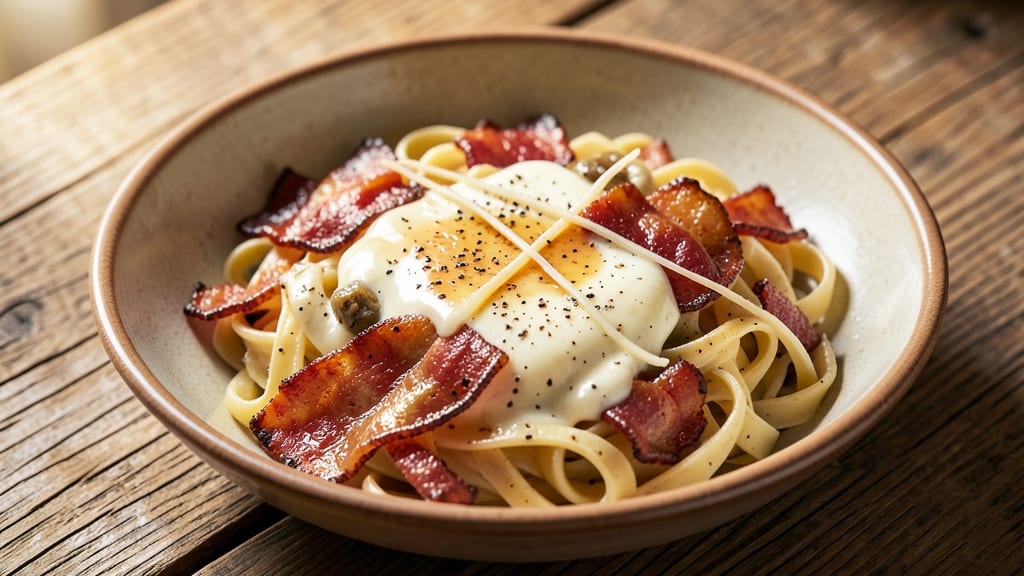
This bacon and cheese pasta recipe delivers the perfect balance of crispy pancetta and melty Gouda, transforming simple ingredients into a restaurant-worthy dish.
The secret lies in cooking the bacon until it's perfectly crisp—no soggy bits here—while the cheese melts into a creamy, stretchy sauce that coats every strand of pasta.
I developed this recipe after years of testing, ensuring the bacon stays crunchy even when tossed with the sauce, and the cheese achieves that ideal pull-apart texture.
The process is straightforward yet rewarding: boil your pasta until al dente, then toss it with the crispy bacon and a rich, cheesy sauce that's both savory and satisfying. The key is timing—adding the pasta to the sauce while still hot ensures it absorbs all the flavors without turning mushy.
This method guarantees a dish that's hearty enough for a weeknight dinner but elegant enough for company, with every bite packed with crispy edges and gooey cheese.
What makes this recipe stand out is the combination of textures—crispy bacon, tender pasta, and velvety cheese—all coming together in one perfect bite. The sauce is simple but deeply flavorful, with a touch of garlic and a splash of cream to round out the richness.
Whether you're feeding a family or treating yourself to a cozy meal, this pasta delivers restaurant-quality results with minimal effort.
Serve it with a simple arugula salad dressed in lemon vinaigrette to cut through the richness, or pair it with garlic bread for an extra indulgent touch. The leftovers reheat beautifully, making it a great option for meal prep. Ready to make this dish your new go-to? Let's get cooking!
Ingredients for bacon and cheese pasta
Crispy pancetta and melty Gouda transform simple pasta into restaurant-quality comfort food.
| Ingredient | Amount | Notes |
|---|---|---|
| Pancetta 🥓 | 6 oz | Thinly sliced, crispy texture preferred |
| Gouda Cheese 🧀 | 1 ½ cups | Shredded, aged Gouda for best melt |
| Heavy Cream 🥛 | ½ cup | Full-fat for creamy sauce |
| Fettuccine 🍝 | 12 oz | Dried or fresh, al dente preferred |
| Garlic Cloves 🧄 | 3 cloves | Minced, fresh preferred |
| Black Pepper 🌶️ | ½ tsp | Freshly ground for best flavor |
| Salt 🧂 | 1 ½ tsp | Kosher or sea salt |
| Butter 🧈 | 2 tbsp | Unsalted, for sauce richness |
| Parmesan Cheese 🧀 | ¼ cup | Freshly grated, for finishing |
| Olive Oil 🫒 | 2 tbsp | For crisping pancetta |
| Red Pepper Flakes 🌶️ | ¼ tsp | Optional, for heat |
| Fresh Basil 🌿 | ¼ cup | Chopped, for garnish |
The pancetta is non-negotiable here—look for thick-cut slices at specialty butchers or Costco for the best texture. Thin slices from the grocery store work, but they won't give you that satisfying crunch. Gouda matters too: aged Gouda (3+ years) melts beautifully, while young Gouda stays too firm. I always grab mine from Whole Foods or Trader Joe's—their pre-shredded version works in a pinch, but freshly grated is ideal. For the pasta, De Cecco or Barilla are my go-tos, but any quality dried fettuccine will do. Fresh pasta cooks faster, so adjust timing accordingly.
No pancetta? Thinly sliced bacon works, but it'll be smokier. Running short on Gouda? Gruyère or sharp cheddar can substitute, though the flavor profile shifts. Heavy cream too expensive? Half-and-half or whole milk works, but the sauce won't be as rich. The garlic can be roasted for a sweeter flavor—toss whole cloves in olive oil at 400°F for 15 minutes, then mince. Fresh basil wilting? Dried basil at one-third the amount is fine, but fresh is worth seeking out for that bright pop of color.
Pancetta keeps for 1 week in the fridge if stored in an airtight container, but it's best used within 3 days for maximum crispiness. Shredded cheese? Freeze it in portions—it'll last months and thaw perfectly. The sauce reheats beautifully, but add a splash of milk or cream to restore creaminess. For meal prep, cook the pasta separately and toss with cooled sauce to prevent mushiness. Store components separately and combine when ready to serve—2-3 days max in the fridge.
Why You'll Love This Recipe
- One-Pan Magic: I swear by this—just toss pancetta and garlic in a skillet, let it sizzle until crispy, then add the fettuccine and simmer. No boiling pasta separately, no extra pots, no stress. That rich Gouda melts right into the heavy cream while you stir, and suddenly, dinner’s ready.
- Salty-Sweet Crunch: The pancetta gets gloriously crispy, while the Gouda adds that sharp, melty bite. Honestly, the contrast is what makes it—crunchy, creamy, and just enough garlic to wake up your taste buds. (Yes, even on a Tuesday night.)
- Lunchbox Hero: Between us, this pasta reheats like a dream. Pack leftovers for work, and it’ll still taste fresh hours later—no sad, mushy noodles here. The cream keeps it rich, and the Gouda stays gooey, so it’s basically a gourmet takeout every time.
- Budget Booster: Pancetta’s cheaper than bacon, and Gouda stretches further than fancier cheeses. A single block lasts me three meals, and the heavy cream adds luxury without breaking the bank. Not the prettiest, but the taste makes up for it—every time.
Step-by-step instructions for crispy pancetta and melty Gouda pasta
Master this technique and you'll achieve perfectly crisp pancetta alongside a rich, velvety cheese sauce every time.
Crisp the Pancetta Until Golden
Heat a large skillet over medium heat and add the 2 tablespoons olive oil. Once shimmering, add the 6 oz pancetta in a single layer, ensuring the slices aren't overlapping. Cook undisturbed for 5-6 minutes until the edges begin to crisp and the fat starts rendering.
This is where the magic happens—resist the urge to stir too soon. You're looking for deep golden brown edges and a crispy texture that releases easily from the pan. Once the pancetta reaches this stage, use tongs to transfer it to a paper towel-lined plate, leaving the rendered fat in the skillet. The fat is liquid gold for your sauce.
Cook the Fettuccine to Al Dente Perfection
While the pancetta crisps, bring a large pot of salted water to a rolling boil. Add the 12 oz fettuccine and cook according to package instructions until 1 minute before al dente. This slight undercooking ensures the pasta finishes perfectly in the cheese sauce.
Before draining, reserve 1 cup of pasta water—this starchy liquid is essential for creating a silky sauce. Drain the pasta and return it immediately to the pot. The residual heat will keep it warm while you prepare the sauce. Toss the pasta with 1 tablespoon of the butter to prevent sticking.
Build the Cheese Sauce from Scratch
Reduce the heat under the pancetta fat to medium-low and add the 3 cloves minced garlic, cooking for 30 seconds until fragrant but not browned. Add the remaining 1 tablespoon butter and stir until melted. Sprinkle in 1 teaspoon salt and 0.25 teaspoon red pepper flakes, stirring to combine.
Gradually whisk in the 1.5 cups shredded Gouda cheese, allowing it to melt completely before adding the 0.5 cup heavy cream. The sauce should begin to thicken as it simmers gently. If it becomes too thick, add reserved pasta water 1 tablespoon at a time until you reach a creamy, coatable consistency. This ensures the sauce clings perfectly to every strand of pasta.
Combine and Finish with Fresh Herbs
Add the cooked fettuccine to the skillet with the cheese sauce and toss vigorously for 2-3 minutes until evenly coated. The residual heat will finish cooking the pasta while infusing it with the rich, cheesy flavor. If the sauce seems too thick, add another splash of pasta water to loosen it.
Remove from heat and stir in the crispy pancetta, breaking it into bite-sized pieces. Finish with the 0.25 cup chopped fresh basil and 0.25 cup grated Parmesan cheese. The basil adds a bright, fresh contrast to the rich, cheesy sauce, while the Parmesan enhances the umami depth. Taste and adjust seasoning with additional salt or black pepper if needed.
Pro Tips For Making Bacon And Cheese Pasta
- CRISP THE PANCETTA FIRST: Cook the pancetta until it’s deep golden, not just pink—about 8-10 minutes on medium heat. I used to rush this, and the flavor was always underwhelming. Let those fat pockets render fully so the pasta soaks up the real deal, not just slightly warm bacon.
- GRATE GOUDA FRESH: Skip the pre-shredded stuff—it’s coated with anti-caking agents that make the sauce grainy. Use a box grater right before tossing it into the cream, and save the leftover cheese for sandwiches. Your sauce will melt like silk, not clump like a science experiment.
- SALT THE PASTA WATER LIKE THE SEA: Throw in at least 2 tablespoons of salt per 4 quarts of water—more if you’re using unsalted pancetta. I learned this the hard way when my pasta tasted bland despite all the rich cheese. Trust me, you’ll taste the difference when that al dente bite hits.
- STIR THE CREAM LOW AND SLOW: Warm the heavy cream over low heat while stirring constantly—no splattering, no rushing. I was skeptical until I tried it: high heat curdles the cream faster than you can say "second attempt." Keep it at a gentle simmer, and the sauce will stay velvety, not lumpy.
Serving suggestions for this bacon and cheese pasta
Classic Pairings
Start with a simple arugula salad dressed with 1 tbsp lemon juice, 2 tbsp olive oil, and a pinch of flaky sea salt. The peppery bite cuts through the richness of the pasta beautifully.
I always add toasted pine nuts for crunch and a drizzle of balsamic glaze for sweetness. This combo balances the dish perfectly. 🥗
Garlic Bread
No bacon and cheese pasta is complete without garlic bread. Use a baguette or ciabatta, sliced lengthwise, and fill the cavity with 4 tbsp softened butter mixed with 2 minced garlic cloves, 1 tsp chopped parsley, and a pinch of red pepper flakes.
Toast in the oven at 375°F for 8-10 minutes until golden and crispy. Serve warm with extra sauce for dipping.
Wine Pairings
A crisp Pinot Grigio from Italy complements the dish beautifully, with its bright acidity cleansing your palate between bites. For red wine lovers, a Chianti or Sangiovese adds depth without overpowering the cheese. Avoid heavy, oaky whites or bold tannic reds—they’ll clash with the creamy sauce. 🍷
Extra Cheesy Toppings
Elevate your dish with crispy fried shallots or toasted breadcrumbs for texture. Sprinkle 1 tbsp truffle oil over the top for a luxurious touch, or add crumbled pancetta bits for extra crunch. A final dusting of freshly grated nutmeg enhances the cheese flavor without overpowering it.
Vegetable Sides
Roasted asparagus or broccolini adds freshness and color. Toss 1 bunch asparagus with 1 tbsp olive oil, salt, and pepper, then roast at 425°F for 12-15 minutes until tender-crisp. A squeeze of lemon juice at the end brightens the dish. 🌱
Dessert Pairings
End the meal with something light like affogato—vanilla gelato drowned in a shot of hot espresso. The contrast of hot and cold is refreshing after a rich pasta dish. For a no-bake option, try lemon ricotta cookies** with a hint of zest to cleanse the palate. 🍦
Nutrition facts
Frequently asked questions
Can I substitute pancetta with regular bacon?
Yes, you can use regular bacon, but expect a smokier flavor and slightly different texture. For best results, opt for thin-cut bacon and cook it until fully crispy. Pancetta has a milder taste and stays crispier when tossed with the pasta, so if you're using bacon, you might want to add an extra 1/2 teaspoon of smoked paprika to mimic the depth of flavor.
Why does my cheese sauce get grainy?
Grainy cheese sauce usually happens when the cheese melts too quickly or isn't incorporated properly. To fix this, melt the cheese over low heat and stir constantly. If it starts to separate, remove it from heat and whisk in 1 tablespoon of cold pasta water to smooth it out. For extra creaminess, add 1/4 cup of heavy cream to the sauce as it thickens.
How do I make this pasta extra cheesy?
For a richer, cheesier version, add 1/2 cup of cream cheese or 1/4 cup of sour cream to the sauce along with the Gouda. You can also fold in 1/4 cup of shredded Parmesan at the end for extra umami. For a decadent twist, top with crispy fried shallots or toasted breadcrumbs before serving.
Can I make this ahead of time?
Yes, but it's best to cook the pasta and sauce separately. Store the cooked pasta in the fridge for up to 2 days, and keep the cheese sauce in a separate container. When ready to serve, reheat the sauce gently and toss it with the pasta, adding a splash of pasta water if needed. For crispy pancetta, cook it fresh before serving to maintain its texture.
What’s the best way to reheat leftovers?
Reheat the pasta in a skillet over medium-low heat with a splash of milk or cream to restore creaminess. If the sauce seems too thick, add a little pasta water to loosen it. For extra crispiness, sprinkle fresh pancetta bits on top while reheating. Avoid microwaving, as it can make the sauce watery.