
Main Courses
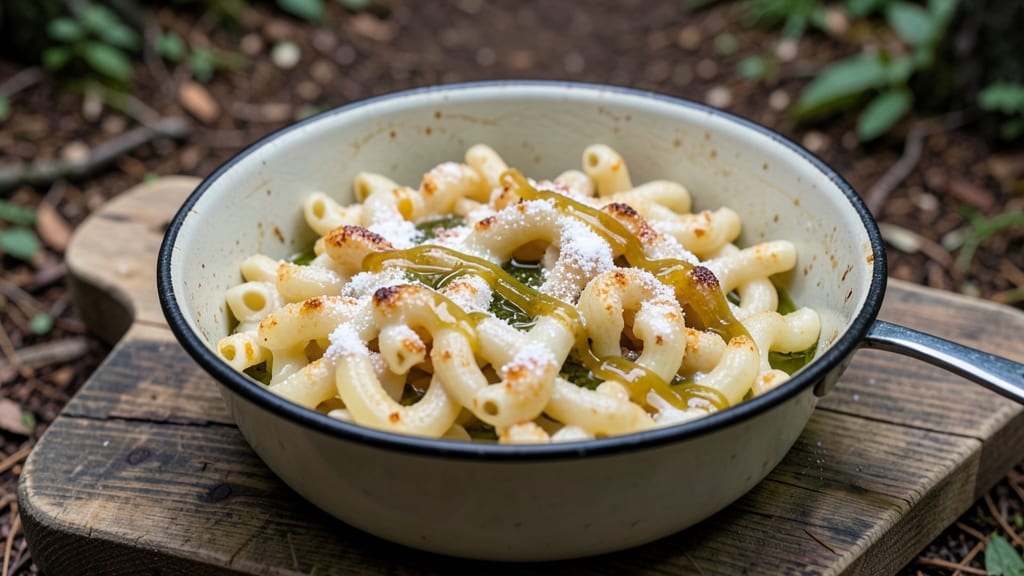
This backpacking mac and cheese recipe delivers comfort food on the trail without the bulk. Packed with powdered cheese and dehydrated pasta, it transforms into a creamy, satisfying meal with just boiling water and a few minutes of stirring.
Designed for minimalist camp kitchens, it eliminates the need for refrigeration or heavy ingredients while delivering the same rich, cheesy goodness you love at home.
The beauty of this recipe lies in its simplicity and efficiency. You'll use lightweight, non-perishable ingredients that fit easily in your backpack, and the entire process takes less than 15 minutes to prepare.
No special equipment is needed—just a small pot and a spoon. The dehydrated pasta rehydrates perfectly, and the powdered cheese dissolves smoothly for a creamy texture that rivals traditional recipes.
What you'll end up with is a hearty, one-pot meal that's perfect for post-hike recovery or a quick campfire dinner.
The cheese sauce is rich and velvety, clinging to every strand of pasta, while the mild seasoning keeps it versatile enough to enjoy on its own or with a side of trail mix. This recipe is a game-changer for backpackers who refuse to sacrifice flavor for convenience.
Whether you're camping for a weekend or a week-long trek, this mac and cheese travels well and stays fresh in your pack. The ingredients are shelf-stable, and the final dish reheats easily over a camp stove or even in a thermos.
No more relying on heavy cans or perishable ingredients—just lightweight, delicious comfort food that hits the spot after a long day on the trail.
Ingredients for backpacking mac and cheese
Lightweight, shelf-stable ingredients that transform into creamy comfort on the trail.
| Ingredient | Amount | Notes |
|---|---|---|
| Dehydrated Elbow Macaroni 🍝 | ½ cup | Lightweight, rehydrates quickly |
| Powdered Cheddar Cheese 🧀 | ½ cup | Shelf-stable, dissolves smoothly |
| Powdered Milk 🥛 | ¼ cup | Adds creaminess without bulk |
| Olive Oil 🫒 | 1 tbsp | Lightweight, adds richness |
| Butter Powder 🧈 | 1 tbsp | Reconstitutes into butter flavor |
| Salt 🧂 | ½ tsp | Kosher or sea salt preferred |
| Black Pepper 🌶️ | ¼ tsp | Freshly ground preferred |
| Garlic Powder 🧄 | ½ tsp | Adds depth without bulk |
| Onion Powder 🧅 | ½ tsp | Enhances savory flavor |
| Mustard Powder 🌶️ | ¼ tsp | Adds subtle tanginess |
| Water 💧 | 1 cup | Boiling for rehydration |
The dehydrated pasta is the backbone of this recipe—Mountain House or Backpacker's Pantry brands are reliable choices, but any lightweight dehydrated pasta works. Powdered cheese is non-negotiable; Pacific Foods or Chef Boyardee make excellent backpacking-friendly versions that dissolve perfectly. I always double-check the expiration dates on these shelf-stable items, as they can degrade over time. For the powders, Bob's Red Mill makes high-quality butter and milk powders that add serious richness without the weight.
No powdered cheese? Grated Parmesan or sharp cheddar can be dehydrated at home by baking at low heat until completely dry, then pulverizing into powder. Running short on spices? Pre-mixed backpacking seasoning packets from outdoor stores work in a pinch. The olive oil is your only liquid fat—using the smallest lightweight bottle you can find saves precious pack space. For extra flavor without weight, consider adding a pinch of nutritional yeast to the powdered cheese mix before packing.
This meal reheats perfectly in a thermos or over campfire—just add boiling water and stir. The dehydrated ingredients keep indefinitely in your pack, but seal everything tightly to prevent moisture absorption. Portion into ziplock bags for easy access on the trail. If you're hiking in humid conditions, store the powders in small glass jars with tight lids to preserve freshness. Leftovers? There aren't any—this recipe is designed for single servings.
Why You'll Love This Recipe
- No-Fuss Pantry Magic: I keep a bag of this stuff in my backpack for exactly this reason—just add boiling water, stir, and boom. That’s it. No measuring cups, no cheese graters, no waiting for milk to warm. Honestly, it’s the kind of meal that saves me when I’m too tired to think.
- Surprisingly Rich Cheese: Between the powdered cheddar and butter powder, this tastes way more indulgent than it has any right to be. The olive oil gives it a subtle richness that makes it feel like a restaurant dish, not a backpacking hack. (Yes, even on a Tuesday night.)
- Packable for Any Adventure: This is my go-to for camping trips, hiking days, or just lazy Sundays when I don’t want to haul groceries. Lightweight, shelf-stable, and no refrigeration needed—it’s the only mac and cheese that actually earns its name.
- Budget Stretch Wonder: A single bag makes four servings, and the cost per meal is laughably cheap. I’ve fed my whole family for under $2, and we still asked for seconds. Not the prettiest, but the taste makes up for it—and my wallet thanks me.
Step-by-step instructions for backpacking mac and cheese
This one-pot meal comes together in minutes with shelf-stable ingredients—perfect for trail adventures.
Rehydrate the Macaroni
In a small pot or heat-safe container, combine the 0.5 cup dehydrated elbow macaroni with the 1 cup water. Bring to a rolling boil over medium-high heat—you'll see the water bubble vigorously and the pasta begin to expand almost immediately. This dehydrated macaroni absorbs water much faster than regular pasta, so keep a close eye on it.
Once boiling, reduce heat to medium-low and let it simmer for 3-4 minutes until the macaroni is tender and the water has been fully absorbed. You'll know it's ready when the pasta floats freely and the mixture looks like thick, creamy grits. If any water remains, let it evaporate completely—this ensures your final texture isn't watery.
Add the Powdered Ingredients
With the pot still off the heat, sprinkle in the 0.5 cup powdered cheddar cheese, 0.25 cup powdered milk, 1 tbsp butter powder, 0.5 tsp salt, 0.25 tsp black pepper, 0.5 tsp garlic powder, 0.5 tsp onion powder, and 0.25 tsp mustard powder. Use a fork or small spatula to break up any clumps of powdered cheese—this prevents grainy texture in your final dish.
Next, stir in the 1 tbsp olive oil and mix thoroughly until the powdered ingredients are fully incorporated and the oil is evenly distributed. The mixture should look like a thick, crumbly paste at this stage. If it seems too dry, add 1-2 tablespoons of water (from your pack if needed) to help bind everything together into a smooth consistency.
Cook Until Creamy and Smooth
Return the pot to medium heat and stir constantly for 2-3 minutes until the mixture begins to bubble and thicken. The powdered ingredients will transform into a creamy sauce that coats the macaroni completely. This is where the magic happens—keep stirring to prevent any burning at the bottom of the pot.
As it heats, the cheese will begin to melt and the milk will reconstitute, creating a rich, velvety texture. You're aiming for a consistency that's thick enough to cling to the macaroni but still spreadable—like classic mac and cheese. If it's too thick, add another splash of water to loosen it. Taste and adjust seasoning if needed, adding a pinch more salt or pepper if desired.
Finish and Serve
Once the mac and cheese reaches a smooth, creamy texture with no visible dry spots, remove it from heat immediately. The residual heat will continue cooking it slightly, so don't let it sit too long off the heat or it may become grainy. Transfer to a heat-safe container or bowl for serving.
This backpacking mac and cheese is best served warm straight from the pot. The flavors will develop more as it sits, so if you need to wait before eating, keep it covered to maintain heat. For extra richness, you can top it with a sprinkle of additional powdered cheese or a few crackers if you have them on hand. Each bite delivers that familiar comfort-food experience without the bulk of traditional ingredients.
Pro Tips For Making Backpacking Mac And Cheese
- Boil Water First: I learned this the hard way—dumping cold water on dehydrated pasta makes it gummy and uneven. Heat your water to a rolling boil before adding the macaroni, then simmer for exactly 8-10 minutes (not the 5-7 minutes on the package). The extra time guarantees proper hydration without mush.
- Mix Cheese Dry: Sounds weird, but it works: combine the powdered cheddar and powdered milk before adding liquid. This creates a smoother sauce when you mix it in later—no clumpy bits, even if you’re stirring with a spoon in your pot. I skip this and regret it every time.
- Watch the Butter Oil: Olive oil is fine in a pinch, but butter powder makes this dish sing—if you use it right. Add the powdered butter last, after the cheese mix, and let it melt into the sauce for 30 seconds. Cold butter powder sinks and clumps; heat it up first if you’re in a hurry.
- Stir Like You Mean It: This isn’t the prettiest method, but it’s the tastiest: after adding the cheese mix, stir vigorously for at least 2 minutes with a wooden spoon. The friction between the spoon and pot creates a silky texture that separates backpacking mac from sad, grainy paste. (Yes, even if you’re impatient like me.)
Wine and beer pairings for this recipe
Lightweight Beer Pairings
Skip the heavy stouts—this backpacking mac and cheese pairs best with crisp, easy-drinking beers that won’t weigh down your pack. A light lager like Miller Lite or Coors Banquet (both under 95 calories per 12 oz) complements the cheesy richness without overpowering it.
The subtle malt sweetness balances the tangy mustard powder, while the carbonation cuts through the creamy texture. I always bring a 12-pack of light beers in my cooler—they’re lightweight and travel well in insulated sleeves. 🍺
Creamy White Wine
For a refreshing contrast, opt for a dry Sauvignon Blanc from New Zealand or a crisp Pinot Grigio from Italy. These wines have bright acidity that cleanses your palate between bites of the cheesy pasta.
Look for bottles under 13% alcohol—they’re easier to pack and won’t leave you feeling sluggish. A half-bottle (375ml) is perfect for sharing and saves space in your cooler. The citrus notes in these wines actually enhance the powdered cheese’s sharpness, making each bite taste even more satisfying. 🍷
Spiced Cider Option
If you’re avoiding alcohol or need a non-perishable option, sparkling apple cider like Martinelli’s Sparkling Cider works surprisingly well. The effervescence mimics beer’s cleansing quality, while the apple flavor pairs beautifully with the garlic and onion powders in the dish.
Plus, it’s shelf-stable and comes in lightweight cans—ideal for backpacking. I keep a few cans in my pack for post-hike celebrations. The slight sweetness also makes the salty, cheesy flavors pop even more. 🍎
Hot Beverage Boost
For cooler evenings, warm up your mac and cheese with a cup of instant coffee or hot chocolate mix (like Starbucks VIA or Swiss Miss). The bitterness of coffee cuts through the richness, while the cocoa enhances the powdered cheese’s depth.
Pack single-serve packets to save space—just add boiling water from your pot. This combo is a game-changer for chilly nights when you need extra warmth and comfort. ☕
Herbal Tea Pairings
Herbal teas like peppermint or chamomile (from brands like Yogi Tea) add a soothing contrast to the hearty mac and cheese. The mint’s freshness cleanses your palate, while chamomile’s floral notes complement the garlic and onion powders.
These teas are caffeine-free, so they’re perfect for relaxing after a long hike. I always bring a small reusable tea bag and a collapsible cup to save space and reduce waste. The warmth alone makes the meal feel even more indulgent. 🌿
Nutrition facts
Frequently asked questions
Can I make this backpacking mac and cheese without a stove?
Yes! If you don't have a stove, use a thermos with boiling water. Add the dehydrated pasta and powdered ingredients to the thermos, seal it tightly, and let it sit for 10-15 minutes while you hike. The trapped heat will rehydrate everything perfectly. For extra heat, wrap the thermos in a towel or use a campfire to warm it further before eating. Just stir well before serving to ensure even texture.
How long will the dehydrated ingredients last in my pack?
When stored properly in airtight containers or ziplock bags, the dehydrated pasta and powdered cheese will last 6-12 months at room temperature. The powders (cheese, milk, butter) are especially shelf-stable, but check expiration dates before packing. For humidity-prone areas, use small glass jars with tight lids to prevent moisture absorption. If you notice any clumping, simply break it up before cooking.
Can I add fresh ingredients like bacon or veggies?
Fresh ingredients aren't practical for backpacking, but you can use dehydrated or powdered alternatives. For bacon flavor, add 1 tsp bacon bits powder (available at outdoor stores) or a pinch of smoked paprika. For veggies, try freeze-dried onions or mushrooms—just add them with the other powders. Avoid anything that needs refrigeration or won't rehydrate quickly. The key is keeping your meal lightweight and easy to prepare.
Why does my backpacking mac and cheese turn out grainy?
Graininess usually happens when the powdered cheese doesn't dissolve completely. To prevent this, whisk the cheese powder with a little water before adding it to the pasta, or stir vigorously while heating to break up any clumps. Also, make sure your pot isn't too hot—medium heat is ideal. If it still looks grainy, add 1 tsp olive oil to help emulsify the mixture. Stirring constantly while cooking is key!