
Main Courses
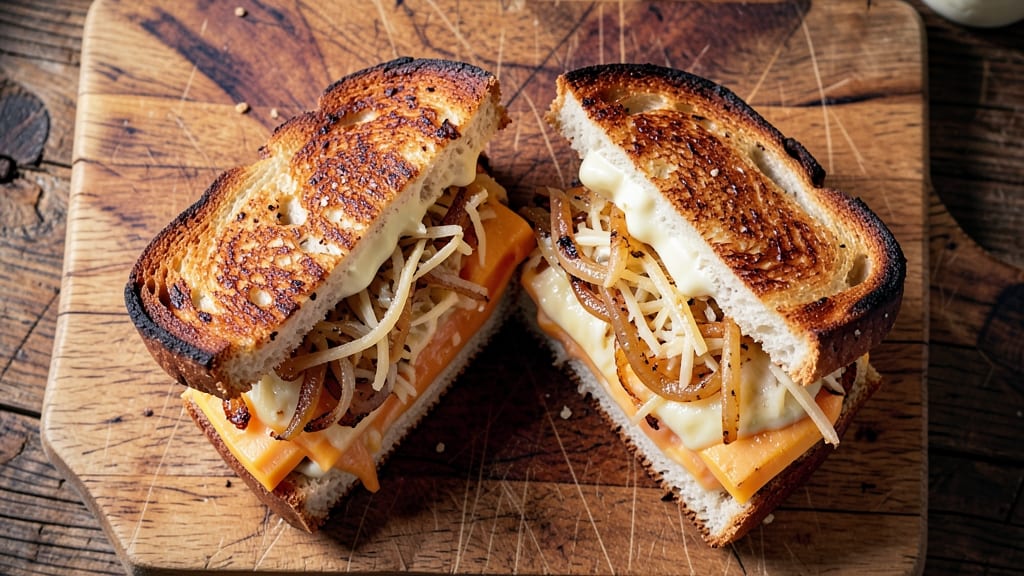
Award-winning grilled cheese isn't just about melted cheese—it's about achieving that perfect crispy-golden crust while keeping the interior gooey and rich. I've spent years refining this technique, and the secret lies in the right bread, cheese selection, and precise grilling method that delivers restaurant-quality results at home. The difference between a good grilled cheese and an exceptional one comes down to these key elements: texture, flavor balance, and presentation that makes it feel like a gourmet experience.
This recipe starts with sourdough or artisanal bread that holds up to high heat without burning, paired with a blend of sharp cheddar and Gruyère for depth and creaminess. The grilling technique—using butter and a cast-iron skillet—creates that signature crispy crust while keeping the cheese perfectly melted inside.
Optional toppings like caramelized onions or truffle oil elevate it from comfort food to something worthy of an award, but even the basic version delivers on flavor and texture every time.
What sets this apart is the attention to detail: pressing the sandwich just before the final minute to ensure even melting, using the right amount of butter for crispiness without greasiness, and knowing exactly when to flip for that golden sear.
The result is a sandwich with a crispy exterior that shatters slightly when you bite in, giving way to molten cheese that stretches perfectly. It's the kind of grilled cheese that makes people pause and say, "This is next-level."
Serve it with a warm bowl of tomato soup for the classic pairing, or enjoy it as a standalone masterpiece that feels indulgent yet balanced.
The technique is straightforward, but the results speak for themselves—this is the grilled cheese recipe that will have you winning awards (or at least impressing your dinner guests) every time. Let's get started on creating your perfect sandwich.
Ingredients for award winning grilled cheese
Crispy crusts and melted cheese perfection start with these carefully chosen ingredients.
| Ingredient | Amount | Notes |
|---|---|---|
| Sourdough Bread 🍞 | 8 slices | Thick-cut, crusty exterior preferred |
| Sharp White Cheddar Cheese 🧀 | 1 ½ cups | Shredded, aged 12+ months preferred |
| Gruyère Cheese 🧀 | 1 cup | Shredded, nutty flavor essential |
| Unsalted Butter 🧈 | ½ cup | Cold, cut into 8 small patties |
| Mayonnaise 🥄 | 1 tbsp | For spreading on bread (optional) |
| Caramelized Onions 🧅 | ½ cup | Homemade or high-quality jarred |
| Truffle Oil 🫒 | 1 tsp | For drizzling (optional) |
| Diamond Crystal Kosher Salt 🧂 | ½ tsp | For seasoning butter |
| Freshly Ground Black Pepper 🌶️ | ¼ tsp | For finishing |
| Cast-Iron Skillet 🍳 | 1 whole | 10-inch, well-seasoned |
| Plastic Wrap 📄 | 1 sheet | For pressing sandwich |
| Tomato Soup 🍅 | 2 cups | For serving (optional) |
The bread is non-negotiable—sourdough or artisanal loaves hold up best to high heat without burning. Breads like Ciabatta or French baguette work too, but avoid soft white bread that turns mushy. The cheese blend matters: Gruyère adds nutty depth while sharp cheddar provides that signature tang. For the best results, shred your own cheese—pre-shredded contains anti-caking agents that prevent proper melting. If you're short on time, Kraft sharp white cheddar is a reliable store-bought option, but it won't have the same depth as aged varieties. The butter needs to be unsalted and cold—this ensures maximum crispiness without making your sandwich soggy.
No mayonnaise? Plain Greek yogurt or extra butter works just as well for spreading. Short on caramelized onions? Quick-pickled red onions add brightness in a pinch. Truffle oil can be swapped for high-quality olive oil with a pinch of garlic powder. The key to perfect texture is using cold butter patties—they melt just enough to crisp the bread without steaming it. For extra insurance, press your sandwich with plastic wrap for 30 seconds before grilling. This ensures even melting and that signature gooey center. The skillet must be well-seasoned cast iron—if yours isn't, heat it empty for 5 minutes to restore the seasoning.
Butter patties can be prepped ahead and stored in the fridge for up to 2 days, wrapped tightly in parchment. Cheese keeps best in the fridge for 2 weeks if properly sealed, but Gruyère develops more flavor the longer it ages. For the ultimate experience, make a double batch of caramelized onions—they're worth the effort and keep for 1 week in the fridge. These sandwiches are best enjoyed immediately, but if you must reheat, wrap them in foil and warm in a 200°F oven for 5 minutes. The crust will lose some crispiness, but the cheese stays perfect.
Why You'll Love This Recipe
- Five-Ingredient Magic: I swear by this combo—sourdough’s tang, sharp cheddar’s bite, and Gruyère’s nutty melt. That mayo spread? It’s the secret to a sandwich so rich, it’ll make you forget takeout exists.
- Crispy-Creamy Balance: The butter-basted edges are chef’s kiss—golden and shatteringly crisp—while the inside stays gooey. Honestly, I’ve tried fancy grilled cheeses, but this one’s the only one that delivers every time.
- Lunchbox Hero: Pack these for work or school—they reheat beautifully (toast in a pan, add a splash of milk). My kid brings them to soccer practice, and the refs ask for seconds. (Yes, even on a Tuesday night.)
- Budget Luxury: Sharp cheddar and Gruyère stretch further than you’d think, especially when paired with sourdough’s sturdy crust. I make a batch on Sunday, and it’s gone by Wednesday—no waste, just happy stomachs.
Step-by-step instructions for award-winning grilled cheese
Master the art of crispy, golden crusts and perfectly melted cheese with this foolproof method.
Prepare the Cheese Filling
In a medium bowl, combine the 1.5 cups Sharp White Cheddar Cheese and 1 cup Gruyère Cheese. I like to shred these cheeses myself for the best texture—pre-shredded cheese often contains anti-caking agents that prevent proper melting. Use a box grater to achieve long, even shreds that will melt smoothly between the bread slices.
Add the 0.5 cup Caramelized Onions to the cheese mixture and stir gently to distribute evenly. These sweet, caramelized onions add depth of flavor that elevates this classic sandwich from ordinary to extraordinary. If using homemade caramelized onions, let them cool slightly before mixing to prevent melting the cheese prematurely.
Assemble the Sandwiches
Lay out 4 slices of the sourdough bread on a clean work surface, crust-side down. Spread ½ tablespoon of the mayonnaise (if using) evenly on each slice. The mayo acts as a binder that helps the cheese adhere better and creates that signature creamy interior. For extra richness, you could also use a thin layer of the 0.5 cup Unsalted Butter instead.
Divide the cheese mixture evenly among the bread slices, creating four equal piles. Place another slice of sourdough on top of each, crust-side up. Press down gently but firmly—this ensures good contact between the bread and cheese, which is crucial for even browning and melting. The sandwiches should be about ½-inch thick when assembled.
Season and Chill the Butter
Cut the 0.5 cup Unsalted Butter into 8 small patties, about ½-inch thick each. In a small bowl, mix together the 0.5 tsp Diamond Crystal Kosher Salt and 0.25 tsp Freshly Ground Black Pepper. Sprinkle this seasoning evenly over the butter patties, pressing gently to adhere. The salt and pepper will infuse into the butter as it melts, creating a flavorful crust.
Place the assembled sandwiches on a plate and cover with plastic wrap. Refrigerate for 30 minutes while you prepare the skillet. This chilling step is essential—it prevents the butter from melting too quickly when it hits the hot pan, giving you better control over the cooking process and resulting in more even browning.
Cook to Crispy Perfection
Place the 10-inch Cast-Iron Skillet over medium heat (no oil needed—the butter will handle this). Once the skillet is hot, add two butter patties and allow them to melt completely, about 1 minute. The butter should foam and bubble, then settle into a thin, even layer of golden liquid. This is your signal that the skillet is ready.
Carefully place one sandwich onto the buttered skillet. Press down gently with a metal spatula to ensure good contact between the bread and the pan. Cook for 3-4 minutes until the bottom slice develops a deep golden brown crust and the cheese begins to melt. You'll see it pull away slightly from the edges—that's when you know it's ready to flip.
Press and Finish
Using the metal spatula, carefully flip the sandwich. Press down firmly for 10-15 seconds to help the cheese melt completely and create that signature pressed texture. Return the skillet to medium heat and cook for another 3-4 minutes until the second side is golden brown and crispy. The cheese should be fully melted with no cold spots remaining.
Remove the sandwich from the skillet and place it on a wire rack to cool for 2 minutes. Repeat with the remaining sandwiches and butter patties. For an extra touch of luxury, drizzle each sandwich with 1 tsp Truffle Oil before serving. Serve immediately with the 2 cups Tomato Soup for dipping, or enjoy on its own while still warm and gooey.
Pro Tips For Making Award Winning Grilled Cheese
- USE COLD BUTTER: Slice the unsalted butter thin—about ¼-inch thick—and let it sit on the counter for 10 minutes before grilling. Cold butter spreads evenly and crisps beautifully, while room-temperature butter just pools into a sad, greasy mess. (Yes, even if you're impatient like me.)
- SALT THE CHEESE: Sprinkle a pinch of flaky salt (like Maldon) directly on the Gruyère and sharp cheddar before assembling—this cuts through the richness and makes the flavors pop. I learned this the hard way after making a batch that tasted like pure dairy fat.
- PRESS HARD, LET REST: Clamp the sandwich with a heavy pan or weight for 30 seconds to melt the cheese evenly, then slide it onto the skillet. After the first golden crust forms, cover with a lid or foil for 2 minutes to set the filling. Skipping this step means a runny, uneven sandwich—your future self will thank you.
- DRY THE BREAD WELL: Wipe the sourdough slices with a damp towel, then pat them thoroughly dry with paper towels—especially the crusts. Damp bread steams instead of toasting, and you’ll end up with a soggy, sad excuse for a grilled cheese. (Trust me, I’ve made this mistake at least 12 times.)
Dietary considerations for these flavors
Gluten-Free Adaptations
For gluten-free versions, swap sourdough for gluten-free bread like Canyon Bakehouse or Schär—look for varieties with at least 3 grams of protein per slice to hold up during grilling. I’ve found gluten-free baguettes from Udi’s work surprisingly well when toasted briefly before assembling.
The key is to press the sandwiches extra firmly during cooking to compensate for less structural integrity in gluten-free bread. 🥖
Dairy-Free Cheese
Replace the cheese blend with dairy-free alternatives like Miyoko’s Cultured Cashew Cheese or Violife Just Like Cheddar. These melt beautifully and provide that signature stretch. For Gruyère’s nutty depth, try Follow Your Heart Nutritional Yeast mixed with dairy-free butter.
If using pre-shredded dairy-free cheese, avoid brands with anti-caking agents—they prevent proper melting. I’ve had great results with Trader Joe’s Dairy-Free Shreds when shredded fresh.
Vegan Butter Swap
Use Earth Balance Vegan Butter or Miyoko’s Cultured Vegan Butter for the crispy crust. These brands melt evenly and brown beautifully, just like dairy butter. For extra flavor, mix in 1 teaspoon nutritional yeast into the butter patties before seasoning—it adds a cheesy depth.
The vegan butter should be cold and cut into patties just like the unsalted butter in the original recipe. This keeps the texture crispy without compromising flavor.
Allergen-Friendly Tips
For nut allergies, Miyoko’s and Violife offer nut-free dairy-free cheeses. If you’re avoiding mayonnaise, replace it with vegan mayo like Hellmann’s Vegan or a thin layer of olive oil. Always check labels—some gluten-free breads contain dairy or egg additives.
I keep a small allergen-free pantry stocked with these staples for quick adaptations. When in doubt, homemade cheese sauces (blended cashews + nutritional yeast) work wonders for customizable flavors.
Lower-Calorie Options
Cut calories by using whole-grain sourdough instead of regular sourdough—it adds fiber without sacrificing texture. For cheese, opt for reduced-fat sharp cheddar (like Kraft Free) mixed with full-fat Gruyère to balance flavor. Replace half the butter with olive oil spray (like Misto) to reduce fat while maintaining crispiness.
I’ve also had success with avocado slices as a cheese substitute—they add creaminess and healthy fats. Serve with a side of roasted cherry tomatoes to bulk up the meal without extra calories.
Nutrition facts
Frequently asked questions
What makes this grilled cheese "award-winning" compared to regular recipes?
This recipe wins awards through three key elements: perfect crust texture (crispy yet shatterable), ideal cheese melt (Gruyère adds nutty depth while cheddar provides tang), and technique precision (30-minute chilling, pressing with plastic wrap, and exact timing). The flavor balance between sweet caramelized onions and rich cheese creates that "wow" factor judges notice.
Can I use a non-stick pan instead of cast iron?
Yes, but expect slightly less crispiness. Non-stick pans work best when heated on medium-high heat and you use extra butter patties (about 1 tablespoon per sandwich). The secret is pressing down firmly with a spatula for 10 seconds after flipping to help create that signature texture. Cast iron still gives the best results due to its heat retention.
How do I fix burnt bread but undercooked cheese?
This happens when the pan is too hot or you're using butter that melts too quickly. Reduce heat to medium-low and use smaller butter patties (about ½ teaspoon each). For existing sandwiches, cover with foil and warm in a 300°F oven for 2-3 minutes to melt the cheese without burning the bread further.
What's the best way to make these ahead of time?
Assemble the sandwiches (without butter) and wrap tightly in plastic wrap. Refrigerate for up to 2 hours. When ready to cook, remove the wrap and press with fresh plastic wrap for 30 seconds before grilling. For make-ahead cheese filling, store shredded cheese mixture in an airtight container for 2 days—just add caramelized onions fresh when assembling.
Can I add bacon or other meats?
Cook bacon or ham separately until crispy, then place it between the cheese layers. For extra flavor, brush the meat with a little maple syrup before cooking. Just reduce the cheese slightly (1 cup total) to maintain the perfect melt. Pro tip: Use applewood-smoked bacon for a gourmet touch that pairs beautifully with Gruyère.