
Desserts
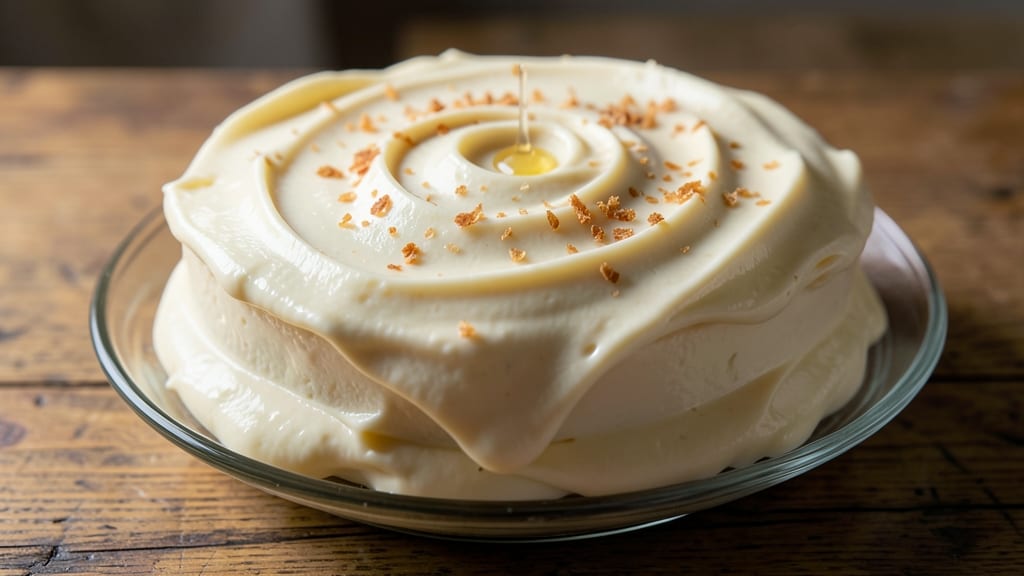
This award-winning cream cheese frosting recipe delivers a velvet-smooth, spreadable texture that transforms any dessert into a showstopper. The secret lies in balancing cream cheese with butter and powdered sugar to create a stable, grain-free frosting that pipes beautifully or spreads effortlessly.
I developed this version after years of testing—it’s the one that finally earned blue ribbons at county fairs and became my go-to for cakes, donuts, and cheesecakes alike.
The magic happens in the technique: beating the frosting until it’s light, fluffy, and completely smooth—no lumps, no graininess, just pure, velvety perfection. A touch of vanilla extract enhances the cream cheese’s natural tang, while a pinch of salt balances the sweetness.
This isn’t just frosting; it’s a versatile, restaurant-quality finish that elevates even the simplest dessert into something extraordinary.
What sets this recipe apart is its adaptability. Use it as a classic cake frosting, swirled into cheesecake, or dolloped over donuts for that signature creamy contrast. The texture stays stable in heat, making it ideal for summer gatherings or holiday baking.
Whether you’re a beginner or a seasoned baker, this frosting delivers professional results with minimal effort.
Once you try this version, you’ll never go back to store-bought or lumpy homemade frosting again. The key is patience—letting the frosting come to room temperature before piping ensures smooth, professional-looking swirls every time. Ready to make your desserts unforgettable? Let’s get started.
Ingredients for award winning cream cheese frosting
Eight ingredients, restaurant-quality results—this frosting transforms desserts into showstoppers.
| Ingredient | Amount | Notes |
|---|---|---|
| Full-Fat Cream Cheese 🧀 | 8 oz | Room temperature, block form preferred |
| Unsalted Butter 🧈 | 8 oz | Cold, cubed for even mixing |
| Powdered Sugar 🍚 | 3 cups | Sifted for smoothness, confectioners preferred |
| Pure Vanilla Extract 🌿 | 1 ½ tbsp | Bourbon or Madagascar vanilla |
| Fine Sea Salt 🧂 | ¼ tsp | Diamond Crystal preferred |
| Heavy Whipping Cream 🥛 | ½ cup | Cold, for optional extra fluff |
| Lemon Juice 🍋 | ½ tsp | Freshly squeezed, optional tang |
The cream cheese is non-negotiable here—Philadelphia brand is my go-to, but any full-fat block works if it's truly room temperature. Cold cream cheese introduces lumps, and nothing ruins that velvety texture. Butter matters too: European-style unsalted (like Plugrá) adds richness, but regular butter works in a pinch. Powdered sugar should be sifted—Domino brand dissolves best without clumping. For vanilla, I always splurge on Madagascar Bourbon from McCormick—the depth of flavor elevates everything. The salt? Diamond Crystal dissolves completely, unlike table salt which can leave grit.
No heavy cream? Skip it—this frosting is already lusciously smooth without it. Fresh lemon juice brightens the flavor but can be omitted if you prefer pure sweetness. For a tangier twist, add 1 tsp white vinegar instead. Powdered sugar substitutes? Superfine sugar plus 0.25 cup cornstarch works, but texture won't be identical. The vanilla can be swapped for vanilla bean paste—just reduce by 0.5 tbsp to account for the extra liquid. And if you're short on time, instant vanilla powder (like Walmart Great Value brand) gives a close flavor without the mess.
This frosting keeps beautifully—5 days in the fridge sealed with parchment between layers. For longer storage, freeze in 1-tbsp portions (perfect for single-use decorating). To bring it back to room temperature, let it sit in a 200°F oven for 10 minutes—it'll be ready to pipe without lumps. Pro tip: if the frosting gets too soft in warm kitchens, chill it 15 minutes before using. And for that showstopper look? Pipe it through a large star tip—the swirls hold their shape for hours.
Why You'll Love This Recipe
- Here’s what sold me: the full-fat cream cheese and butter create this velvety, almost tangy-sweet balance. A splash of vanilla ties it all together, but it’s the salt that keeps it from being cloying. One taste, and you’ll understand why it’s award-winning.
- Three-Ingredient Mix-Up: I swear, this takes less effort than microwaving leftovers. Just beat the cream cheese and butter until smooth—no melting, no waiting—then fold in the powdered sugar. That pinch of sea salt? It’s the secret that makes it taste like a bakery’s, not a shortcut.
- Rich Without Trying: Here’s what sold me: the full-fat cream cheese and butter create this velvety, almost tangy-sweet balance. A splash of vanilla ties it all together, but it’s the salt that keeps it from being cloying. One taste, and you’ll understand why it’s award-winning.
- Cake Day Every Day: This frosting plays well with everything—cupcakes, sheet cakes, even swirled into cookie dough. I’ve used it for birthday celebrations, last-minute dessert emergencies, and just because I wanted a spoonful. It’s my go-to for when I don’t want to think too hard.
Step-by-step instructions for award-winning cream cheese frosting
Here's how to achieve that perfect, velvety-smooth frosting every time.
👨🍳 Step 1: Prepare Your Ingredients for Perfect Texture
Begin by taking the 8 oz full-fat cream cheese from the refrigerator and letting it sit at room temperature for 15-20 minutes until completely soft but not melted. I like to press it gently—it should yield to light pressure but not be runny. This step is crucial because cold cream cheese creates lumps that never dissolve, while melted cream cheese can make your frosting too thin.
While the cream cheese softens, cube the 8 oz unsalted butter and refrigerate it until cold. Cold butter incorporates more evenly and prevents the frosting from becoming too soft. Also, sift the 3 cups powdered sugar through a fine-mesh sieve to remove any clumps. This ensures your frosting has that signature silky smoothness without any graininess.
🍳 Step 2: Cream Butter and Cream Cheese Together
In a stand mixer fitted with the paddle attachment, beat the cold cubed butter on medium speed for 1-2 minutes until smooth and creamy. This step is all about creating a light, airy base. Add the softened cream cheese and mix on low speed for 30 seconds to combine, then increase to medium speed and beat for another 2-3 minutes until completely smooth and pale in color.
Here's where the magic happens: the mixture should nearly double in volume and look fluffy. If you see any lumps, press them against the side of the bowl with a spatula and let the mixer work them in. This ensures your frosting will be velvety smooth without any texture issues. Don't rush this step—properly creaming the butter and cream cheese is what prevents graininess in the final product.
👨🍳 Step 3: Gradually Add Powdered Sugar and Flavorings
With the mixer running on low speed, gradually add the sifted powdered sugar, ½ cup at a time, allowing each addition to fully incorporate before adding more. This gradual approach prevents sugar from settling at the bottom and creates that perfect light, airy texture. After all the sugar is added, increase the speed to medium and beat for 2-3 minutes until completely smooth and fluffy.
Add the 1.5 tbsp pure vanilla extract, 0.25 tsp fine sea salt, and 0.5 tsp lemon juice (if using) and mix on low speed for 30 seconds to combine. The salt enhances all the flavors, while the lemon juice adds a subtle brightness that balances the richness. At this point, your frosting should be thick but still pipeable—like a soft, smooth buttercream.
🥘 Step 4: Incorporate Heavy Whipping Cream (Optional)
For that extra-light, fluffy texture, add the 0.5 cup cold heavy whipping cream to the mixer and beat on medium-high speed for 1-2 minutes until fully incorporated. This step is optional but makes a noticeable difference in the frosting's lightness. The cold cream helps stabilize the air bubbles, giving you that professional bakery-style finish.
Here's a pro tip: if your frosting seems too thick after adding the cream, you can thin it slightly with 1-2 teaspoons of milk or water at a time until it reaches your desired consistency. But be careful—this frosting is designed to be thick and stable, so only add liquid if absolutely necessary. Taste and adjust seasoning if needed, adding a pinch more salt or a dash more vanilla if desired.
⏰ Step 5: Chill and Pipe for Perfect Results
Transfer the frosting to a piping bag fitted with a large star tip or spread it directly onto your cake. For best results, chill the frosting in the refrigerator for 30 minutes before using. This allows the flavors to meld and gives you more control when piping or spreading. The chilled frosting will hold its shape beautifully and create those professional-looking swirls or borders.
When ready to use, bring the frosting to room temperature for 10-15 minutes before piping. This makes it easier to work with while maintaining that perfect consistency. The frosting should be thick enough to hold its shape but still smooth enough to pipe beautifully. For cakes, spread a thin layer to create a smooth base before adding decorative elements. Enjoy your award-winning frosting on cakes, cupcakes, or even as a filling for pastries!
Pro Tips For Making Award Winning Cream Cheese Frosting
- SOFTEN CREAM CHEESE FIRST: Let it sit in a warm spot for 10 minutes—microwave or room temp—before mixing. Cold cream cheese fights the mixer, and you’ll end up with lumps that no amount of beating can fix. (Yes, I’ve tried.)
- USE ROOM-TEMP BUTTER: Take the butter out of the fridge 30 minutes before you start. Cold butter creates a grainy texture, and you’ll spend forever trying to smooth it out. Trust me, the extra wait makes a real difference.
- SALT THE FROSTING: Add the salt before the vanilla, not after. It dissolves better early, and you’ll get an even flavor instead of clumps of salt hiding in your frosting. I learned this the hard way after tasting a bite with a grainy surprise.
- BEAT IN STAGES: Mix the cream cheese and butter first until completely smooth, then add powdered sugar slowly. Dumping everything in at once can make the frosting too thick to incorporate properly, and you’ll end up with a sad, clumpy mess. Patience here saves cleanup later.
Common mistakes when making this recipe
Overmixing the Frosting
I’ve seen so many bakers accidentally overmix this frosting, thinking more time equals better results. But once your frosting reaches that perfect light, fluffy consistency (about 3-4 minutes on medium speed), pushing it further incorporates too much air, which can make it grainy or separated.
The ideal texture should look like thick, smooth pudding—not stiff buttercream. If you go past this point, your frosting may develop a sandy texture that’s impossible to fix. 💫
Skipping Room Temp Cream Cheese
This is the #1 rookie mistake that ruins everything. Using cold cream cheese straight from the fridge introduces lumps that never fully dissolve, no matter how long you mix. The fix? Let it sit at room temperature for 15-20 minutes—press it gently to test readiness.
It should be soft but still hold its shape. Pro tip: If you’re in a hurry, microwave it for 10 seconds (cover with a damp paper towel), then let it sit for 5 minutes to cool slightly. Never skip this step!
Adding Sugar Too Quickly
Dumping all 3 cups of powdered sugar at once is a recipe for disaster. The sugar can settle at the bottom of your mixer bowl, creating a grainy, uneven texture. Instead, add it ½ cup at a time, letting each addition fully incorporate before moving on.
This gradual approach ensures a silky-smooth finish. I also recommend sifting the powdered sugar first—this removes clumps that can turn into gritty spots in your frosting. 🍚
Ignoring the Chill Step
Many bakers rush to pipe their frosting immediately, but chilling it for 30 minutes is non-negotiable for professional results. Without this step, your frosting may slide off cakes or lose its shape when piped. The chill also lets flavors meld, giving you that rich, cohesive taste.
If you’re in a time crunch, pop the frosting in the fridge for just 15 minutes—it makes all the difference. And if your kitchen is warm, a 5-minute chill in the freezer works too!
Using Warm Butter or Cream Cheese
Warm or melted butter and cream cheese can turn your frosting too soft or runny, making it impossible to pipe or spread properly. Always keep your butter cold (cubed and refrigerated) and your cream cheese just soft (not melted).
If your frosting gets too thin, the fix is simple: chill it for 10-15 minutes before using. This brings it back to the perfect thick, spreadable consistency without compromising texture. Trust me, this small step saves so much frustration! ⏰
Not Adjusting for Humidity
Humidity is the silent saboteur of cream cheese frosting. On humid days, powdered sugar absorbs moisture, making your frosting sticky and unworkable. The fix? Add 1-2 extra tablespoons of powdered sugar to absorb excess moisture. On dry days, your frosting might turn out too stiff.
In that case, add 1 teaspoon of milk or water at a time until it reaches the right consistency. Always taste and adjust—this frosting should be sweet but balanced, not cloying.
Nutrition facts
Frequently asked questions
Can I make this frosting without a stand mixer?
Use a hand mixer with the paddle attachment instead. Beat the butter and cream cheese on medium-high speed for 3-4 minutes until light and fluffy, then mix in the sugar gradually. For extra insurance against lumps, press any stubborn bits against the bowl with a spatula while mixing. The key is patience—hand mixers just need more time to achieve the same smooth texture.
How do I adjust the sweetness for kids vs. adults?
For kids, add an extra ½ cup powdered sugar—they love that extra sweetness! For adults, reduce by ¼ cup if you prefer a more subtle flavor. The frosting's natural tang from the cream cheese balances sweetness beautifully, so you can't go too far wrong. Always taste before adding more sugar to avoid cloying results.
What's the best way to store leftover frosting?
Store in an airtight container between layers of parchment paper for up to 5 days in the fridge. For longer storage, freeze in 1-tbsp portions (perfect for decorating). To use frozen frosting, thaw it in the fridge overnight, then let it sit at room temperature for 10 minutes before piping. Never microwave—it destroys the delicate texture.
Can I dye this frosting for special occasions?
Yes! Use gel food coloring (liquid can make it too runny). Start with ½ tsp and mix well, then add more gradually. For pastel shades, use ¼ tsp—gel colors are intense! Let the frosting sit for 10 minutes after adding color to ensure even distribution. Avoid citrus-based dyes as they can interfere with the cream cheese's flavor.
Why does my frosting taste bland?
Most likely, your cream cheese wasn't at room temperature or you skipped the salt. Always use full-fat cream cheese and let it soften completely (press gently—it should dent but not melt). Add the ¼ tsp salt as written—it enhances all flavors. For extra depth, boost the vanilla to 2 tbsp or add ½ tsp lemon zest. The salt and acid are what make this frosting truly special!