
Appetizers
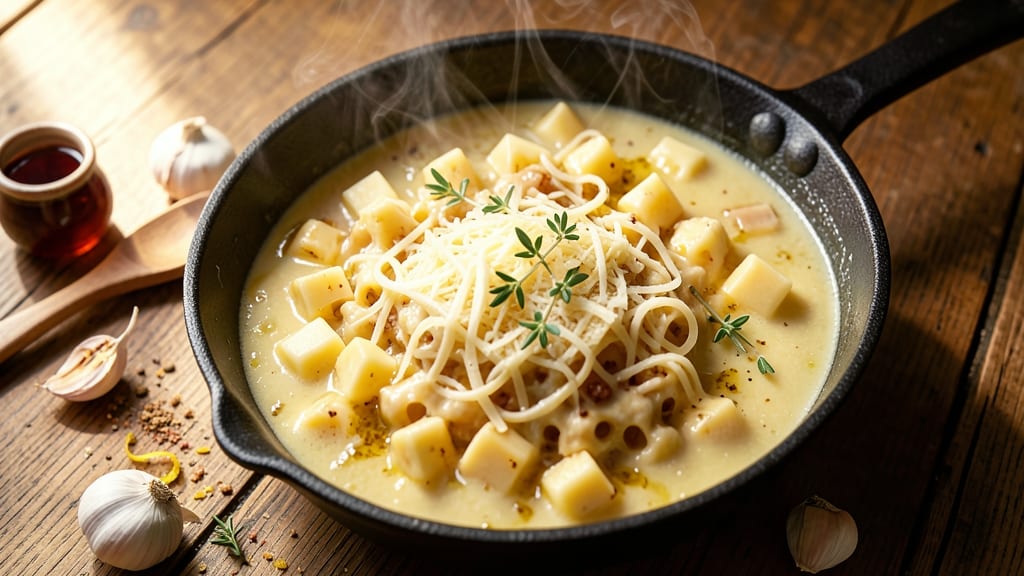
This authentic Swiss cheese fondue recipe transforms a simple pot into a communal centerpiece that brings warmth, laughter, and crispy dippers to any gathering.
The secret lies in the perfect balance of Emmental and Gruyère cheeses melted over a gentle flame, their nutty richness enhanced by a splash of dry white wine.
I’ve perfected this technique over years of Swiss-inspired dinners, ensuring every bite delivers that signature gooey, velvety texture with just the right amount of tang.
What sets this recipe apart is the traditional approach—no shortcuts, just the classic method of keeping the fondue pot warm over a réchaud (fondue set) while you enjoy the experience.
The broth simmers quietly in the background, its subtle garlic and white wine aromas wafting through the air, while the cheese blend melts into a luxurious, stretchy consistency. Safety is key here: avoiding moisture in the pot ensures smooth, creamy fondue without lumps or separation.
By the time you’re done, you’ll have a bubbling pot of authentic Swiss fondue that’s ready for crispy baguette slices, sweet potatoes, or even apples—each dip delivering that perfect contrast of crispy and creamy.
The addition of cornichons and a drizzle of kirsch adds a bright, tangy finish that cuts through the richness. This isn’t just a dish; it’s an experience that turns a simple meal into a memorable gathering.
Pair it with a dry white wine like Chasselas for the full Swiss experience, and prepare for compliments that’ll make your guests ask for seconds. Here’s how to create this foolproof, restaurant-quality fondue at home—no fancy equipment required.
Ingredients for authentic swiss cheese fondue
This authentic Swiss fondue recipe brings warmth and communal joy to any gathering.
| Ingredient | Amount | Notes |
|---|---|---|
| Emmental Cheese 🧀 | 1 ½ lb | Aged, block preferred |
| Gruyère Cheese 🧀 | 1 lb | Aged, freshly grated |
| Dry White Wine 🍷 | 1 cup | Chasselas or Sauvignon Blanc |
| Garlic Cloves 🧄 | 4 cloves | Fresh, peeled and smashed |
| Kirsch 🍒 | 2 tbsp | Cherry brandy, optional |
| Vegetable Broth 💧 | 1 ½ cups | Low-sodium preferred |
| Cornichons 🥒 | ½ cup | Sliced, for garnish |
| Sweet Potatoes 🍠 | 2 medium | Peeled, cut into sticks |
| Apples 🍎 | 2 medium | Firm, cut into wedges |
| Baguette 🍞 | 1 whole | Crusty, sliced into sticks |
| Salt 🧂 | ½ tsp | Kosher or sea salt |
| White Pepper 🌶️ | ¼ tsp | Freshly ground |
| Nutmeg 🌿 | ¼ tsp | Freshly grated |
| Butter 🧈 | 2 tbsp | Unsalted, for dipping |
The cheeses are the heart of this dish—Emmental for that classic nutty flavor and Gruyère for richness. Grab aged wheels from a specialty cheese shop if you can, or the pre-grated kind from Whole Foods in a pinch. The wine matters too: Chasselas is traditional, but any dry white like Sauvignon Blanc works. Look for a bottle with no added sulfites if you're sensitive—Trader Joe's has great options. Freshly grated cheese melts better than pre-shredded, so invest in a box grater if you don't have one. For the cornichons, those tiny pickles from French markets are ideal, but any small pickles will do.
No Chasselas? Pinot Grigio or even a crisp Chardonnay will work in a squeeze. Short on Gruyère? Comté cheese at half the amount gives similar depth. The sweet potatoes and apples should be firm—Yukon Golds for potatoes and Honeycrisp apples for dipping are my go-tos, but anything crisp will work. The baguette is non-negotiable though—freshly baked with a crisp crust is essential. For extra tang, add a splash of lemon juice to the fondue pot. And if you're feeling fancy, toast the garlic cloves in butter before adding them to the broth for deeper flavor.
Store the cheese wrapped in parchment paper in the fridge for up to 1 week. The wine and broth can be prepped a day ahead—just keep them separate. The fondue pot itself stays warm for about 2-3 hours over a candle or fondue set, so plan accordingly. Leftover fondue? Spread it thin on bread and toast in a skillet for a quick breakfast. The dippers keep well in the fridge for 3 days, but they're best enjoyed fresh. And trust me, the leftovers make amazing fondue grilled cheese the next day.
Why You'll Love This Recipe
- No-Fuss Setup: I swear by this recipe because it’s the only fondue I’ve ever made that doesn’t require a fancy fondue set. A heavy pot, a thermometer, and a whisk—that’s it. No stress, no fuss, and no last-minute Amazon Prime panic.
- Melty Magic: The Gruyère and Emmental combo is where it’s at—rich, nutty, and just the right amount of stretchy. Add a splash of Kirsch for that little kick, and suddenly you’ve got a flavor that tastes like a mountain lodge, not just a cheesy dip.
- Weeknight Crowd-Pleaser: Between us, this is the dish I pull out when friends show up unannounced. It’s effortless to scale up, feeds a ton of people, and even my picky-eating brother can’t resist the garlic-dipped bread. (Yes, even on a Tuesday night.)
- Leftovers? More Like Leftovers: Honestly, I make extra because the fondue sauce keeps beautifully in the fridge for days. Just reheat with a splash of wine and a little water—no lumps, no sadness. It’s my secret weapon for lazy lunches and impromptu snacks.
Step-by-step instructions for authentic Swiss cheese fondue
Here's how to create the perfect melty, golden fondue with crispy dippers every time.
Prepare the Cheese Mixture
Start by grating the 1 lb Gruyère Cheese and cutting the 1.5 lb Emmental Cheese into ½-inch cubes. I like to use a box grater for the Gruyère to get fine, even shreds that melt beautifully. Place both cheeses in a large fondue pot or heavy saucepan.
Add the 4 smashed garlic cloves, 0.5 tsp salt, 0.25 tsp white pepper, and 0.25 tsp nutmeg to the pot. Stir gently to combine. The garlic will infuse the cheese with that classic Swiss aroma, while the spices balance the richness. Keep the heat at low for now—we're just prepping the cheese, not melting it yet.
Create the Liquid Base
In a separate bowl, whisk together the 1 cup dry white wine and 1.5 cups vegetable broth. This liquid base is the secret to a smooth, velvety fondue. Pour the mixture into the fondue pot with the cheese and stir gently over low heat until the cheese begins to soften and the liquid starts to simmer.
Here's the thing—you want the cheese to melt slowly and evenly. If the liquid boils vigorously, it can create lumps. Instead, look for gentle bubbles forming around the edges of the pot. Once the cheese is mostly melted but still slightly thick, remove the pot from heat and stir in the 2 tbsp Kirsch. This cherry brandy adds depth and that authentic Swiss touch.
Adjust Consistency and Keep Warm
Return the fondue to low heat and continue stirring gently until the mixture reaches a smooth, creamy consistency. If it's too thick, add 1-2 tablespoons of hot water at a time until it reaches the perfect dipping consistency—it should coat the back of a spoon but still be pourable. The fondue should be hot but not boiling; you're aiming for a gentle simmer that keeps it warm without burning.
Once the fondue is smooth and creamy, transfer it to a fondue pot or a heatproof serving dish. If using a fondue pot, place it over a small candle or a fondue burner set to low heat. The goal is to keep the fondue warm and melted without letting it boil or separate. Cover the pot with a lid when not in use to maintain heat and prevent a skin from forming.
Prepare the Crispy Dippers
While the fondue is melting, prepare the dippers. Cut the 2 medium sweet potatoes into ¼-inch thick sticks and the 2 medium apples into wedges. Slice the 1 whole baguette into ½-inch thick sticks. Arrange all dippers on a baking sheet lined with parchment paper.
Brush the sweet potato sticks and baguette slices lightly with 2 tbsp melted butter—this ensures they get extra crispy. Sprinkle them with a pinch of salt and place them under a broiler for 2-3 minutes until golden brown and crisp. The apples don't need butter; just broil them for 1-2 minutes until they soften slightly but still hold their shape. Keep the dippers warm in a 200°F oven until ready to serve.
Serve with Style
Transfer the fondue to the serving pot and place it at the center of the table. Arrange the crispy dippers around it on a platter, along with the 0.5 cup sliced cornichons for garnish. Serve with fondue forks and let everyone dip their favorite dippers into the warm, melty cheese.
Here's a pro tip: If the fondue starts to thicken while serving, simply stir in a splash of hot water or white wine to loosen it up. The key to a perfect fondue is keeping it warm and smooth, so don't let it sit too long between dips. Enjoy the cozy, communal experience of this classic Swiss dish!
Pro Tips For Making Authentic Swiss Cheese Fondue
- Grate Cheese Coarse: Skip the food processor—your fondue needs texture, not glue. Use a box grater with medium holes for Emmental and Gruyère, and resist the urge to pulverize it into dust. I learned this the hard way when my fondue turned into a sad, clumpy paste instead of a silky melt.
- Start Low, Then Heat: Turn that fondue pot’s heat to the lowest setting first. The wine and cheese will release enough heat to warm everything up—rushing it causes the Gruyère to seize and turn grainy. After 5 minutes, you can gently increase to medium-low and stir like you’re defusing a bomb (slow and steady).
- Toast Garlic Whole: Peel those garlic cloves but leave them whole—no mincing. Toss them into the pot with the wine and let them sizzle for 2 minutes until golden and fragrant. I was skeptical until I tried it: whole cloves add depth without overpowering, and they’re easier to fish out later. (Yes, even if you’re impatient like me.)
- Swirl, Don’t Stir: Once the cheese is melted, use a wooden spoon to swirl the fondue in one direction for 30 seconds. This creates a smoother, silkier texture than constant stirring, which can incorporate air and make it break apart. It’s not the prettiest method, but it’s the tastiest—trust the process.
Regional styles of authentic swiss cheese fondue
Swiss Alps Tradition
In the Swiss Alps, fondue originated as a practical way for farmers to stretch cheese during winter. The classic version uses Emmental and Gruyère, melted over a réchaud (fondue set) fueled by candlelight.
This method keeps the cheese warm without burning, creating that signature stretchy texture. Locals often serve it with cornichons and kirsch for that authentic tangy finish. 🧀
French-Valais Influence
The French-speaking Valais region adds a touch of elegance with Chasselas wine as the base liquid. Here, they often include white wine and garlic for extra depth. The Valais style also incorporates raclette cheese in some variations, giving it a slightly creamier texture.
This regional twist keeps the fondue rich but balanced with bright acidity from the wine. 🍷
German-Speaking Adaptations
In German-speaking regions like Zurich, fondue sometimes includes Gruyère mixed with Appenzeller cheese for a nuttier profile. The dippers here often feature potatoes and cabbage alongside bread, reflecting local produce.
Some versions even add a splash of apple cider to the broth for a subtle sweetness that pairs beautifully with the sharp cheeses. 🥔
Modern Swiss Twists
Today’s Swiss chefs are reimagining fondue with creative twists while keeping tradition alive. Try adding smoked Gruyère for depth or swapping white wine for dry Riesling. Some even infuse the broth with herbs like thyme or fennel for a fresh twist.
The key is maintaining that creamy, stretchy consistency—no matter the variation. ✨
Regional Dippers
While baguette is universal, regional dippers vary. In Geneva, they love crispy potatoes and apples. In Bern, pickled onions and radishes add crunch. For a heartier option, try roasted chestnuts or crispy prosciutto—just ensure they’re cooked to perfection before dipping.
The contrast of textures is what makes fondue so magical. 🍞
Nutrition facts
Frequently asked questions
What’s the best way to melt cheese without lumps?
Use a fondue pot or heavy saucepan over low heat and stir constantly with a wooden spoon. The key is patience—let the cheese melt slowly over 5-7 minutes while adding the wine and broth gradually. Never let it boil vigorously, or you’ll risk graininess. A splash of hot water or white wine can rescue thickened fondue mid-serving.
Can I make fondue without a fondue set?
Use a small slow cooker set to warm (not simmer) or a double boiler with the pot filled with 2 inches of water (never let water touch the cheese). For a candleless option, a portable electric fondue burner works too. Just keep the temperature steady—around 160°F—to maintain that perfect creamy consistency.
Why does my fondue keep getting watery?
This usually happens if you add too much liquid (wine or broth) or if the cheese isn’t aged properly. Start with 1 cup wine + 1.5 cups broth and adjust in 1-tbsp increments. For extra insurance, use aged Emmental and Gruyère (at least 6 months
What’s the deal with cornichons and kirsch?
Cornichons (tiny pickles) add a bright, tangy contrast to cut through the richness, while kirsch (cherry brandy) brings a fruity depth that’s classic in Swiss fondue. Use 2 tbsp kirsch per 2 cups cheese—it’s optional but adds that authentic Swiss touch. For a non-alcoholic version, swap kirsch for apple cider vinegar or extra wine.
How do I keep the dippers crispy?
Broil the baguette and sweet potatoes for 2-3 minutes until golden, then transfer to a 200°F oven while serving. For apples, broil just 1-2 minutes to soften slightly. Keep dippers in a single layer and reheat in bursts if needed. Pro tip: Toss dippers in 1 tsp cornstarch before broiling for extra crunch.