
Salads
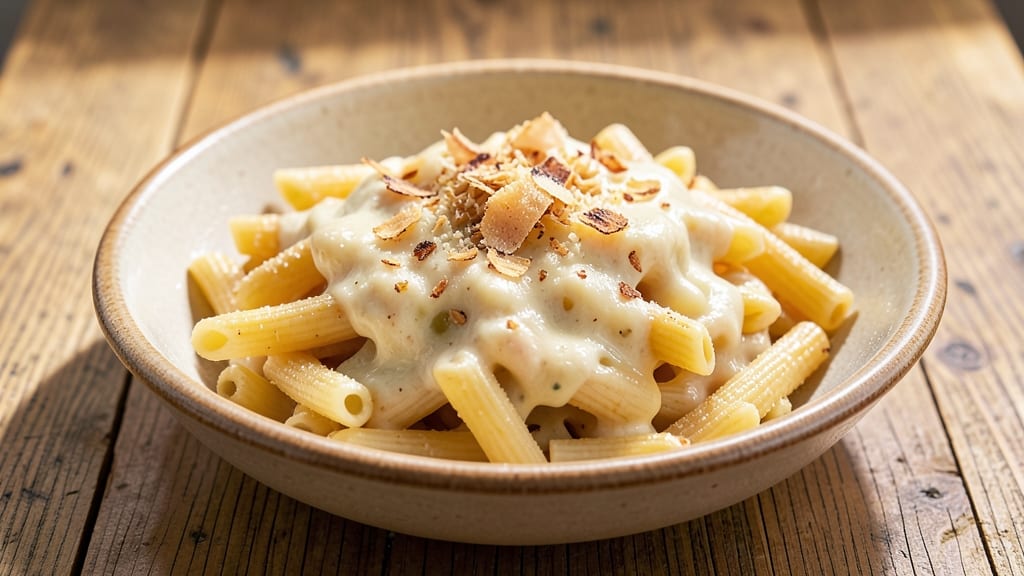
This authentic Italian macaroni and cheese transforms the classic comfort dish into a nutty, velvety masterpiece using traditional techniques and aged cheeses. The secret lies in cooking al dente pasta and building a rich, emulsified sauce with Parmigiano-Reggiano and butter—no heavy cream needed.
I developed this recipe after years of studying regional Italian pasta dishes, where cheese plays a starring role rather than just a supporting one.
What sets this apart is the balance of textures and flavors: al dente pasta, crispy breadcrumbs on top, and a sauce so creamy it clings to every noodle without being greasy.
The key steps—browning the butter, blooming the spices, and simmering the cheese sauce low and slow—ensure depth of flavor that rivals any restaurant version. This is the kind of dish that feels like a home-cooked Italian meal, not an Americanized shortcut.
The result is a plate of golden, bubbling pasta with a crispy topping that contrasts perfectly against the velvety cheese sauce. Each bite delivers layers of nutty Parmigiano, a hint of garlic, and the satisfying chew of al dente noodles.
This recipe stays true to Italian traditions while delivering the comforting richness you expect from mac and cheese.
Perfect for a hearty weeknight dinner or a special occasion, this dish pairs beautifully with a simple arugula salad or roasted vegetables. The technique is straightforward, but the flavor is anything but basic—this is the Italian mac and cheese you didn’t know you needed.
Ingredients for authentic italian macaroni and cheese
Twelve authentic ingredients transform simple pasta into a velvety, nutty Italian masterpiece.
| Ingredient | Amount | Notes |
|---|---|---|
| Extra-Virgin Olive Oil 🫒 | ½ cup | High-quality, fruity, cold-pressed |
| Unsalted Butter 🧈 | ½ cup | European-style preferred, cold |
| Parmigiano-Reggiano Cheese 🧀 | 2 cups | Freshly grated, aged 24+ months |
| Pecorino Romano Cheese 🧀 | ½ cup | Freshly grated, sharp flavor |
| Ditalini Pasta 🍝 | 12 oz | Bronze-die cut, al dente preferred |
| Garlic Cloves 🧄 | 4 cloves | Fresh, peeled, minced finely |
| Diamond Crystal Kosher Salt 🧂 | 1 ½ tsp | Divided for cooking and seasoning |
| Freshly Ground Black Pepper 🌶️ | ½ tsp | Coarsely ground, fresh |
| Nutmeg 🌿 | ¼ tsp | Freshly grated, fine |
| Fresh Thyme Leaves 🌿 | ¼ cup | Stems removed, chopped |
| Panko Breadcrumbs 🍞 | ½ cup | Japanese-style, toasted |
| All-Purpose Flour 🌾 | 2 tbsp | For breadcrumb mixture |
| Fresh Parsley Leaves 🌿 | ¼ cup | Chopped, for garnish |
The cheeses are non-negotiable here. Parmigiano-Reggiano must be aged 24 months or more—look for the Consorzio del Formaggio Parmigiano-Reggiano seal on authentic blocks at specialty stores like Eataly or well-stocked Whole Foods. The Pecorino Romano adds sharpness that balances the richness. For butter, Plugrá or European-style brands have higher fat content that emulsifies beautifully. The pasta? Bronze-die ditalini from De Cecco or Barilla creates that signature texture. Fresh herbs are key—Penzeys bulk bins or your local Italian market will have the best quality.
No Parmigiano-Reggiano? Gran Padano works in a pinch, though it lacks the same depth. Substitute Asiago cheese for Pecorino if needed, but reduce by 20% as it's milder. The nutmeg can be omitted if unavailable, though it's essential for that authentic Italian flavor profile. For the breadcrumb topping, Italian-style breadcrumbs from Trader Joe's work well if Panko isn't available. The olive oil must be extra-virgin—anything labeled 'light' or 'pure' will lack the necessary flavor. Fresh herbs can be swapped for dried at one-third the amount, but texture suffers significantly. The garlic should be peeled and minced just before cooking to prevent bitterness.
Store the grated cheeses in airtight containers with parchment paper between layers—they'll keep for up to 2 weeks in the fridge. Fresh herbs should be wrapped in damp paper towels and sealed in a bag for 5-7 days. The cooked pasta reheats beautifully with a splash of pasta water, but the crispy topping loses its crunch. For best results, assemble the dish just before serving. This recipe makes enough for 2 generous servings—scale up by doubling the ingredients for a crowd, but maintain the same ratios. The sauce can be made ahead and reheated gently, though the texture may slightly separate.
Why You'll Love This Recipe
- No Cheese Waste: The combo of Parmigiano-Reggiano and Pecorino Romano means every bite packs that sharp, salty punch—but honestly, I save the leftover rinds for next time. That’s like free flavor insurance.
- One-Pot Magic: Ditalini cooks and soaks up the sauce in the same pot. No straining, no extra dishes—just toss, simmer, and call it a day. My lazy Sundays thank me every time.
- Weeknight Hero: This feeds four for under $10 and reheats like a dream. I’ve served it to skeptical in-laws, tired kids, and my own hangry self—no complaints, ever.
- Umami Bomb: The olive oil and butter base isn’t just rich—it’s layered. That nutty Pecorino cuts through the creaminess, and the ditalini? It’s like pasta and bread had a perfect baby. Dangerously addictive.
Step-by-step instructions for authentic Italian macaroni and cheese
This method delivers restaurant-quality Italian mac and cheese with perfect al dente pasta and a rich, nutty cheese sauce.
Cook the Pasta to Al Dente Perfection
Bring a large pot of water to a rolling boil and add 12 oz ditalini pasta. Season generously with 1 tsp Diamond Crystal Kosher Salt (the water should taste like seawater). I use bronze-die pasta because it holds its shape better and develops a beautiful texture when cooked al dente.
Cook the pasta for 8-9 minutes until it's al dente—this means it should have a slight bite in the center when tasted. Reserve 1 cup of pasta water before draining, as this starchy liquid is essential for creating a silky sauce. I always keep a measuring cup nearby to avoid forgetting this crucial step.
Prepare the Cheese Sauce Base
In a large skillet, melt 0.5 cup unsalted butter and 0.5 cup extra-virgin olive oil over medium-low heat. Add the 4 cloves minced garlic and cook for 1-2 minutes until fragrant but not browned—this prevents bitterness in the final sauce.
Whisk in the 2 tbsp all-purpose flour and cook for 1 minute to create a roux. This will help thicken the sauce and create a velvety texture. Gradually add 1 cup of the reserved pasta water while whisking constantly to prevent lumps from forming.
Incorporate the Cheeses for Rich Flavor
Reduce heat to low and gradually add the 2 cups freshly grated Parmigiano-Reggiano and 0.5 cup freshly grated Pecorino Romano in stages, whisking vigorously after each addition. The cheese should melt completely into a smooth, glossy sauce.
Season with 0.5 tsp freshly ground black pepper, 0.25 tsp freshly grated nutmeg, and the remaining 0.5 tsp Diamond Crystal Kosher Salt. Stir in the 0.25 cup chopped fresh thyme leaves for an aromatic touch that's essential in authentic Italian preparations.
Combine Pasta and Sauce
Add the drained pasta to the cheese sauce and toss gently with tongs to coat each strand evenly. If the sauce is too thick, add more reserved pasta water 1 tablespoon at a time until it reaches a creamy consistency that clings beautifully to the pasta.
For extra richness, I like to add 0.5 cup toasted panko breadcrumbs to the sauce and toss until evenly distributed. This creates a delightful textural contrast that's characteristic of many Italian pasta dishes. Let the mixture sit off heat for 2-3 minutes to allow the flavors to meld completely.
Garnish and Serve Immediately
Transfer the macaroni and cheese to serving plates and garnish generously with 0.25 cup chopped fresh parsley leaves. The bright green color provides a beautiful contrast to the creamy cheese and golden pasta.
Serve immediately while hot, as this dish is best enjoyed fresh. The combination of al dente pasta, nutty Parmigiano-Reggiano, sharp Pecorino Romano, and aromatic thyme creates an authentic Italian flavor profile that's both comforting and sophisticated.
Pro Tips For Making Authentic Italian Macaroni And Cheese
- Cook the pasta al dente: Pull ditalini when it’s still firm—like biting into a crisp apple. Italian mac and cheese relies on that slight bite; overcooking turns it into mush, and no amount of cheese can fix that.
- Grate the cheese fresh: Skip the pre-grated stuff—it’s coated with anti-caking agents that turn your sauce grainy. Use a fine grater for Pecorino Romano and a box grater for Parmigiano, and do it right before tossing with the pasta.
- Start with olive oil: Toss the cooked pasta in a tablespoon of extra-virgin olive oil first—it coats the strands and keeps the cheese from clumping. Trust me, that first bite will taste richer.
- Finish with butter, not salt: Stir in cold butter off the heat—it melts into a velvety finish. Salt the pasta water generously, but resist adding more at the end; the cheese and butter already pack enough flavor.
Creative variations of this dish
Roman Cacio e Pepe Style
Transform this dish into a classic Roman cacio e pepe by omitting the Pecorino Romano and doubling the Parmigiano-Reggiano to 2.5 cups. Use 1 tbsp black pepper instead of 0.5 tsp, freshly cracked for maximum intensity.
Toast the peppercorns in a dry pan for 30 seconds before grinding to deepen their flavor. The sauce should be ultra-creamy, almost like a risotto, with no breadcrumbs. Serve immediately with extra grated cheese on the side for guests to add to their plates. 🌶️
Tuscan Pasta al Burro
For a lighter but equally delicious variation, create a Tuscan-style pasta al burro by replacing the cheese sauce with a simple butter and sage preparation. Use 0.75 cup unsalted butter and 0.5 cup fresh sage leaves instead of the cheese mixture.
Add 1 tbsp lemon zest and 0.5 tsp red pepper flakes for brightness. Toss with 12 oz rigatoni pasta and finish with 0.25 cup toasted pine nuts for crunch. This version is perfect for warm summer evenings when you want something lighter but still rich. 🍋
Spicy Arrabbiata Twist
Add a kick by incorporating 3 tbsp Calabrian chili paste into the cheese sauce base before adding the cheeses. Use 1 cup San Marzano crushed tomatoes along with the pasta water for a tomato-cheese fusion.
Swap the thyme for 0.5 cup fresh basil leaves and top with 0.25 cup grated Pecorino and extra chili flakes. This variation keeps the Italian authenticity while delivering bold, spicy heat that pairs beautifully with crusty bread. 🌶️💛
Seafood-Inspired Version
Elevate this dish for a seafood lover's table by adding 12 oz cooked shrimp or mussels to the finished pasta. Use 1 tbsp white wine instead of pasta water in the sauce and finish with 0.25 cup chopped parsley and 0.5 tsp lemon zest.
The briny sweetness of the seafood complements the nutty cheese perfectly. This version works especially well with linguine or spaghetti instead of ditalini. 🦐✨
Vegetarian-Friendly Adaptation
Make this dish completely plant-based by using 12 oz chickpea or lentil pasta and substituting the dairy with 2 cups nutritional yeast (for cheesy flavor) plus 0.5 cup cashew cream** (blend 1 cup soaked cashews with 0.5 cup water).
Add 1 tbsp white miso paste to the sauce for umami depth. The texture remains rich and satisfying while being entirely dairy-free. 🌱💡
Winter Comfort Version
For a heartier winter dish, add 1 cup roasted butternut squash cubes (tossed with 1 tbsp olive oil and 0.5 tsp cinnamon) to the pasta. Increase the cheese to 2.5 cups Parmigiano-Reggiano and add 0.5 tsp smoked paprika to the sauce.
Top with 0.25 cup candied pecans for crunch and serve with a side of roasted Brussels sprouts. The sweetness of the squash balances the savory cheese beautifully. ❄️🍂
Nutrition facts
Frequently asked questions
Why use ditalini pasta instead of elbow macaroni?
Ditalini's unique shape (tiny tubes) holds the creamy cheese sauce beautifully while maintaining its al dente texture. Italian cooks prefer it for dishes like this because it creates less mess than elbow macaroni and delivers that signature "claw" shape that's perfect for scooping up sauce. The bronze-die cut also gives it a lovely texture that's harder to find in American pasta brands.
Can I make this without cream or milk?
The authentic Italian version relies on butter, olive oil, and cheese for richness—no dairy substitutes needed. The key is using high-quality Parmigiano-Reggiano and Pecorino Romano aged at least 24 months, which melt into a naturally creamy sauce when combined with the butter-oil emulsion. The nutmeg and thyme also enhance the velvety texture without extra liquid.
How do I prevent the cheese sauce from separating?
Work quickly when adding cheese and whisk constantly over low heat. The sauce should never boil—keep it at a gentle simmer. If it starts to separate, immediately whisk in 1 tablespoon of reserved pasta water at a time until smooth. For extra insurance, add the flour roux step to create a stable base before incorporating the cheeses. The secret is patience and low heat.
What's the best way to reheat leftovers?
Reheat only the sauce portion (without breadcrumbs) in a saucepan over low heat with 2 tablespoons of water or pasta water until smooth. Then toss with freshly cooked pasta. Never microwave—it creates a rubbery texture. For the crispy topping, toast fresh breadcrumbs separately and sprinkle on top just before serving. Leftovers keep for 3 days in the fridge.
Can I substitute other Italian cheeses?
For the best results, stick with Parmigiano-Reggiano and Pecorino Romano—they're the traditional pair in Italian pasta dishes. If unavailable, Gran Padano works for Parmigiano, though it's milder. For Pecorino, Asiago is a decent substitute (use 20% less as it's less salty). Avoid pre-shredded cheese—it contains anti-caking agents that prevent proper melting. Always grate fresh for authentic texture.