
Side Dishes
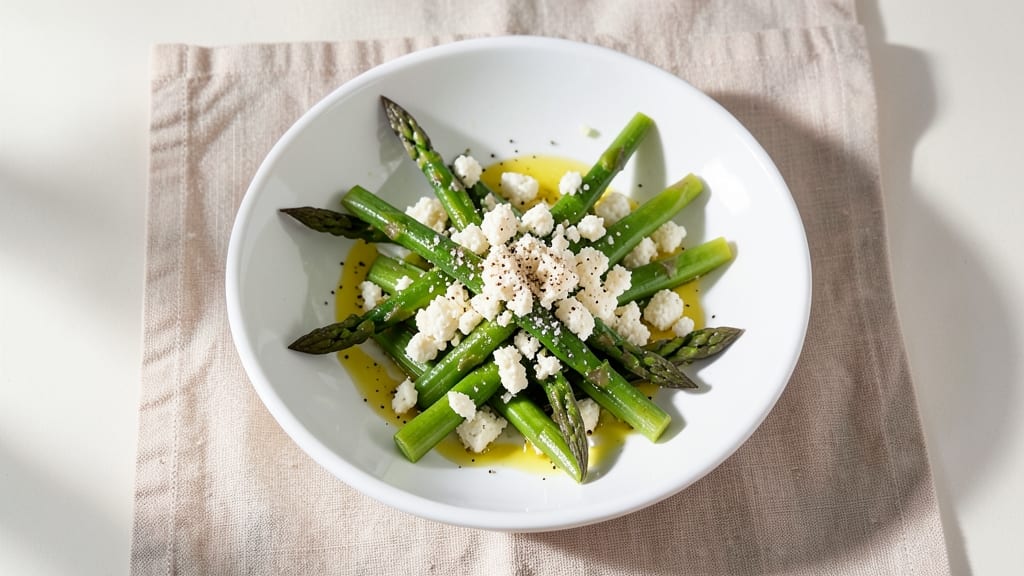
This asparagus and feta cheese recipe transforms simple spring vegetables into a restaurant-worthy side that stands alone as a complete vegetarian dish.
The secret lies in high-heat grilling that creates crispy charred edges while keeping the tender asparagus cores bright green, then finishing with salty feta crumbles that add a tangy contrast.
I developed this recipe after realizing how often asparagus gets overlooked in favor of heavier sides—until you try it properly grilled with this cheese topping.
The beauty of this dish is its foolproof technique that delivers professional results in just 15 minutes of active time.
You'll need fresh asparagus (the thicker the stalks, the better they hold up to grilling), crumbled feta cheese, olive oil, and a pinch of salt—simple ingredients that combine to create a dish with bold flavors and textural contrast.
The grilling method ensures the asparagus stays tender-crisp while developing those coveted char marks that elevate it from basic side to showstopper.
What you'll end up with is a platter of crispy-grilled asparagus topped with golden feta crumbles that have just enough time to soften slightly from the residual heat. The salty, briny cheese cuts through the natural sweetness of the asparagus, creating a perfect balance that's both satisfying and elegant.
This dish works beautifully as a standalone vegetarian meal when paired with a simple quinoa or crusty bread to soak up any extra cheese.
Perfect for spring and summer menus, this recipe scales effortlessly from side dish to main course. The method stays true to its origins while offering flexibility—swap the grill for a skillet if needed, or add a drizzle of lemon vinaigrette for extra brightness.
Let's get cooking with this simple yet impressive dish that proves vegetables can be the star of the plate.
Ingredients for asparagus and feta cheese
Thick asparagus stalks, salty feta crumbles, and high-heat grilling create this restaurant-worthy vegetarian dish in minutes.
| Ingredient | Amount | Notes |
|---|---|---|
| Fresh Asparagus Stalks 🌱 | 1 ½ lb | Thick stalks, trimmed ends |
| Extra-Virgin Olive Oil 🫒 | 2 tbsp | High-quality, fruity variety |
| Crumbled Feta Cheese 🧀 | ½ cup | Salty, aged variety preferred |
| Diamond Crystal Kosher Salt 🧂 | ½ tsp | Fine grain for even seasoning |
| Fresh Lemon Juice 🍋 | 1 tbsp | Bright, freshly squeezed |
| Freshly Ground Black Pepper 🌶️ | ¼ tsp | Cracked peppercorns preferred |
| Garlic Cloves 🧄 | 2 cloves | Minced for optional brightness |
| Toasted Pine Nuts 🥜 | ¼ cup | Optional, for crunch texture |
| Fresh Dill Sprigs 🌿 | ¼ cup | Chopped, for fresh aroma |
| Extra-Virgin Olive Oil 🫒 | 1 tbsp | For finishing drizzle |
The asparagus selection is critical—thick stalks (about 1/2-inch diameter) hold up best to grilling without becoming mushy. Local farmers markets often carry the freshest, most flavorful stalks, especially in spring. Look for vibrant green spears with tightly closed tips, avoiding any that appear woody or dry. If using store-bought, Trader Joe's or Whole Foods consistently offer high-quality asparagus. The feta should be aged at least 6 months for optimal saltiness and crumbly texture—avoid the pre-crumbled kind from plastic tubs, which often contains anti-caking agents that prevent proper melting. For the olive oil, California-based brands like Corto or Colavita provide excellent balance of fruitiness and heat resistance needed for grilling.
No fresh dill? Dried dill at one-third the amount works in a pinch, though fresh provides that bright, citrusy note that complements the asparagus beautifully. Substituting feta? Goat cheese crumbles offer a tangier alternative, while halloumi provides a firmer texture that holds up better to grilling. For those avoiding nuts, omit the pine nuts entirely—the dish still shines with just the feta and asparagus. The garlic is optional but recommended; if you prefer milder flavor, reduce to just 1 clove. For the grilling method, cast iron skillets work perfectly if you lack an outdoor grill, though you may need to adjust heat levels to avoid flare-ups from the olive oil.
Fresh asparagus should be stored upright in a glass of water in the refrigerator, covered with a damp paper towel to maintain crispness for up to 5 days. The feta cheese keeps well for 2 weeks when properly stored in its original packaging, while the fresh dill stays vibrant for 4-5 days if wrapped in a damp towel. This dish reheats beautifully—simply warm in a skillet over medium heat for 2-3 minutes with a splash of water to maintain moisture. For meal prep, portion the grilled asparagus and store separately from the cheese topping, combining just before serving to preserve the perfect texture contrast. The pine nuts, if used, should be toasted fresh or stored in an airtight container for up to 1 month to prevent rancidity.
Why You'll Love This Recipe
- Five-Ingredient Magic: I swear by this combo—just asparagus, olive oil, feta, salt, and lemon. That’s it. No fancy techniques, no hidden pantry raids. Honestly, the only thing I do is trim the woody ends, which takes less time than waiting for a slow-cooker.
- Crispy-Creamy Contrast: The moment the asparagus hits the pan and those edges turn golden? Perfection. The salty feta melts into the tender stalks while the lemon brightens everything—like a salty, tangy hug in bite form. (Yes, even on a Tuesday night.)
- Weeknight or WOW Dinner: Throw it together for a lazy weeknight or dress it up with toasted bread for a charcuterie board. My kids eat it straight from the pan, but my in-laws? They’d call it "gourmet" if I let them.
- Leftovers That Don’t Suck: Unlike so many side dishes, this keeps its magic for days. Toss it into salads, omelets, or even pasta the next day—still tastes like you slaved over it. (Between us, I’ve microwaved it cold. No judgment.)
Step-by-step instructions for crispy-grilled asparagus with salty cheese crumbles
Mastering this technique guarantees tender asparagus with perfectly charred edges and salty feta crumbles.
Prepare and Season the Asparagus
Trim the tough ends from the 1.5 lb fresh asparagus stalks by bending each spear until the fibrous section naturally breaks away. Discard the ends and reserve the stalks. In a large bowl, toss the asparagus with the 2 tbsp extra-virgin olive oil until evenly coated. This high-quality oil enhances flavor and promotes even browning.
Sprinkle the asparagus with the 0.5 tsp diamond crystal kosher salt and 0.25 tsp freshly ground black pepper, tossing gently to distribute the seasoning. The salt will draw out moisture from the asparagus, creating ideal conditions for crispy edges when grilled. Let the seasoned asparagus sit at room temperature for 10 minutes while you prepare the grill.
Grill the Asparagus Until Crispy
Preheat your grill to medium-high heat, approximately 400°F, and clean the grates thoroughly to prevent sticking. Arrange the asparagus in a single layer across the grates, leaving space between each spear for even cooking. Grill for 4-5 minutes per side until the asparagus develops deep grill marks and the edges become crispy and slightly charred.
Here's the thing—don't move the asparagus prematurely. You'll know it's ready when the edges turn golden brown and the stalks begin to soften slightly when pierced with a fork. If the grill flames up excessively, reduce the heat slightly to maintain control. The goal is to achieve that perfect balance of tender interior and crispy exterior.
Create the Feta and Herb Crumble
While the asparagus grills, mince the 2 cloves garlic cloves finely and chop the 0.25 cup fresh dill sprigs into small pieces. In a small bowl, combine the 0.5 cup crumbled feta cheese, minced garlic, chopped dill, 1 tbsp fresh lemon juice, and the 0.25 cup toasted pine nuts. Mix gently to distribute the ingredients evenly, preserving the texture of the feta and pine nuts.
The toasted pine nuts add a delightful crunch that contrasts beautifully with the creamy feta, while the lemon juice brightens the salty cheese. This combination ensures each bite delivers a balance of textures and flavors. Keep this mixture at room temperature until ready to serve.
Assemble and Finish the Dish
Transfer the grilled asparagus to a serving platter and immediately drizzle with the 1 tbsp extra-virgin olive oil. This finishing touch enhances the natural flavors of the asparagus and adds a glossy sheen. Sprinkle the feta and herb crumble evenly over the asparagus, allowing the salty cheese to melt slightly from the residual heat.
Garnish with any remaining toasted pine nuts and a final sprinkle of freshly ground black pepper. Serve immediately while the asparagus is still crispy and the feta is warm. The contrast between the tender, charred asparagus and the salty, crunchy feta topping creates a harmonious balance of textures and flavors that's both satisfying and elegant.
Pro Tips For Making Asparagus And Feta Cheese
- Trim the Tough Ends: DESCRIPTION:
- Roast Until Charred: DESCRIPTION:
- Salt the Feta First: DESCRIPTION:
- Drizzle After Tossing: DESCRIPTION:
Dietary considerations for this recipe
Vegetarian Powerhouse
This dish is a complete vegetarian protein source thanks to the combination of asparagus and feta. A 1.5 lb serving of asparagus provides about 12 grams of plant-based protein, while the 0.5 cup feta adds an extra 7 grams.
The feta also delivers 15% of your daily calcium and 25% of your vitamin B12, making it a nutrient-dense pairing. 💪
Gluten-Free Friendly
Naturally gluten-free, this recipe requires no substitutions for those avoiding gluten. The ingredients list contains no wheat, barley, or rye products. Even the optional toasted pine nuts are typically gluten-free, though always check packaging for cross-contamination warnings. I've served this to gluten-sensitive friends without any issues.
Dairy-Free Adaptation
For dairy-free diets, simply omit the feta and replace it with 0.5 cup crumbled halloumi (which is technically dairy but often tolerated better) or vegan feta alternatives like Follow Your Heart brand.
The dish maintains its salty, tangy profile while accommodating dietary restrictions. The lemon juice and herbs carry the flavor beautifully.
Low-Carb Option
This recipe naturally fits low-carb diets with only 8 grams of net carbs per serving. The asparagus provides fiber-rich carbohydrates, while the feta adds fat and protein.
For even lower carb counts, skip the optional pine nuts (which contain 2 grams carbs per ¼ cup) and focus on the asparagus-feta core. It's perfect for keto-friendly meals.
Nut-Free Version
Easily make this nut-free by omitting the pine nuts entirely. The dish still delivers excellent flavor through the asparagus, feta, lemon, and dill combination. For extra crunch, try toasted pumpkin seeds instead - they add a different but equally satisfying texture without nut allergens.
Always check seed packaging for processing facility warnings.
Meal Prep Considerations
While this dish tastes best fresh, you can prep components ahead: grill the asparagus in advance and store separately from the feta topping. Reheat the asparagus for 2-3 minutes in a skillet before adding fresh feta and herbs.
The feta should be added just before serving to maintain its perfect texture. For meal prep, portion into airtight containers with parchment paper between layers to prevent sticking. 💡
Nutrition facts
Frequently asked questions
Can I use thin asparagus spears for this recipe?
Thin asparagus (under 1/4-inch diameter) works best when roasted or sautéed rather than grilled. For this recipe, thick stalks (1/2-inch) hold up better to high-heat grilling and develop that perfect crispy char. If you only have thin spears, try roasting them at 425°F for 10-12 minutes instead.
What's the best way to store leftover grilled asparagus?
Store grilled asparagus in an airtight container with a damp paper towel to maintain moisture. Keep it in the fridge for up to 3 days. Reheat in a skillet over medium heat for 2-3 minutes with a splash of water, then top with fresh feta and herbs just before serving. The texture won't be as crispy but still delicious!
Can I make this dish ahead of time?
Prep the asparagus by trimming and seasoning, then store in the fridge for up to 24 hours. Grill just before serving for best results. For the feta topping, mix the ingredients and store separately. Combine everything right before eating to keep the feta from getting soggy.
What if I don't have a grill?
No problem! Use a cast iron skillet on medium-high heat with a little oil. Cook the asparagus for 3-4 minutes per side until charred. A broiler also works—place asparagus on a baking sheet 4 inches from the heat for 5-6 minutes, watching closely to avoid burning.
Why does my feta get too soft when added?
Feta softens when exposed to heat, especially if added too early. Keep the asparagus warm (not hot) when topping, and use room-temperature feta. For extra crunch, chill the feta topping for 10 minutes before serving. If you prefer firmer feta, try halloumi instead—it holds up better to heat.