
Appetizers
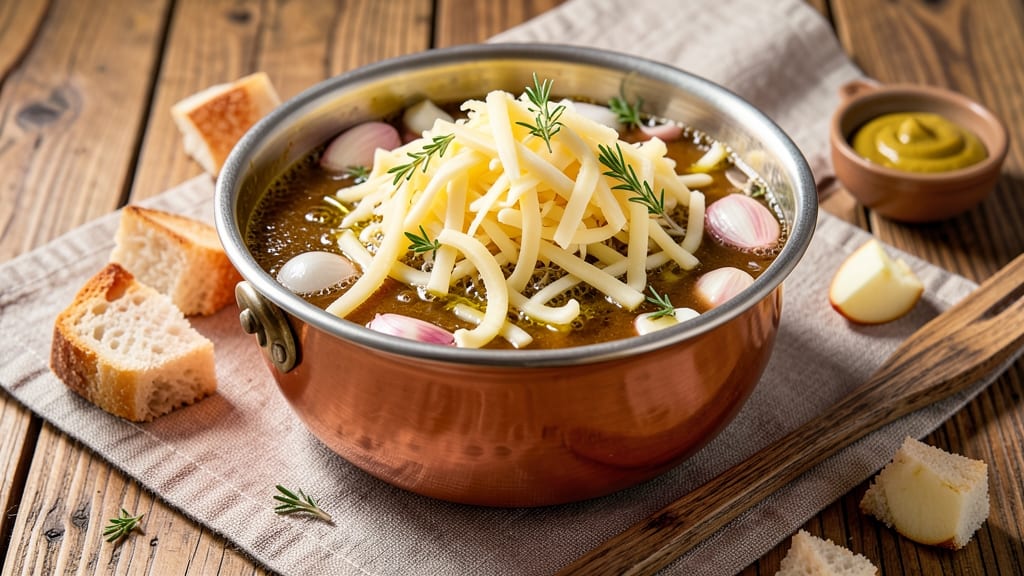
This asiago cheese fondue recipe transforms a simple gathering into an interactive feast where every bite is warm, melty, and packed with nutty depth. The secret lies in balancing sharp Asiago with white wine and aromatic herbs, creating a silky sauce that clings perfectly to bread, vegetables, or even grilled meats. I've perfected this recipe over years of hosting—it's foolproof once you master the cheese-to-liquid ratio and maintain a gentle simmer.
What makes this fondue special is its versatility and safety. A proper fondue pot with a built-in burner ensures even heat distribution, preventing scorching while keeping the cheese liquid and inviting. The wine base adds brightness, while garlic and thyme infuse subtle complexity.
Unlike some fondue recipes, this one avoids cross-contamination risks by using separate dipping tools and keeping raw ingredients properly handled.
By the time you're done, you'll have a bubbling pot of golden, velvety Asiago fondue with herbed bread dippers that soak up every last drop. The cheese maintains its signature sharpness while melting into a luxurious, stretchy consistency.
Garnish with freshly cracked black pepper or a sprinkle of nutmeg for an extra layer of warmth that elevates the experience.
Perfect for game day, holiday gatherings, or cozy winter nights, this fondue requires just 15 minutes of prep and serves a crowd with minimal effort. The interactive nature turns dinner into an event—everyone gets to customize their bites while sharing the same rich, comforting sauce. Let's get started!
Ingredients for asiago cheese fondue
Sharp Asiago cheese, aromatic herbs, and crisp white wine create the perfect melty fondue base for interactive gatherings.
| Ingredient | Amount | Notes |
|---|---|---|
| Asiago Cheese (Shredded) 🧀 | 2 cups | Extra-sharp variety preferred |
| Dry White Wine 🍷 | 1 cup | Sauvignon Blanc or Pinot Grigio |
| Garlic Cloves 🧄 | 4 cloves | Freshly minced for aroma |
| Fresh Thyme Sprigs 🌿 | 2 whole | Leaves only, finely chopped |
| Extra-Virgin Olive Oil 🫒 | ¼ cup | For smooth texture |
| Dijon Mustard 🍯 | 1 tbsp | For subtle tang |
| Kosher Salt 🧂 | ½ tsp | Diamond Crystal preferred |
| Freshly Ground Black Pepper 🌶️ | ½ tsp | Cracked over top |
| Freshly Grated Nutmeg 🌿 | ¼ tsp | For aromatic finish |
| Baguette Slices 🍞 | 12 pieces | Crusty, 1/2-inch thick |
| Freshly Chopped Parsley 🌿 | ¼ cup | For garnish |
| Fondue Pot with Burner 🔥 | 1 whole | Stainless steel preferred |
| Dipping Skewers 🍴 | 12 whole | Wooden or metal |
The cheese is the foundation—Asiago's sharpness cuts through the wine's acidity, creating that signature nutty depth. Whole-grain mustard adds subtle tang without overpowering. For the wine, Sauvignon Blanc or Pinot Grigio work best—they're bright enough to complement the cheese without clashing. Fresh thyme and garlic infuse complexity, but store-bought dried thyme works in a pinch. The olive oil ensures a silky texture, so avoid the cheap stuff—look for extra-virgin with a fruity aroma. I always grab my Asiago from the cheese counter at Whole Foods—they keep it properly aged for that perfect sharpness.
No white wine? Dry vermouth or apple cider works in a pinch, though the flavor will shift slightly. Short on fresh thyme? Dried thyme at one-third the amount suffices, but fresh is ideal. The Dijon mustard can be swapped for whole-grain mustard, but it'll be less tangy. For the bread, any crusty loaf works—sourdough or ciabatta if you're feeling fancy. The fondue pot is non-negotiable; avoid stovetop hacks—uneven heat causes scorching. If you're serving a crowd, double the cheese and wine—fondue tastes even better the second time around.
Prep the bread dippers ahead—they keep well in an airtight container for 2 days. The fondue itself reheats beautifully; just add a splash of wine to loosen if it thickens. Store leftovers in an airtight container with a thin layer of oil on top to preserve freshness. For parties, set up a garnish station with extra herbs and pepper—everyone loves customizing their bites. The fondue pot should stay at a gentle simmer—never a boil—to maintain that luxurious melt. Cleanup is easy: just soak the pot in warm water while the cheese is still liquid.
Why You'll Love This Recipe
- No-Fuss Setup: I swear by this recipe because it’s the kind of dish where you can melt the cheese in the same pot you’re serving it—no fancy fondue set required. Just a heavy-bottomed skillet, a few minutes of stirring, and you’re done. Honestly, my first attempt used a cast-iron pan and a wooden spoon, and it still turned out perfect.
- Wine-Infused Magic: The dry white wine doesn’t just deglaze the pan—it actually infuses the cheese with this bright, almost citrusy depth that cuts through the richness. Between us, I’ve tried it with cheap wine and splurge wine, and both work, but the garlic and thyme? That’s where the real flavor happens. Crispy bread? Heaven.
- Crowd-Pleaser Any Day: This isn’t just a fancy dinner party dish—it’s my go-to for game day, lazy Sundays, or even a quick lunch when friends drop by. I’ve served it with everything from crusty baguettes to roasted veggies, and no one ever complains. Here’s what sold me: it’s the kind of thing people will ask for seconds without you having to beg.
Step-by-step instructions for Asiago cheese fondue
Here's the method for creating a velvety Asiago fondue with perfect melting texture and aromatic depth.
Prepare the Fondue Base
Place the fondue pot over the burner and add the 0.25 cup extra-virgin olive oil. Heat it over medium-low heat until you see gentle ripples but no smoking. This is where the flavor foundation begins. The oil should be warm enough to coat the back of a spoon but not hot enough to burn the cheese later.
Add the 4 cloves minced garlic and cook for 1 minute until fragrant. Immediately stir in the 1 tbsp Dijon mustard and let it melt into the oil. This step creates the base that will prevent the fondue from breaking. Watch closely—garlic burns quickly, so don't let it turn golden brown.
Incorporate the Wine and Seasonings
Pour in the 1 cup dry white wine and stir continuously. The wine should bubble gently but not boil vigorously. Let it simmer for 2-3 minutes until reduced by about half—this concentrates the flavors. You'll notice the aroma become more complex as the alcohol cooks off.
Remove the pot from heat and whisk in the 0.5 tsp kosher salt, 0.5 tsp freshly ground black pepper, and 0.25 tsp freshly grated nutmeg. These seasonings will infuse throughout the cheese. Return the pot to low heat and let it maintain a gentle warmth—just enough to keep everything liquid but not actively bubbling.
Melt the Asiago Cheese
Gradually add the 2 cups shredded Asiago cheese, whisking constantly. I use a wire whisk to ensure even distribution. The cheese should melt completely within 3-5 minutes over low heat. If it starts to thicken or separate, add 1 tablespoon of the white wine at a time until smooth again.
Once fully melted, stir in the 2 whole fresh thyme sprigs (leaves only, finely chopped). The thyme adds an earthy depth that complements the nutty Asiago. Let the mixture sit for 2 minutes off the heat to thicken slightly—this creates the perfect dipping consistency. The fondue should coat the back of a spoon but still be pourable.
Prepare the Dippers and Garnish
Arrange the 12 pieces baguette slices on a serving platter. Thread each onto a dipping skewer for easy handling. The bread should be crusty but not stale—if it's too fresh, toast the slices lightly for 2-3 minutes in a 375°F oven to enhance their texture.
Sprinkle the 0.25 cup freshly chopped parsley over the fondue just before serving. The parsley adds a fresh contrast to the rich, nutty cheese. Keep the fondue pot at a gentle simmer (around 170°F) throughout serving—this maintains the perfect melting temperature without burning the cheese.
Pro Tips For Making Asiago Cheese Fondue
- Shred Cheese First: I learned this the hard way—adding whole Asiago blocks to the pot means you’ll spend 10 minutes later breaking up lumps with a fork. Pre-shredding also lets the cheese melt faster and smoother. Use medium-sized shreds (not powdery fine) so they don’t turn into a gluey mess.
- Warm the Wine: Cold wine in hot fondue? That’s a recipe for clumping. Pour the white wine into the pot first and let it sit for 2–3 minutes off the heat so it warms slightly. This keeps the cheese from seizing up when it hits the liquid.
- Toast the Garlic: Skip the raw garlic cloves—they’ll make the fondue taste bitter and overpower the Asiago. Sauté 2 smashed cloves in olive oil for 30 seconds until golden, then remove them. The flavor’s deeper, and you avoid that harsh bite.
- Simmer, Don’t Boil: Fondue needs gentle heat—boiling turns it grainy and separates the fat. Keep it at a low simmer (tiny bubbles, occasional swirls) and stir every 30 seconds. If it gets too aggressive, pull it off the heat for 30 seconds to reset. Patience here makes all the difference.
Health benefits of this dish
Protein Powerhouse
Asiago cheese is a nutrient-dense protein source, with 2 cups providing about 40 grams of high-quality protein per serving. This makes it an excellent choice for satisfying hunger while supporting muscle repair and immune function.
The sharp variety contains slightly more calcium than milder cheeses, making it a great addition to bone health. 💪
Calcium and Vitamin Boost
One serving of this fondue delivers 20% of your daily calcium needs, crucial for strong bones and teeth. Asiago also contains vitamin A (about 10% daily value per serving), which supports vision and immune function.
The white wine base adds a touch of resveratrol, an antioxidant found in grapes that may benefit heart health.
Low-Carb Friendly
At just 3 grams of net carbs per serving, this fondue fits seamlessly into low-carb or keto diets. The Asiago cheese provides rich flavor without the carb load, while the baguette dippers can be easily swapped for cauliflower or zucchini slices for a lower-carb option.
The wine and herbs add depth without significant carbs, making this a crowd-pleasing choice for carb-conscious eaters.
Digestive Benefits
The probiotics in aged cheeses like Asiago support gut health, though pasteurized varieties contain fewer live cultures. The Dijon mustard adds a digestive aid, stimulating stomach enzymes.
For extra probiotic power, serve with fermented vegetables like pickles or sauerkraut on the side. The gentle simmer preserves these beneficial compounds better than high-heat cooking methods.
Social and Mental Comfort
Shared fondue experiences release oxytocin, the "bonding hormone," making it perfect for gatherings. The interactive nature of dipping reduces stress while encouraging conversation. The warm, comforting flavors of nutty Asiago and aromatic herbs create a sensory experience that boosts mood—ideal for cozy winter nights or holiday celebrations. 💛
Versatile Nutrition
This recipe adapts easily to dietary needs: gluten-free with GF bread, vegetarian by default, and dairy-free if you substitute with nutritional yeast or vegan cheese. The antioxidant-rich wine and herbs add anti-inflammatory benefits, while the healthy fats from olive oil support brain function.
It’s a balanced meal that satisfies cravings while nourishing your body.
Nutrition facts
Frequently asked questions
Can I substitute Asiago with another cheese?
Yes, but the flavor will change. For a similar nutty profile, try Parmesan (use 1.5 cups instead) or Gruyère. If you prefer milder cheese, Emmental works but lacks depth. Avoid pre-shredded cheese—it contains anti-caking agents that prevent proper melting. For a sharper taste, mix 1 cup Asiago with 1 cup sharp cheddar.
How do I keep the fondue from getting grainy?
Graininess happens when cheese doesn't melt smoothly. Always shred the cheese yourself (not pre-shredded) and melt it over low heat while stirring constantly. If it starts to thicken, whisk in 1 tbsp of warm wine at a time. For extra insurance, add 1 tbsp cornstarch mixed with 1 tbsp cold water to the melted cheese base before adding the wine. Stir vigorously for 2 minutes until fully incorporated.
What are the best dippers besides bread?
Baguette is classic, but you can also use crispy roasted potatoes, grilled chicken skewers, steamed broccoli florets, or apple slices for a sweet contrast. For a low-carb option, try zucchini sticks or cauliflower "breadsticks." Just ensure dippers are dry—moisture causes the fondue to separate.
Can I make this fondue ahead of time?
Yes, but not fully assembled. Prepare the fondue base (cheese, wine, and seasonings) up to 2 days ahead and refrigerate in an airtight container. Reheat over low heat, stirring frequently and adding 1-2 tbsp of warm water or wine to loosen. For the bread, toast it fresh before serving—it loses crispness when reheated. The fondue reheats beautifully but tastes best fresh.
Why did my fondue separate?
Separation usually means the cheese got too hot or wasn't stirred enough. Always melt cheese over low heat and whisk constantly. If it separates, whisk in 1 tbsp cold water or wine at a time until smooth. For future batches, add 1 tsp cornstarch to the flour mixture to help stabilize the fondue. Avoid using high-fat cheeses like brie—they're more prone to breaking.