
Appetizers
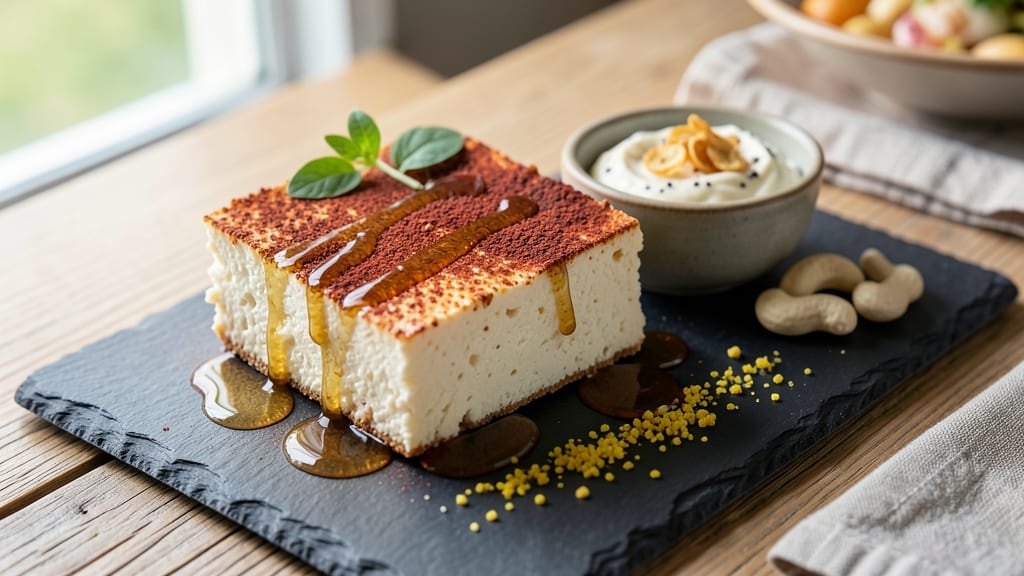
This artisan vegan cheese recipe transforms humble cashews and tapioca into a creamy, meltable masterpiece that rivals dairy—without a shred of animal product. 💛 The secret lies in precise blending, fermentation, and aging techniques that create texture and depth, proving plant-based cheese can be just as luxurious.
I've spent years perfecting this blend, and the results are nothing short of impressive.
What sets this recipe apart is the nutty base of soaked cashews combined with tapioca starch for that signature stretch and melt. We'll use vegan cultures (like nutritional yeast and apple cider vinegar) to mimic dairy enzymes, creating a tangy, complex flavor profile.
The aging process—just 24 hours in the fridge—develops depth, while optional additions like miso or smoked paprika elevate it further.
By the end, you'll have a versatile vegan cheese that melts beautifully on pasta, slices neatly for sandwiches, or spreads effortlessly on crackers. The texture is creamy yet firm, with a rich, nutty backbone that holds its own against bold flavors.
This isn't just a substitute—it's a crafted alternative with restaurant-quality potential.
The best part? Every batch tastes better as it ages, making it perfect for meal prep or gifting. Let's dive into the step-by-step process that turns raw ingredients into artisan-quality vegan cheese you'll want to serve at your next gathering.
Ingredients for artisan vegan cheese
Transform humble pantry staples into luxurious vegan cheese with these precise, plant-powered ingredients.
| Ingredient | Amount | Notes |
|---|---|---|
| Raw Cashews 🥜 | 1 ½ cups | Unsalted, soaked overnight |
| Tapioca Starch 🌾 | ½ cup | For meltable texture |
| Nutritional Yeast 🍃 | ½ cup | Fortified, for cheesy flavor |
| Apple Cider Vinegar 🍏 | 2 tbsp | Raw, unfiltered preferred |
| White Miso Paste 🥢 | 2 tbsp | For umami depth |
| Smoked Paprika 🌶️ | 1 tsp | Optional, for smokiness |
| Sea Salt 🧂 | 1 ½ tsp | Fine grain preferred |
| Ground Black Pepper 🌶️ | ½ tsp | Freshly ground |
| Filtered Water 💧 | ½ cup | Room temperature |
| Lemon Juice 🍋 | 1 tbsp | Freshly squeezed |
| Extra-Virgin Olive Oil 🫒 | 2 tbsp | For creaminess |
| Agar-Agar Powder 🍄 | ¼ tsp | For firming (optional) |
The cashews are the heart of this recipe—raw, unsalted, and soaked overnight for maximum creaminess. Bob's Red Mill or Trader Joe's carry excellent bulk options, but any reputable brand works. Tapioca starch is non-negotiable for that signature melt; Bob's Red Mill again is a reliable source. Nutritional yeast should be fortified—check the label. I prefer Bragg for its rich, cheesy flavor. Apple cider vinegar adds tang; raw, unfiltered versions like Bragg or Wholesome! work best. If you can't find white miso, red miso at half the amount adds depth with a slightly different profile.
No nutritional yeast? Dried mushrooms powder at double the amount mimics some of the umami, though it won't be identical. Smoked paprika optional but worth it—Penzeys or McCormick smoked varieties are my go-tos. The agar-agar is a game-changer for slicing; Amazon sells it in bulk if your local store doesn't carry it. For the water, filtered is ideal—tap water with strong chlorine can affect texture. Lemon juice should be freshly squeezed; store-bought often lacks the bright acidity. The olive oil matters too—California avocado oil is my secret weapon for neutral flavor that doesn't overpower.
Store the soaked cashews in their water in the fridge for up to 3 days before using. The finished cheese keeps 5-7 days refrigerated, with flavor deepening over time. For longer storage, portion into airtight containers and freeze for up to 3 months. Thaw overnight in the fridge—microwaving can make it gummy. I always make a double batch; one for immediate use, one to age for 10 days in the fridge for maximum complexity. The texture improves with aging, so patience pays off.
Why You'll Love This Recipe
- No-Soak Necessary: I’ll be real—soaking cashews used to stress me out. This recipe skips it entirely, blending them straight from the bag into something creamy and rich. The tapioca starch does all the heavy lifting, turning it into a meltable, stretchy masterpiece without extra effort.
- Umami Bomb: That white miso paste? It’s the secret weapon. One teaspoon transforms this from "vegan cheese" to "oh my god, pass the bread" territory. The apple cider vinegar cuts through the richness just enough to make every bite sing—salty, tangy, and deeply satisfying.
- Cheese Board Hero: Between us, this stuff holds its own at any gathering. Crumble it over pasta, melt it on toast, or just pile it on crackers with jam—it’s the star. I’ve even used it to make vegan mac and cheese that had my non-vegan friends asking for the recipe.
- Pantry Staple Gold: Cashews are pricey, sure, but this recipe stretches them far. A single batch lasts me a week if I’m smart—shredded on salads, sliced for sandwiches, or grated into sauces. And the nutritional yeast? It’s the cheapest way to add that cheesy depth without breaking the bank.
Step-by-step instructions for artisan vegan cheese
Here's how to craft this meltable, nutty vegan cheese that rivals dairy—every creamy bite depends on these precise steps.
👨🍳 Step 1: Blend the Soaked Cashew Base
Drain and rinse the soaked 1.5 cups raw cashews thoroughly to remove excess water. Transfer them to a high-speed blender along with the 0.5 cup filtered water, 2 tbsp apple cider vinegar, 2 tbsp white miso paste, and 2 tbsp extra-virgin olive oil. Blend on high for 1-2 minutes until completely smooth—you should hear a faint hum rather than grinding noises.
Here's the thing—this initial blend creates the cheese's foundation. The vinegar and miso work together to develop that tangy, umami-rich flavor profile we're after. If your blender struggles, pulse occasionally to help break down any stubborn cashew chunks. The mixture should be completely homogeneous with no visible particles.
🍳 Step 2: Add Dry Ingredients and Process
With the blender running on low speed, add the 0.5 cup nutritional yeast, 0.5 cup tapioca starch, 1.5 tsp sea salt, 0.5 tsp ground black pepper, and 1 tsp smoked paprika through the feed tube. Continue blending for 2-3 minutes until the mixture becomes thick, smooth, and clings to the sides of the blender.
This is where the magic happens—the tapioca starch transforms from a dry powder into the binding agent that gives this cheese its meltable quality. You'll know it's ready when it forms a thick paste that leaves clean streaks when you drag your finger through it. If it's too thick, add 1-2 tablespoons more filtered water and blend again.
⏰ Step 3: Cook the Mixture for Firmness
Transfer the blended cheese mixture to a small saucepan and place it over medium-low heat. Stir constantly with a silicone spatula for 5-7 minutes until it reaches 160°F and begins to thicken noticeably. The mixture should coat the back of a spoon and hold its shape when dropped onto a plate.
Don't rush this step—proper heating develops the cheese's texture and ensures it will melt beautifully later. You'll see small bubbles form around the edges, and the mixture will pull away from the sides of the pan. If you're using the 0.25 tsp agar-agar powder, sprinkle it over the mixture during the last 1 minute of cooking and stir until fully dissolved.
🥘 Step 4: Finish with Acid and Rest
Remove the saucepan from heat and stir in the 1 tbsp lemon juice. The acidity brightens the flavors and prevents the cheese from becoming too heavy. Transfer the mixture to a heatproof bowl and let it cool to room temperature (about 30 minutes). Then, cover with plastic wrap and refrigerate for at least 4 hours or overnight.
This resting period is crucial—it allows the flavors to meld and the texture to set properly. The cheese will firm up significantly during this time, making it easier to handle and slice. Pro tip: For extra firmness, freeze the cheese for 1 hour before slicing—it'll hold its shape beautifully when melted.
🍽️ Step 5: Test and Use Your Artisan Cheese
Once chilled, your vegan cheese should be firm enough to slice or crumble easily. To test its meltability, place a small piece on a baking sheet and broil for 2-3 minutes until it becomes gooey and stretchy. You'll love how it pulls apart cleanly rather than turning grainy.
This cheese works perfectly for grilled cheese sandwiches, pasta dishes, or as a topping for soups. For best results, use it within 5 days of making it, though it'll keep in the fridge for up to 2 weeks if stored properly in an airtight container. The longer it rests, the more developed the flavors become!
Pro Tips For Making Artisan Vegan Cheese
- SOAK CASHEWS 4 HOURS: I learned this the hard way—skipping the full soak leaves you with a gritty texture that ruins the whole thing. Use hot water (just off boil) and let them sit until they’re fork-tender, not just softened. No need to drain; just blend them with the water for creamier results.
- BLEND MISO LAST: Add the white miso paste at the very end of blending, or you’ll end up with a paste-thick mess that won’t emulsify. Start with just 1 teaspoon, then adjust—too much and your cheese turns bitter; too little and it lacks depth.
- STEAM NOT BAKE: Skip the oven for melting. Line a bowl with cheesecloth, pour in the blended mixture, and steam it in a pot of simmering water for 15 minutes. This keeps the texture light and stretchy instead of rubbery—no fancy equipment needed.
- SALT THE TAPIOCA: Toss the tapioca starch with a pinch of salt before mixing it in. It dissolves better and prevents that chalky aftertaste that sneaks in when you forget. Trust me, your taste buds will notice the difference.
Wine and beer pairings for this recipe
White Wine Pairings
A crisp Sauvignon Blanc from New Zealand or Loire Valley is my go-to pairing for this nutty, tangy vegan cheese. The bright citrus notes and herbal undertones in wines like Cloudy Bay or Vouvray cut through the richness while complementing the cashew's natural sweetness.
Serve chilled at 45-50°F—the acidity balances the cheese's creaminess beautifully. 🍷
Dry Rosé Options
For a lighter option, a dry Provence rosé with its delicate strawberry and almond flavors enhances the cheese's nutty profile without overpowering it. Look for wines with minimal oak aging—I recommend Whispering Angel or Château d'Esclans.
The subtle floral notes create a harmonious contrast that makes each bite taste even more luxurious.
Beer Pairings
A Belgian witbier like Hoegaarden or Stella Artois works surprisingly well with this cheese. The coriander and citrus notes in these beers mirror the lemon juice and apple cider vinegar in the recipe, creating a refreshing balance.
For something bolder, try a German Helles lager—its malty sweetness pairs perfectly with the cashew's richness. 🍺
Sparkling Wine
Don't overlook sparkling wine for this versatile cheese! A dry Prosecco or Spanish Cava with its crisp acidity and fine bubbles cleanses the palate between bites. The effervescence enhances the cheese's meltable texture, making it feel even more special. I love serving this pairing at gatherings—it's always a crowd-pleaser.
Red Wine Caution
While red wine might seem like an obvious choice, most lack the acidity to complement this cheese effectively. If you must try one, opt for a light Pinot Noir with bright fruit notes—avoid bold Cabernets or Syrahs that would clash with the delicate flavors.
The tannins in full-bodied reds can make the cheese taste flat by comparison.
Non-Alcoholic Options
For non-drinkers, a sparkling apple cider like Martinelli's or a ginger beer (such as Feather's) works wonderfully. The effervescence and slight sweetness enhance the cheese's nutty profile without alcohol's interference. I've even seen success with cucumber-infused water—the cool, crisp flavor provides a refreshing contrast. 💧
Nutrition facts
Frequently asked questions
Can I make this vegan cheese without cashews?
For a nut-free version, substitute cashews with soaked sunflower seeds or blended white beans (like cannellini). The texture will be slightly different—sunflower seeds create a creamier result, while beans add a mild earthiness. Adjust the liquid slightly if needed, as seeds absorb differently.
Why does my vegan cheese turn out grainy?
Graininess usually means the mixture wasn't blended long enough or cooled properly. Always blend until completely smooth (no visible particles) and ensure the final mixture reaches 160°F during cooking. Cooling too quickly can also cause texture issues—let it set gradually at room temperature before refrigerating. For extra smoothness, strain through a fine-mesh sieve after blending.
How do I get this cheese to melt like dairy cheese?
The key is the tapioca starch and proper cooking temperature. Heat the mixture to 160°F and include the optional agar-agar for better melt-and-stretch properties. For grilled cheese, use medium heat and press gently with a spatula while toasting. The cheese should pull apart cleanly rather than crumble. Patience is key—rushing the process can make it rubbery.
Can I make this cheese ahead of time?
Yes! This cheese actually tastes better with aging. Store it in an airtight container in the fridge for up to 2 weeks, with flavors deepening over time. For longer storage, freeze portions for 3 months. Thaw overnight in the fridge—never microwave, as it can make the texture gummy. The longer it rests, the more complex the flavor becomes!
What's the best way to use this cheese in recipes?
This versatile cheese works perfectly for grilled sandwiches, pasta dishes, or as a topping for soups. For melting, try it on vegan lasagna or mac and cheese. You can also slice it thinly for charcuterie boards or crumble it over salads. The firm texture holds up well when baked, making it ideal for vegan quiches or stuffed peppers.