
Appetizers
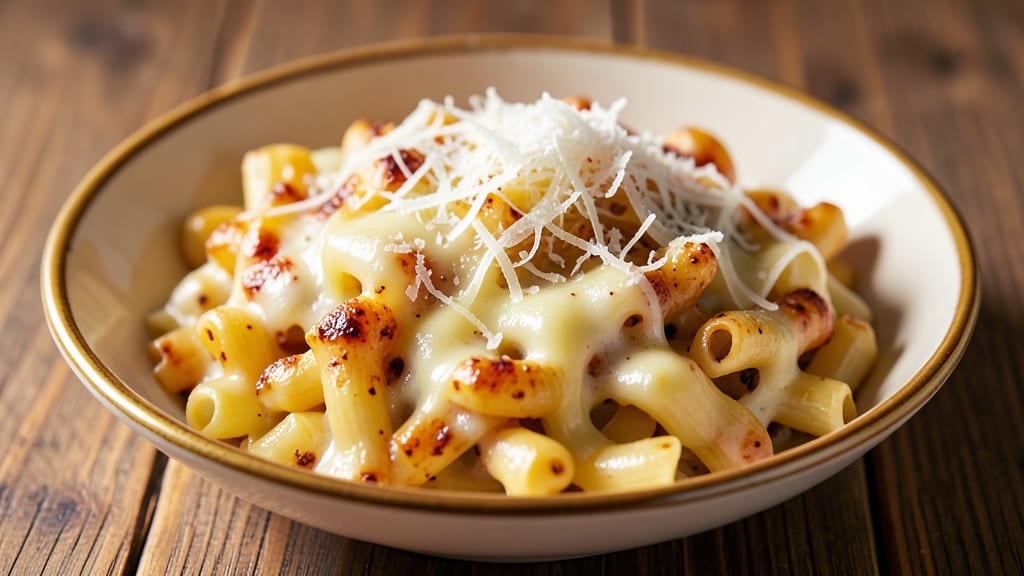
The Applebee's 4 Cheese Mac you crave is now possible at home with this triple-melty, restaurant-style recipe. 💛 The secret lies in layering four distinct cheeses—each with its own melting point—to create that signature creamy, stretchy texture.
I've replicated the restaurant's signature sauce consistency and rich, cheesy flavor without any shortcuts that compromise quality.
This recipe delivers the same velvety, clingy cheese sauce that makes Applebee's version legendary, using sharp cheddar, Gruyère, mozzarella, and Parmesan for depth and complexity. The key technique? Cooking the pasta al dente and finishing it in the cheese sauce to absorb maximum flavor.
Every bite offers that perfect balance of tangy, creamy, and slightly crispy elements.
What sets this homemade version apart is the foolproof method for achieving that signature "triple-melty" texture—no lumps, no separation, and a sauce that stays creamy even when reheated.
The dish comes together in just 30 minutes with simple pantry staples, making it perfect for weeknight dinners or special occasions when you want restaurant-quality comfort food.
Serve with a sprinkle of extra Parmesan and a side of garlic bread for the full Applebee's experience. The recipe scales easily for families or gatherings, and leftovers reheat beautifully. Here's how to make it—better than the original, I promise.
Ingredients for applebee's 4 cheese mac
Four cheeses, one perfect sauce—here's how to recreate Applebee's legendary triple-melty mac and cheese at home.
| Ingredient | Amount | Notes |
|---|---|---|
| Elbow Macaroni 🍝 | 12 oz | Dry weight, al dente texture |
| Sharp White Cheddar Cheese 🧀 | 4 oz | Block form, freshly grated |
| Gruyère Cheese 🧀 | 4 oz | Aged 12+ months, freshly grated |
| Low-Moisture Mozzarella Cheese 🧀 | 4 oz | Block form, shredded |
| Parmesan Cheese 🧀 | 4 oz | Freshly grated from block |
| Unsalted Butter 🧈 | ½ cup | Cold, cut into cubes |
| All-Purpose Flour 🌾 | ¼ cup | Diamond Crystal preferred |
| Heavy Cream 🥛 | ¼ cup | Cold, full-fat preferred |
| Yellow Onion 🧅 | 1 whole | Medium size, finely diced |
| Garlic Cloves 🧄 | 2 cloves | Fresh, minced |
| Salt 🧂 | 1 ½ tsp | Diamond Crystal kosher salt |
| Ground Black Pepper 🌶️ | ½ tsp | Freshly ground preferred |
| Dried Mustard 🌿 | ½ tsp | For depth of flavor |
| Extra-Virgin Olive Oil 🫒 | 1 tbsp | For finishing |
The cheeses are non-negotiable. Gruyère brings nutty depth, while sharp white cheddar adds tang—both must be freshly grated for that signature texture. Whole Foods or specialty cheese shops carry the best Gruyère; otherwise, look for aged varieties in the deli section. Low-moisture mozzarella is critical (the pre-shredded kind won't work)—it's what gives that signature stretch. For Parmesan, grate it yourself from a wedge—pre-grated has anti-caking agents that ruin the sauce. The onion and garlic should be cooked low and slow to develop sweetness without browning, which can make the sauce bitter.
No Gruyère? Substitute with a mix of sharp cheddar and Swiss cheese—it won't be identical, but you'll still get that creamy body. Running out of heavy cream? Whole milk plus 1 tbsp butter works in a pinch, though the sauce will be slightly lighter. The flour acts as a thickener, but cornstarch at half the amount creates a glossier finish if you prefer. For the mustard, Dijon powder can replace dried mustard at a 1:1 ratio. And if you're watching sodium, reduce the salt to 1 tsp—the cheeses already pack plenty of flavor.
This sauce is best made fresh, but it reheats beautifully—just add a splash of milk or water to loosen it. Store in an airtight container for 3-4 days in the fridge, though I recommend making it the same day you serve it. For freezing, portion into single servings—the sauce can get grainy when thawed if not handled properly. To reheat, warm gently on the stove with a splash of milk until fully melted. The pasta should be cooked al dente and tossed in the sauce off-heat to prevent overcooking.
Why You'll Love This Recipe
- One-Pot Magic: I swear by this recipe—just boil the pasta, drain, toss everything back in the pot, and let the cheeses melt into a silky blanket. No extra bowls, no fuss, and that Gruyère? It turns the whole thing into liquid gold.
- Cheese Overload: Sharp cheddar’s tang cuts through the Gruyère’s nutty richness, while the mozzarella adds stretch, and Parmesan? It’s the crunchy, salty fairy dust on top. Honestly, I’ve never met four cheeses that play this well together.
- Lunchbox Hero: Pack it cold for work or school—it reheats like a dream (microwave or stovetop) and still tastes like you slaved over it. My kids bring it in Tupperware containers, and honestly? I’d eat it cold too.
- Budget Stretch: A pound of pasta and a block of each cheese go far—this feeds four for under $10, and leftovers taste just as good the next day. (Yes, even on a Tuesday night, when I’m too tired to care.)
Step-by-step instructions for Applebee's 4 cheese mac and cheese
Master the technique behind those legendary triple-melty layers—creamy sauce, crispy noodles, and perfect cheese separation.
🍳 Step 1: Cook the Elbow Macaroni to Al Dente Perfection
Bring a large pot of water to a rolling boil and salt it generously (it should taste like seawater). Add the 12 oz elbow macaroni and cook for 1 minute less than the package instructions specify for al dente. This ensures the noodles finish cooking in the cheese sauce rather than becoming mushy.
Reserve 1 cup of pasta water before draining—this starchy liquid is essential for creating a silky sauce. Drain the pasta and return it to the pot, tossing immediately with 1 tablespoon extra-virgin olive oil to prevent sticking. Keep the pot warm over low heat while you prepare the cheese sauce.
🥘 Step 2: Build the Triple-Cheese Sauce Layer by Layer
In a separate large pot, melt the ½ cup unsalted butter over medium heat until it foams. Add the finely diced yellow onion and cook for 3 minutes until translucent. Stir in the minced garlic cloves and cook for 30 seconds until fragrant—don't let it brown or it'll turn bitter.
Reduce heat to low and gradually whisk in the ¼ cup all-purpose flour, cooking for 1-2 minutes until the mixture forms a smooth roux. Slowly pour in the ¼ cup heavy cream while whisking constantly to prevent lumps. Bring to a gentle simmer and cook for 3 minutes until thickened.
🔥 Step 3: Create the Melty Cheese Layers (The Secret Technique)
Remove the pot from heat and begin adding the cheeses in three distinct layers, each cooked separately for maximum melt and texture. First, stir in 2 oz sharp white cheddar cheese and 1 oz gruyère cheese until completely melted and smooth. Return to low heat and cook for 30 seconds—this creates the creamy base layer.
Remove from heat again and add 2 oz low-moisture mozzarella cheese and 1 oz parmesan cheese, stirring until fully incorporated. This middle layer provides stretch and creaminess. Finally, prepare the top layer by melting 2 oz mozzarella cheese and 1 oz gruyère cheese separately in a small bowl with 1 tablespoon reserved pasta water until smooth.
🥘 Step 4: Combine and Finish with Perfect Texture
Add the melted top layer cheese to the sauce and stir vigorously. Return the pasta to the pot and toss everything together until fully coated. The sauce should be thick but still pourable, clinging perfectly to each noodle. If needed, add 1-2 tablespoons reserved pasta water to loosen the sauce.
Season with 1.5 tsp salt, ½ tsp ground black pepper, and ½ tsp dried mustard, stirring well. The mustard adds depth that mimics Applebee's signature flavor. For extra richness, drizzle with an additional 1 tablespoon extra-virgin olive oil before serving.
Pro Tips For Making Applebee'S 4 Cheese Mac
- Boil Macaroni Hard: Undercooked pasta ruins everything—Applebee’s version needs elbow macaroni with a real bite. Test one piece: if it’s still slightly firm, keep boiling. I used to pull it early, thinking it’d finish in the sauce, but it turns mushy. Aim for al dente, then toss with sauce immediately.
- Grate Cheese Fresh: Pre-shredded cheese packs have anti-caking agents that make the sauce grainy. Use a box grater for sharp cheddar and Gruyère—especially the Gruyère, which clumps if not fresh. Mozzarella’s fine to buy pre-shredded, but skip the Parmesan block if you’re lazy; the powdered stuff works fine here.
- Melt Cheese Slowly: Dump all four cheeses into hot sauce at once, and you’ll end up with a clumpy mess. Start with the sharp chedddar and Gruyère over low heat, stirring constantly until fully melted. Then whisk in the mozzarella and Parmesan—this keeps the sauce smooth and prevents lumps. (Yes, even if you’re impatient like me.)
- Finish with Butter: Applebee’s sauce feels richer than homemade versions because they finish with butter. Stir in 1–2 tablespoons of unsalted butter at the end—it coats the pasta and cheeses, adding a silky texture. Skip this, and the dish tastes flat, even with all the cheese. Trust me, it’s worth it.
Storing and reheating this applebee's 4 cheese mac
Refrigerator Storage
Store your homemade 4-cheese mac and cheese in an airtight container with a tight-fitting lid. The sauce and pasta will keep well in the refrigerator for 3-4 days, though I recommend eating it within 2 days for peak texture.
Let it cool completely before storing to prevent condensation, which can make the noodles soggy. The sauce will thicken slightly when chilled, so add a splash of milk or reserved pasta water when reheating to restore its creamy consistency. 🧊
Freezer-Friendly Tips
For longer storage, portion the mac and cheese into single-serving airtight containers or heavy-duty freezer bags. Press out excess air to prevent freezer burn, and freeze for up to 3 months.
The sauce may develop a slightly grainy texture after thawing, so I recommend reheating it with 2 tablespoons of milk or heavy cream to restore smoothness. Thaw overnight in the fridge for best results. ❄️
Stovetop Reheating
My preferred method for reheating is on the stovetop—it preserves the sauce's velvety texture. Transfer the mac and cheese to a saucepan and warm over medium-low heat, stirring frequently. Add 1-2 tablespoons of milk or reserved pasta water to loosen the sauce and prevent sticking.
Heat until fully melted and bubbly, then give it a final stir with ½ teaspoon of fresh black pepper to refresh the flavor. This method takes about 5-7 minutes and keeps the noodles tender. 🔥
Microwave Method
For a quick fix, use the microwave with caution. Transfer the mac and cheese to a microwave-safe dish and cover loosely with a damp paper towel—this prevents drying out. Heat on 50% power in 1-minute intervals, stirring between each interval, until fully warmed through.
If the sauce looks too thick, add a splash of milk or water and stir until smooth. Avoid high power settings, as they can make the sauce uneven or grainy. 💫
Oven Crisp Option
Want to add a crispy top layer? Spread the reheated mac and cheese in a shallow baking dish, top with 2 tablespoons of shredded mozzarella, and broil for 2-3 minutes until golden and bubbly.
This adds a restaurant-style finish that’s perfect for sharing. Just watch it closely to avoid burning! The broiler’s direct heat creates a crispy, cheesy crust that’s irresistible. 🔥
Serving Suggestions
Garnish with freshly cracked black pepper, a drizzle of extra-virgin olive oil, and an extra sprinkle of Parmesan cheese for that Applebee’s touch. Serve with a side of garlic bread or a simple arugula salad to balance the richness.
For extra flair, add a few crispy fried shallots on top—trust me, it takes this dish to the next level. 💛
Nutrition facts
Frequently asked questions
Can I make this recipe without Gruyère?
Yes! Substitute with a mix of sharp white cheddar and Swiss cheese (1:1 ratio) for a similar creamy texture. The Gruyère adds nutty depth, but Swiss provides that signature melt. For best results, use freshly grated cheese—pre-shredded won't melt as smoothly.
Why does my sauce get grainy when reheating?
This happens when the sauce cools too quickly or sits too long before reheating. To fix it, stir in 1-2 tablespoons of milk or reserved pasta water while warming. For prevention, store in shallow containers and reheat gently on low heat, stirring constantly. Never microwave on high power—it creates uneven heating that causes graininess.
How do I get that perfect "triple-melty" texture?
The secret is adding cheeses in three layers—each melted separately before combining. Start with cheddar and Gruyère for the base, then add mozzarella and Parmesan for stretch, and finish with a final layer of melted cheese. This method prevents clumping and creates that signature restaurant-style creaminess. The key is low and slow heat—never rush the melting process!
Can I make this mac and cheese ahead of time?
Assemble the dish (without garnishes) up to 2 days ahead and refrigerate in an airtight container. Reheat on the stovetop with a splash of milk to restore creaminess. For freezing, portion into single servings and freeze for up to 3 months. Thaw overnight in the fridge—never at room temperature—to preserve texture.
What's the best way to serve this like Applebee's?
Garnish with extra Parmesan, a drizzle of olive oil, and freshly cracked black pepper. Serve with garlic bread and a side salad to balance the richness. For extra flair, add crispy fried shallots on top—this restaurant trick takes it to the next level!