
Main Courses
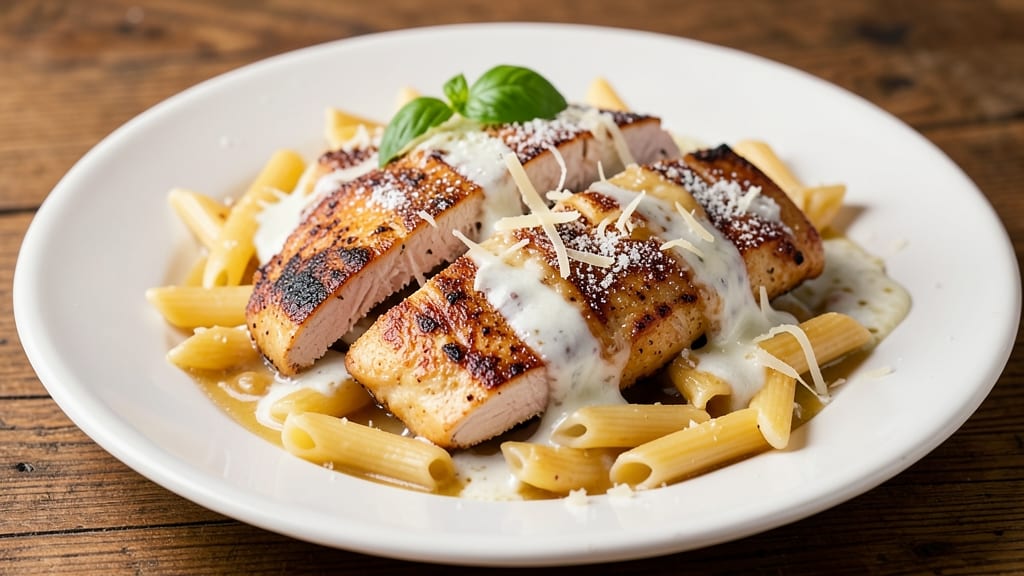
This Applebee's 3 Cheese Chicken Penne copycat recipe brings restaurant-quality comfort to your home kitchen—creamy triple-cheese sauce clinging to perfectly cooked penne and tender chicken, just like the original.
I spent months perfecting this version, ensuring the sauce stays velvety without breaking and the pasta achieves that signature al dente bite. The secret lies in proper sauce emulsification and timing, which I'll walk you through step by step.
What makes this copycat recipe work is the balance of cheeses—sharp cheddar, creamy mozzarella, and rich parmesan—combined with a simple but flavorful chicken seasoning. Unlike many restaurant copycats that require special equipment, this version uses only a large skillet and a few essential techniques.
The chicken stays juicy while developing a golden crust, and the sauce clings to every noodle without turning greasy.
By following this method, you'll recreate that restaurant-worthy experience at home—rich, cheesy, and satisfying in every bite. The sauce is thick enough to coat the pasta beautifully but light enough to let the chicken flavor shine through.
I've tested this recipe countless times to ensure it delivers consistent results, whether you're feeding a family or making a special weeknight dinner.
This recipe delivers on the copycat promise without requiring shortcuts that compromise quality. The key is patience—letting the sauce develop properly and cooking the pasta just until it's al dente. Once you try this version, you'll never need to order out again. Let's get cooking!
Ingredients for applebee's 3 cheese chicken penne copycat
These 15 ingredients deliver restaurant-quality triple-cheese sauce and al dente penne every time.
| Ingredient | Amount | Notes |
|---|---|---|
| Boneless, Skinless Chicken Breast 🍗 | 1 ½ lb | Pounded to even thickness |
| Penne Pasta 🍝 | 12 oz | Dry, al dente preferred |
| Sharp White Cheddar Cheese 🧀 | 1 cup | Shredded, block preferred |
| Low-Moisture Mozzarella Cheese 🧀 | 1 cup | Shredded, part-skim works |
| Parmesan Cheese 🧀 | ½ cup | Freshly grated, block preferred |
| Heavy Cream 🥛 | ½ cup | Full-fat for richness |
| Whole Milk 🥛 | ¼ cup | Warmed for smooth sauce |
| Unsalted Butter 🧈 | 2 tbsp | For sauce base |
| Garlic Cloves 🧄 | 4 cloves | Minced, fresh preferred |
| Yellow Onion 🧅 | 1 whole | Diced, medium size |
| All-Purpose Flour 🌾 | 1 tbsp | For roux, all-purpose works |
| Dried Oregano 🍃 | 1 tsp | Mediterranean blend preferred |
| Ground Black Pepper 🌶️ | ½ tsp | Freshly ground preferred |
| Salt 🧂 | 1 ½ tsp | Kosher or sea salt |
| Olive Oil 🫒 | 1 tbsp | For searing chicken |
The cheeses are non-negotiable here—sharp white cheddar brings the tang, low-moisture mozzarella delivers creaminess, and freshly grated Parmesan adds depth. I grab Kraft sharp white cheddar from the deli section (pre-shredded gets gummy) and Sargento mozzarella because it shreds perfectly. For Parmesan, Boar's Head or any block you can grate yourself—pre-grated tastes like sawdust. The chicken? Boneless, skinless breasts pounded to even thickness cook faster and stay juicier than thighs. Pound them between plastic wrap to avoid mess.
No heavy cream? Full-fat Greek yogurt at half the amount works in a pinch, though the sauce won't be quite as velvety. Short on mozzarella? Fontina cheese has a similar melt—just reduce by 20%. The roux needs all-purpose flour (not cake flour) for proper thickening. For the onion, yellow or red both work, but yellow has more natural sweetness. Fresh garlic is a must here—jarred garlic tastes like chemicals. Pro tip: Microwave your butter 40 seconds before adding to the pan so it melts instantly without burning. And if you're using pre-shredded cheese? Drain it and pat dry to remove anti-caking agents that make the sauce grainy.
This sauce reheats beautifully—just add a splash of milk to loosen it. Keeps for 4-5 days in the fridge, freezes for 3 months (portion into ice cube trays for single servings). The pasta? Cook it 1 minute less than package instructions—it'll finish cooking in the sauce. I always make a double batch of sauce because it's that good. Store leftovers in airtight containers, and if the sauce separates, just whisk it back together before reheating. Trust me, the first bite is worth every minute.
Why You'll Love This Recipe
- Here’s what sold me: this reheats like a dream. Pack leftovers for work or school, and it’s still creamy and satisfying. My kid actually asks for it in his lunchbox—yes, even on a Tuesday.
- One-Pot Magic: I swear by this recipe—just toss everything in one pot, and the cheddar, mozzarella, and parmesan melt together into that perfect creamy blanket over the penne. No extra bowls, no fuss, and the chicken stays juicy because it cooks right in the sauce.
- Cheese Overload (In a Good Way): Between us, the combo of sharp cheddar, gooey mozzarella, and that nutty parmesan is dangerously good. It’s rich but not heavy, and the way the cheeses layer—first the sharp bite, then the melt, then the finish—makes every bite feel like a little treat.
- Lunchbox Hero: Here’s what sold me: this reheats like a dream. Pack leftovers for work or school, and it’s still creamy and satisfying. My kid actually asks for it in his lunchbox—yes, even on a Tuesday.
Step-by-step instructions for Applebee's 3 cheese chicken penne
Here's how to nail the restaurant's signature dish at home—creamy, cheesy, and packed with flavor.
Pound and Sear the Chicken
Place the 1.5 lb boneless, skinless chicken breast between two sheets of plastic wrap. Using a meat mallet, pound it to an even ½-inch thickness—this ensures even cooking. Season both sides generously with 1 tsp salt and 0.25 tsp black pepper (half the total amounts).
Heat 1 tbsp olive oil in a large skillet over medium-high heat until shimmering. Add the chicken and cook for 4-5 minutes per side until the edges are golden brown and the internal temperature reaches 165°F. Transfer to a plate and let rest for 5 minutes while you prep the rest of the dish. The chicken should be juicy, not dry—this resting period is crucial.
Cook the Penne Al Dente
Bring a large pot of water to a rolling boil and add 1.5 tsp salt (about 12 oz penne pasta needs well-salted water). Add the pasta and cook until 1 minute before al dente—this means it should have a slight bite but still be tender. Drain, reserving ½ cup pasta water (this starchy liquid is your secret weapon for creamy sauce).
While the pasta cooks, dice the 1 whole yellow onion into ¼-inch pieces and mince the 4 cloves garlic. Set them aside—they'll join the sauce soon. The pasta water should be warm but not boiling when you use it later, so keep it nearby.
Build the Cheese Sauce
In the same skillet (no need to clean it—the browned bits add flavor), melt the 2 tbsp unsalted butter over medium heat. Add the diced onion and cook for 3-4 minutes until softened but not browned. Stir in the minced garlic and cook for 30 seconds until fragrant—don't let it burn, or it'll turn bitter.
Sprinkle the 1 tbsp all-purpose flour over the onions and garlic, stirring constantly for 1 minute to create a roux. This will thicken your sauce beautifully. Slowly pour in the 0.25 cup whole milk and 0.5 cup heavy cream, whisking until smooth. Add the 1 tsp dried oregano and remaining 0.25 tsp black pepper, then let the mixture simmer for 2-3 minutes until slightly thickened.
Combine and Cheese It Up
Cut the rested chicken into ½-inch strips and add it to the skillet with the sauce. Stir gently to coat the chicken in the creamy mixture. Now for the cheese magic: gradually sprinkle in the 1 cup shredded sharp white cheddar cheese, 1 cup shredded low-moisture mozzarella cheese, and 0.5 cup freshly grated parmesan cheese, stirring constantly until fully melted and smooth.
If the sauce looks too thick, add 1-2 tablespoons of the reserved pasta water to reach your desired consistency. The cheese should create a velvety, clingy sauce that coats every strand of pasta and every bite of chicken. Taste and adjust seasoning—you might need a pinch more salt or pepper.
Finish with Pasta and Serve
Add the cooked penne pasta to the skillet and toss everything together for 1-2 minutes until the pasta is fully coated and heated through. The dish should look rich and inviting, with melted cheese clinging to every noodle and chicken strip. If the sauce starts to separate, stir in another splash of pasta water.
Serve immediately while the cheese is still gooey and the pasta is al dente. This dish is all about that creamy, cheesy goodness melting in your mouth with every bite. Garnish with extra parmesan if you're feeling fancy—because you deserve it after all this work!
Pro Tips For Making Applebee'S 3 Cheese Chicken Penne Copycat
- SEAR CHICKEN UNTIL 165°F: That instant-read thermometer is your best friend here—don’t guess. Chicken breast goes from juicy to rubbery fast, and the copycat recipe counts on tender, evenly cooked pieces. Pull it just shy of 165°F, tent with foil, and let it rest for 5 minutes. I learned this the hard way when I overcooked a batch and ended up with sad, dry strips.
- GRATE CHEESE FRESH: Pre-shredded cheese has anti-caking agents that make the sauce grainy and separate. Grab a box of sharp white cheddar and low-moisture mozzarella, then grate them yourself—it takes 2 minutes and makes a world of difference. Use a microplane for the Parmesan; it melts smoother than pre-grated powder.
- DON’T BOIL THE PASTA: Penne pasta should be al dente but not mushy—taste it at 60 seconds before the package’s suggested cook time. If you overcook it, the sauce will turn into a gluey mess. Reserve a cup of pasta water, but don’t drown the penne in it; just add enough to loosen the sauce, not dilute it.
- MELT CHEESE SLOWLY: Dump all three cheeses into the pan at once and you’ll end up with a clumpy, uneven sauce. Instead, stir in the cheddar first, let it melt completely, then add the mozzarella, and finish with the Parmesan. This keeps the sauce silky and prevents lumps—trust me, your taste buds will notice.
Common mistakes when making perfect results
Overcooking Chicken
I’ve seen this happen more times than I can count—chicken that’s dry as a bone because it was cooked too long or at too high a heat. The key is to sear the chicken over medium-high heat for 4-5 minutes per side until it reaches 165°F internally.
If you’re using a meat thermometer, trust it—don’t rely on visual cues alone. My grandmother always said, "A juicy bite is a happy bite," and she was right. Overcooked chicken ruins the whole dish, so let it rest for 5 minutes after searing to redistribute those juices. 🍗
Skipping the Roux
The roux is the backbone of that velvety sauce, and skipping it or rushing it is a big mistake. When you stir in the 1 tbsp all-purpose flour and cook it for 1 minute over medium heat, you’re creating a base that will thicken the sauce beautifully.
If you rush this step or use low heat, the sauce will turn grainy or separate. I’ve learned the hard way—once, I burned the flour and had to start over. Trust me, 1 minute of patience here saves 10 minutes of frustration later.
Using Pre-Shredded Cheese
Pre-shredded cheese is convenient, but it’s also packed with anti-caking agents that make the sauce grainy and unappetizing. If you’re using pre-shredded cheese, drain it, pat it dry with a paper towel, and let it sit for 10 minutes before adding it to the sauce.
Even better? Buy block cheeses like Kraft sharp white cheddar or Sargento mozzarella and shred them yourself. The texture difference is night and day—your sauce will be smooth and luxurious, not clumpy. 🧀
Not Reserving Pasta Water
That ½ cup of starchy pasta water is your secret weapon for a creamy, clingy sauce. If you skip it, your sauce will turn dry and stiff, clinging only to the top of the pasta.
Save the water while draining the pasta, and add it 1 tablespoon at a time if the sauce gets too thick. I’ve seen people throw out this water without realizing how critical it is—don’t be one of them!
It’s the difference between a dish that’s good and one that’s restaurant-quality.
Overcrowding the Skillet
If you try to cook the chicken and sauce all at once in a small skillet, you’ll end up with steamed chicken and a watery sauce. Use a large skillet—at least 10 inches—so everything has room to cook properly.
If your skillet is too small, cook the chicken first, then remove it while you build the sauce.
I learned this the hard way when I tried to make this dish in my tiny college-era pan. Space is your friend—it keeps everything hot and crispy, not soggy and sad. 🔥
Underseasoning the Sauce
The cheese sauce is rich, but that doesn’t mean it’s automatically flavorful. Taste it before adding the pasta and adjust the seasoning with salt, pepper, or even a pinch of garlic powder if needed.
I’ve made this mistake more times than I’d like to admit—adding all the cheese but forgetting to taste until the very end. The sauce should be bold, not bland. Start with the seasonings called for in the recipe, but don’t be afraid to tweak it to your taste.
After all, this is your copycat dish, not Applebee’s. 💡
Nutrition facts
Frequently asked questions
Can I substitute chicken thighs for breasts in this recipe?
Yes, but with adjustments! Chicken thighs stay juicy longer, so reduce cooking time to 3-4 minutes per side (they're done at 165°F too). Skin-on thighs add flavor—remove skin before adding to the sauce. The thighs' higher fat content makes the dish even richer, but watch for excess moisture in the sauce. Pat thighs dry before cooking to prevent splattering.
What if my cheese sauce gets too thick?
Add the reserved pasta water 1 tbsp at a time while stirring constantly. The starch in the water helps emulsify the sauce beautifully. If you didn't reserve water, warm milk or heavy cream works in a pinch. Never add cold liquid—it shocks the cheese and causes separation. Stir vigorously until smooth, then taste and adjust seasoning.
How do I make this dish ahead of time?
Prepare the sauce and chicken separately, then refrigerate in airtight containers for 2 days. Reheat the sauce on low heat with a splash of milk, then add the pasta fresh. The chicken reheats best in a skillet with a little olive oil. For freezing, freeze sauce and chicken separately for 3 months—thaw overnight in the fridge before combining with freshly cooked pasta.
Can I make this vegetarian?
Replace chicken with grilled portobello mushrooms or crispy tofu cubes. For extra protein, add white beans or chickpeas. Keep the same cooking method—just ensure your protein reaches 165°F if using tofu. The cheese sauce will still cling perfectly to your vegetarian choice, creating a equally satisfying dish.
Why does my sauce separate when reheating?
This happens when the fat and liquid separate during cooling. Before reheating, whisk in 1 tbsp cold water or milk per cup of sauce. Heat gently on low, stirring constantly until smooth. For future batches, avoid rapid temperature changes—cool the sauce gradually after cooking. A splash of pasta water when reheating also helps restore that creamy texture.