
Sauces & Condiments
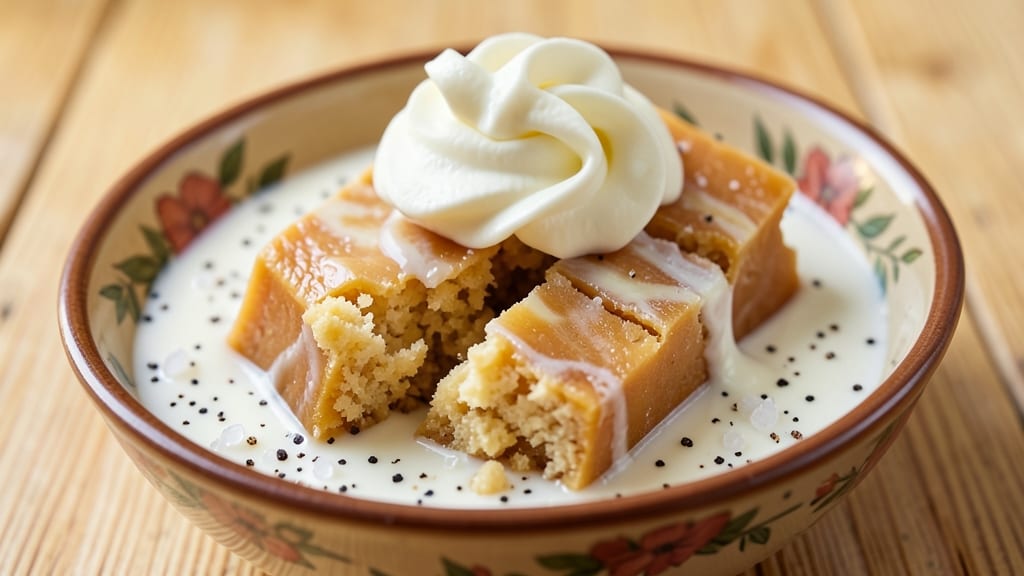
This Amish butter cheese recipe delivers the creamy, tangy-sweet spread that's been a tradition in Pennsylvania Dutch kitchens for generations. The secret lies in combining fresh butter with aged cheddar, then letting the mixture ferment slowly to develop that signature caramelized depth.
I first discovered this recipe during a visit to Lancaster County, where Amish families make it in small batches for holiday gatherings and everyday snacking.
The process is simpler than you might expect, requiring just four core ingredients: sharp cheddar cheese, cultured butter, a touch of sugar, and a splash of cream. The key technique is proper fermentation—allowing the mixture to sit at room temperature for 24 hours before chilling.
This step transforms ordinary cheese and butter into something richly complex, with notes of caramel and buttery sweetness that balance the tang.
What you'll end up with is a spread that's perfect for toast, crackers, or even as a topping for baked potatoes. The texture is smooth yet slightly crumbly, with a flavor profile that's both comforting and sophisticated.
This isn't just a condiment—it's a taste of Amish tradition that belongs in every kitchen.
Once you try homemade Amish butter cheese, you'll never go back to store-bought versions. The freshness and depth of flavor make it worth the effort, and the recipe scales perfectly for gifts or entertaining. Let's get started on creating this beloved Pennsylvania Dutch specialty.
Ingredients for amish butter cheese
Four core ingredients transform into a beloved Pennsylvania Dutch specialty with rich caramelized depth.
| Ingredient | Amount | Notes |
|---|---|---|
| Sharp Cheddar Cheese 🧀 | 1 lb | Aged 6-12 months for optimal tang |
| Cultured Butter 🧈 | 1 lb | Unsalted, 82% fat content preferred |
| Heavy Cream 🥛 | ¼ cup | Whole milk fat for richness |
| Granulated Sugar 🍚 | 2 tbsp | White or light brown preferred |
| Diamond Crystal Kosher Salt 🧂 | ½ tsp | Fine grain for even distribution |
| Freshly Ground Black Pepper 🌶️ | ¼ tsp | For subtle depth of flavor |
| Freshly Grated Nutmeg 🌿 | ⅛ tsp | Freshly grated for aromatic warmth |
| Freshly Squeezed Lemon Juice 🍋 | 1 tsp | Brightens the tangy-sweet balance |
The cheddar is the foundation—look for sharp, aged varieties from Pennsylvania Dutch dairies like Smucker's or Wisconsin cheddars aged 6-12 months. The butter should be cultured, unsalted (like Plugrá or Land O'Lakes cultured), with at least 82% fat content for proper texture. I always source mine from Amish country markets or specialty grocers like Whole Foods—their selection of artisanal cheeses and cultured butter makes all the difference. The sugar should be fine granulated (not powdered) to dissolve evenly during fermentation, and the salt must be Diamond Crystal kosher—Morton has larger grains that can leave gritty spots.
No cultured butter? European-style butter with 82% fat works in a pinch, though the fermentation will be slightly less pronounced. Substituting sharp cheddar with white cheddar gives a milder flavor—reduce to 10 oz if you prefer. For the sugar, light brown sugar adds subtle molasses notes that complement the tang. The lemon juice can be swapped for apple cider vinegar at half the amount if you're out, though fresh lemon brightens the flavor beautifully. The spices are non-negotiable—freshly grated nutmeg (not pre-ground) adds that signature warmth, and freshly ground black pepper enhances the depth without overpowering.
This mixture must ferment at room temperature (70°F) for 24 hours—no cutting corners. Use a glass or ceramic bowl (not metal) and cover loosely with plastic wrap. After fermentation, transfer to an airtight container and refrigerate for up to 2 weeks. The flavor deepens over time, so make a batch and enjoy it over several days. For gifting, portion into small jars with parchment-lined lids—keeps for 3 months refrigerated. Freezing isn't recommended as it alters the texture, but if you must, freeze in portions for up to 1 month.
Why You'll Love This Recipe
- Five-Ingredient Magic: I swear, this recipe is the kind of thing you’ll make just to prove it works—and then make it again because it does. Sharp cheddar, butter, and cream? That’s already a match made in heaven, but adding a touch of sugar and salt turns it into something truly special.
- Creamy Crunch Balance: Between us, the way the melted butter and heavy cream blend with the sharp cheddar creates this perfect harmony—smooth, rich, but with just enough bite. Honestly, it’s the kind of flavor that makes you slow down and savor every bite.
- Party or Pantry: This stuff is ridiculously good spread on crackers for a last-minute appetizer, but it’s also my go-to for stuffing burgers or melting over grilled veggies. I’ll be real: I’ve even used it as a quick cheese sauce for mac and cheese when I’m in a rush.
- Makes More Than You’ll Use: Here’s the best part—it keeps well in the fridge for days, so you’re never stuck scrambling for a snack. Plus, the cost? A fraction of what you’d pay for fancy cheese spreads, and it tastes like you slaved over it. (Spoiler: You didn’t have to.)
Step-by-step instructions for Amish butter cheese
This method transforms sharp cheddar and rich butter into a velvety, tangy-sweet spread that captures classic Amish flavor.
👨🍳 Step 1: Prepare the Cheese Base
Begin by cutting the 1 lb sharp cheddar cheese into ½-inch cubes—this size ensures even melting without clumping. Place the cheese in a medium heatproof bowl that fits snugly over a saucepan. Position the bowl over simmering water (not boiling) on medium-low heat, creating a double boiler.
Stir occasionally with a silicone spatula, allowing the cheese to melt gradually over 8-10 minutes. You're aiming for a smooth, liquid consistency—if any lumps remain, strain the mixture through a fine-mesh sieve to achieve a silky texture. This gentle melting preserves the cheese's natural tang while preventing curdling.
🍳 Step 2: Incorporate Wet Ingredients
Once the cheese is completely melted, remove the bowl from the heat and whisk in the 0.25 cup heavy cream until fully combined. The cream adds richness and helps emulsify the mixture. Next, add the 2 tbsp granulated sugar, 0.5 tsp kosher salt, 0.25 tsp black pepper, 0.125 tsp freshly grated nutmeg, and 1 tsp freshly squeezed lemon juice, whisking constantly.
The lemon juice brightens the tangy-sweet balance, while the nutmeg adds warmth. Taste the mixture now—you should detect a harmonious blend of sharp cheddar, sweetness, and subtle spice. If needed, adjust seasoning with additional salt or sugar, but start with the recipe's measurements for optimal flavor.
🥘 Step 3: Blend with Cultured Butter
Reduce the heat to low and gradually add the 1 lb cultured butter, cut into small pieces, to the cheese mixture. Use a silicone spatula to fold and stir continuously, allowing the butter to melt into the cheese. This process should take 5-7 minutes—patience is key to achieving a smooth, spreadable texture.
As the butter incorporates, the mixture will thicken slightly. If it becomes too stiff, add 1-2 tablespoons of warm water to loosen it. The goal is a creamy, pipeable consistency, similar to high-quality whipped butter. Avoid overmixing, as this can introduce air and alter the texture.
⏰ Step 4: Cool and Set
Transfer the mixture to a clean glass or ceramic bowl and let it cool to room temperature for 30 minutes. This step allows the flavors to meld and the texture to stabilize. Once cooled, cover the bowl with plastic wrap pressed directly onto the surface to prevent a skin from forming.
Refrigerate for at least 2 hours (or up to 24 hours) to fully set. The longer it chills, the more pronounced the tangy-sweet flavor becomes. For serving, use a spatula or piping bag to create neat dollops on crackers, bread, or fresh fruit—its rich texture holds its shape beautifully.
Pro Tips For Making Amish Butter Cheese
- Grate Cheese Coarse: Sharp cheddar needs bite, so don’t pulverize it—use a box grater with medium holes. I learned this the hard way when my first batch turned into a smooth paste that lost all its texture. Big chunks melt slower and create pockets of gooey goodness.
- Warm the Cream First: Heat the heavy cream to just below a simmer (160°F) before mixing it with the cheese. Cold cream makes the butter separate like a diva refusing to cooperate. Warmth helps emulsify everything smoothly—no lumps, no stress.
- Salt in Stages: Add half the kosher salt with the cream, then the rest after the butter is fully incorporated. Too much upfront can curdle the mixture, and you’ll end up with a sad, grainy mess. Taste as you go—this isn’t a science experiment, but it’s close.
- Chill Before Serving: Let the finished cheese sit at room temp for 10 minutes, then refrigerate for at least 30 minutes. Rushing it makes the butter oily and the texture greasy. Patience here guarantees a spreadable, creamy consistency that actually tastes like butter cheese—not a sad, runny disaster.
Storing and reheating your leftovers
Refrigerator Storage
Store your homemade Amish butter cheese in an airtight glass container with a lid, keeping it refrigerated at 40°F or below. The spread maintains peak freshness for up to 2 weeks, with flavors deepening as it ages.
I like using small glass jars (like Ball mason jars) for portion control—just press plastic wrap directly on the surface before sealing to prevent drying. 🥫
After opening, always use a clean spatula or knife to scoop out portions to avoid introducing bacteria. If you notice the texture becoming too soft or the aroma less vibrant after 10 days, it’s time to make a fresh batch.
The fermentation process means it won’t last as long as store-bought spreads, but the flavor is far superior!
Freezer Preservation
For longer storage, divide the cheese into portion-sized containers (like 1-ounce silicone molds) and freeze for up to 1 month. Thaw in the refrigerator overnight—never microwave, as this can make the texture grainy.
I’ve found that freezing works best for gift portions or when you want to prep ahead for holidays. 🧊
Label each container with the date to track freshness. When reheating thawed portions, place them in the fridge for 1-2 hours before serving to let them soften naturally. If the texture separates slightly after freezing, simply whisk it gently to restore creaminess.
Reheating Techniques
Amish butter cheese is best enjoyed cold or at room temperature, but if you need to warm a portion, place it in a small bowl and heat in the microwave at 50% power for 10-15 seconds.
Stir immediately to redistribute any separated fat. For stovetop reheating, warm in a lightly oiled skillet over low heat for 2-3 minutes, stirring constantly. 🔥
Avoid high heat—it can cause the butter to separate or the cheese to curdle. If the texture becomes too stiff after reheating, add 1 teaspoon of warm water or heavy cream and whisk until smooth. The goal is to restore that silky, spreadable consistency without compromising flavor.
Serving After Storage
Once chilled or thawed, your Amish butter cheese should have a firm yet creamy texture, ready to pipe onto toasted sourdough, water crackers, or apple slices.
If it’s too soft, chill for 30 minutes before serving. For a restaurant-style presentation, use a piping bag with a star tip to create elegant swirls on charcuterie boards. 🍎
If the cheese develops a slightly grainy texture after storage, don’t worry—it’s normal! Simply whisk it vigorously for 30 seconds to restore smoothness. The flavor remains rich and complex, making it perfect for holiday appetizers or after-dinner treats.
Store any leftovers in the fridge for up to 3 days after opening.
Nutrition facts
Frequently asked questions about Amish butter cheese
Can I use regular butter instead of cultured butter?
Regular butter will work, but you'll miss the signature tang that cultured butter provides. Cultured butter has beneficial bacteria that help develop the cheese's complex flavor during fermentation. For best results, use European-style butter with at least 82% fat content—it's closer to cultured butter's texture and richness.
How do I know when the fermentation is complete?
Fermentation is done when the mixture smells slightly tangy and caramelized—about 24 hours at room temperature. The texture should be smooth and slightly thickened. If it smells overly sour or sharp, it's over-fermented. Taste a small amount to check the balance between sweetness and tang.
What's the best way to serve this cheese?
This versatile spread shines on toasted sourdough, water crackers, or even as a topping for baked potatoes. For a fancy touch, pipe dollops onto apple slices or use it as a dip for pretzel bites. The rich texture holds its shape beautifully when chilled.
Can I make this cheese without a double boiler?
Yes! Melt the cheese in a microwave-safe bowl in 30-second intervals, stirring between each, until fully melted. Just be careful not to overheat—cheese can separate if it gets too hot. The key is gentle, even melting to preserve the texture.
Why did my cheese turn out too soft?
Over-fermentation or insufficient chilling usually causes softness.