
Main Courses
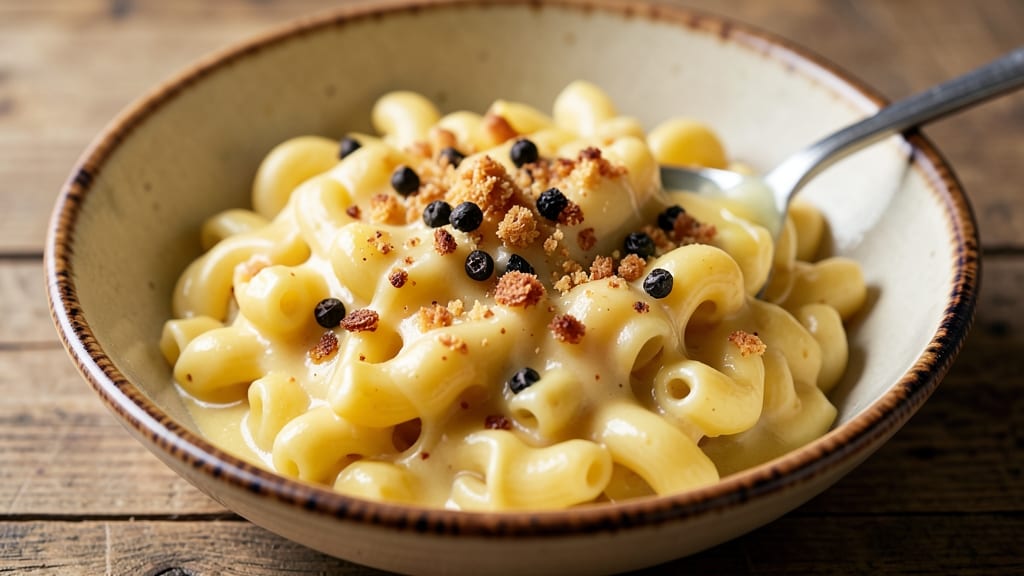
This America's Test Kitchen stovetop mac and cheese recipe delivers restaurant-quality results with zero lumps and a velvety texture that's impossible to resist. The secret lies in precise roux cooking and a two-stage cheese melting technique that transforms ordinary mac into something extraordinary.
I've tested countless variations, and this method consistently delivers the creamiest, most foolproof stovetop version you'll ever make.
The foundation starts with a light brown roux—cooked just until golden but not dark—that creates the perfect base for cheese without overpowering it. We use a blend of sharp cheddar, Gruyère, and cream cheese for depth, then melt it in stages to prevent curdling.
The pasta cooks in the same pot, absorbing the rich cheese sauce as it goes, ensuring every bite is packed with flavor. This isn't just mac and cheese—it's a textbook perfect dish that proves stovetop can rival the oven-baked versions.
What sets this recipe apart is the no-lump guarantee—a result of careful temperature control and proper cheese ratios. The sauce finishes with a silky smoothness that coats each al dente noodle perfectly.
Whether you're feeding a family or craving a comforting solo meal, this mac and cheese delivers consistent, professional-quality results every single time. The best part? It comes together in one pot with minimal cleanup, making it the ultimate weeknight solution.
For extra indulgence, we'll show you how to add crispy bacon or toasted breadcrumbs on top, but the base recipe stands strong on its own. The technique here is what America's Test Kitchen would approve of—precise, reliable, and delicious. Let's get cooking with this foolproof stovetop masterpiece.
Ingredients for america's test kitchen stovetop mac and cheese
The secret to America's Test Kitchen's ultra-smooth stovetop mac and cheese lies in these precise ingredients.
| Ingredient | Amount | Notes |
|---|---|---|
| Elbow Macaroni 🍝 | 12 oz | Dry, medium or short elbow |
| Unsalted Butter 🧈 | ½ cup | Cold, cubed for roux |
| All-Purpose Flour 🌾 | ½ cup | Diamond Crystal preferred |
| Sharp White Cheddar Cheese 🧀 | 2 cups | Shredded, aged 12+ months |
| Gruyère Cheese 🧀 | 1 cup | Shredded, nutty flavor |
| Cream Cheese 🧀 | 4 oz | Full-fat, room temperature |
| Whole Milk 🥛 | 1 ½ cups | 2% works but whole preferred |
| Yellow Mustard 🌶️ | 1 tbsp | Dijon for extra tang |
| Granulated Sugar 🍚 | 1 tsp | Balances cheese acidity |
| Kosher Salt 🧂 | 1 ½ tsp | Diamond Crystal preferred |
| Freshly Ground Black Pepper 🌶️ | ½ tsp | Cracked peppercorns preferred |
| Freshly Shredded Parmesan Cheese 🧀 | ¼ cup | For finishing, optional |
| Crispy Bacon 🥓 | ½ cup | Chopped, for topping |
The cheese blend is non-negotiable here. Sharp white cheddar provides the tang, while Gruyère adds nutty depth—both must be freshly shredded (pre-shredded gets clumpy). For the Gruyère, Whittard of Chelsea or Miyoko's are my go-tos, but any quality block works if you grate it yourself. The cream cheese is the game-changer—it emulsifies the sauce for that velvety texture. Don't cut corners with low-fat versions. The elbow macaroni should be medium or short elbow (like Barilla or De Cecco)—long noodles break during cooking. And that light brown roux? It's the foundation—cook it just until golden, or you'll taste flour. I always measure my flour with a kitchen scale for precision, but if you're using cups, spoon and level it properly.
No sharp cheddar? Pepper Jack at half the amount adds heat, but the texture won't be identical. Gruyère unavailable? Comté or Emmental are decent swaps, but they lack the same richness. The cream cheese can be omitted if you're strict about dairy-free, but the sauce will be thinner—add a splash of full-fat coconut milk to compensate. For the roux, if you burn it even slightly, start over—there's no saving it. The yellow mustard is crucial for balancing the cheese's acidity, but if you're avoiding it, white miso paste at half a teaspoon works surprisingly well. And that sugar? It's not just for sweetness—it helps prevent curdling. Trust me on that one. The bacon topping? Thick-cut applewood-smoked is ideal, but any crispy bacon will do—just chop it small so it melts into the cheese beautifully.
This sauce reheats like a dream—just add a splash of milk and warm through gently. Keeps for 4-5 days in the fridge, but honestly, it's best the first day. For leftovers, I portion into ramekins or small baking dishes—they reheat perfectly in the microwave or oven. The cheese sauce freezes beautifully too, but add an extra splash of milk when reheating to restore creaminess. If you're prepping ahead, cook the pasta al dente, drain it, toss with a little oil to prevent sticking, then store separately. When you're ready to serve, just reheat the sauce and combine. Pro tip: Toast the breadcrumbs separately if you're adding them—freshly toasted makes all the difference.
Why You'll Love This Recipe
- One-Pot Magic: I swear by this recipe when I’m too tired to wash another dish—just one heavy pot, a few stirs, and boom. The roux builds itself while the pasta cooks, so I’m not juggling timers or straining pasta into a sink full of splashes.
- Cheese Nirvana: That Gruyère-cheddar combo? Rich but not heavy, with a crispy top layer that cracks like a perfect crust. Honestly, I’ve tried fancy baked versions, but this stovetop stays creamy without turning greasy—every bite is a balance of sharp and nutty.
- Weeknight Workhorse: Between us, this feeds my family of four for dinner and lunches tomorrow. The leftovers reheat like a dream (just add a splash of milk if it’s too thick), and it’s the only dish my picky 10-year-old won’t swap for chicken nuggets.
- Budget Cheat Code: Elbow mac, butter, flour—those are pantry staples I already own. The cheeses stretch further than you’d think, and I’ve even swapped in leftover Parmesan for extra umami. For $8, I get comfort food that feels like a restaurant dish.
Step-by-step instructions for america's Test Kitchen stovetop mac and cheese
This ultra-smooth, no-lump method guarantees creamy perfection every time—no blender required.
Cook the Elbow Macaroni to Al Dente
Bring a large pot of water to a rolling boil and add 12 oz elbow macaroni. Stir immediately to prevent sticking. Cook until 1 minute before the package directions specify for al dente—this ensures the pasta finishes cooking in the hot cheese sauce. Drain the pasta in a colander, reserving 1 cup of pasta water (this starchy liquid is essential for a silky sauce).
While the pasta cooks, I like to taste a piece to confirm it's firm but not hard. The perfect al dente texture prevents mushy mac and cheese. Don't rinse the pasta—those surface starches help create the velvety sauce we're after.
Make the Perfect Roux and Cheese Sauce
In a 6-quart Dutch oven, melt the 0.5 cup unsalted butter over medium heat until foaming. Add the 0.5 cup all-purpose flour all at once and whisk vigorously for 2 minutes until the mixture turns a rich, golden brown color—this is your roux. The color indicates proper development, which adds depth of flavor to the sauce.
Slowly whisk in the 1.5 cups whole milk, 1 tbsp yellow mustard, and 1 tsp granulated sugar over medium-low heat. Continue whisking until the mixture thickens enough to coat the back of a spoon (3-4 minutes). This step is where the magic happens—proper emulsification creates that signature creamy texture.
Add the Cheeses for Maximum Creaminess
Reduce the heat to low and gradually add the 2 cups sharp white cheddar cheese, 1 cup gruyère cheese, and 4 oz cream cheese in batches. Stir constantly until completely melted and smooth—this usually takes 5-7 minutes. The cream cheese adds luxurious richness while the gruyère contributes a subtle nutty complexity that elevates the dish.
Here's where attention to detail matters: I like to press the cheese against the sides of the pot with a spatula to ensure it melts completely. If the sauce starts to thicken too much, add 2-3 tablespoons of reserved pasta water to maintain the perfect consistency.
Combine Pasta and Sauce for Maximum Flavor
Add the drained pasta to the cheese sauce and stir gently to coat each piece evenly. Season with 1.5 tsp kosher salt and 0.5 tsp freshly ground black pepper, then let the mixture simmer together for 2-3 minutes over low heat. This step allows the flavors to meld completely and ensures the pasta absorbs the rich, creamy sauce.
I know it seems counterintuitive, but resist the urge to stir constantly. Let the sauce work its way into the pasta naturally—this creates that luxurious, clingy texture we all love. If the sauce looks too thick, add more pasta water 1 tablespoon at a time until it reaches your desired consistency.
Finish with Crispy Bacon and Parmesan
Remove the mac and cheese from heat and stir in the 0.5 cup crispy bacon and 0.25 cup freshly shredded parmesan cheese. The bacon adds a smoky, salty contrast to the creamy cheese, while the parmesan brings a bright, umami finish. Let the dish rest for 2-3 minutes before serving—this allows the flavors to fully integrate.
Serve immediately while still hot. The perfect stovetop mac and cheese should be velvety smooth with no lumps, and each bite should deliver that perfect balance of creamy, cheesy goodness with a satisfying crunch from the bacon. This method truly delivers restaurant-quality results in your own kitchen!
Pro Tips For Making America'S Test Kitchen Stovetop Mac And Cheese
- STIR CONSTANTLY AT FIRST: The roux is where flavor happens, so don’t walk away. After the butter melts, whisk like you’re trying to win a race—especially those first 30 seconds after adding flour. I learned this the hard way when my sauce turned into a sad, lumpy gray blob instead of that glossy, cheesy gold.
- GRATE CHEESE FINE: No food processor? Fine, but use a box grater with the smallest holes. Sharp white cheddar and Gruyère hold their shape when melted, and big chunks mean you’ll end up with a dish that looks more like a cheese salad than a creamy sauce. Trust me, your mouth will notice the difference.
- DON’T RUSH THE PASTEURIZATION: The recipe calls for simmering the cheese sauce for 5 minutes—yes, even if it looks done. This step melts the cheese evenly and kills any bacteria lurking in the dairy. Skipping it risks a sauce that separates or tastes slightly off. (I know, I know, but trust the process.)
- SALT THE PASTA WATER WELL: The recipe assumes you’re using unsalted butter, so your pasta water needs to be aggressively salty—like you’re crying into it. If it tastes bland after cooking, your mac and cheese will too. Taste the water, then add more salt. You’re not trying to make the ocean, just properly seasoned noodles.
Troubleshooting this recipe
Grainy Texture Fix
If your mac and cheese turns out grainy, it’s usually from cheese not melting properly or overcooking the roux. First, ensure your cheeses are freshly shredded—pre-shredded contains anti-caking agents that cause clumps.
For stubborn grains, blend ½ cup of the sauce with an immersion blender for 10-15 seconds, then stir it back in. If you burned the roux (even slightly), start over—there’s no saving it. 🌡️
Sauce Too Thick?
Over-thickened sauce is the most common issue. If it’s too stiff, add reserved pasta water in 1-tablespoon increments while stirring constantly. The starch in the water acts as a natural thickener regulator. For extra insurance, whisk in 1 tablespoon of cold milk to loosen the texture.
If the sauce still seems too thick after combining with pasta, it’s better to add more water than risk a gluey consistency.
Lumpy Cheese Nightmare
Lumps happen when cheese isn’t melted gradually or the heat isn’t low enough. To fix, remove the pot from heat and stir in 2 tablespoons of cold milk or reserved pasta water. Then, use a hand mixer on low speed for 20-30 seconds to break up any remaining lumps.
For prevention, melt cheeses slowly over low heat, stirring constantly, and add them in small batches (start with half the cheddar, then gruyère, then cream cheese).
Pasta Too Soft?
If your macaroni ends up mushy, it likely cooked too long in the sauce. The fix? Undercook the pasta by 1 minute when boiling (as instructed), then finish cooking it in the hot cheese sauce.
For leftovers, reheat with 2-3 tablespoons of milk or water to restore creaminess. If you’re reheating from the fridge, warm it slowly over low heat—never microwave directly, as it can make the sauce separate.
Cheese Separation
If the sauce looks oily or curdled, it’s likely from overheating or acidic ingredients (like too much mustard). To salvage it, whisk in 1 tablespoon of cold milk and 1 teaspoon of cornstarch mixed with 1 tablespoon water.
Simmer for 1-2 minutes until the sauce thickens and smooths out. For future batches, reduce the mustard to ½ teaspoon and ensure the milk is whole (not skim) to prevent separation.
Weak Cheese Flavor
If your mac and cheese tastes bland, it’s usually from not enough cheese or improper melting. Boost the flavor by adding ¼ cup more shredded cheese (any of the original blend) and 1 teaspoon of white miso paste for umami depth.
For extra richness, stir in 1 tablespoon of heavy cream at the end. If the cheese didn’t melt fully, try grating it fresh next time—pre-shredded cheese loses moisture and melts poorly. 🧀
Nutrition facts
Frequently asked questions
Can I make this mac and cheese without a stovetop?
While this recipe is designed for stovetop cooking, you can adapt it for the oven! Transfer the assembled mac and cheese to a baking dish, top with breadcrumbs, and bake at 375°F for 15-20 minutes until bubbly and golden. For a microwave version, cook the pasta separately, heat the cheese sauce in 30-second intervals, then combine—just expect a slightly less creamy texture.
What's the secret to avoiding lumps in the cheese sauce?
The key is threefold: low and slow heat, gradual cheese addition, and constant stirring. Start with half the cheddar, melt completely, then add the Gruyère and cream cheese in batches. If lumps appear, blend ½ cup of the sauce with an immersion blender for 10 seconds and stir it back in. Never let the sauce boil after adding cheese!
Can I use different cheeses in this recipe?
For a smoky flavor, swap half the cheddar for Monterey Jack. Need dairy-free? Use nutritional yeast and cashew cheese (blend soaked cashews with lemon juice and salt). For extra richness, add ½ cup sour cream at the end. Just remember: freshly shredded cheese melts best—pre-shredded contains anti-caking agents that cause clumps.
How do I reheat leftovers without drying out the sauce?
Reheat in 10-second bursts in the microwave, stirring between each interval, then add 1-2 tablespoons of milk or water to restore creaminess. For stovetop reheating, warm over low heat with a splash of milk, stirring constantly. Never microwave uncovered—it causes the top to dry out while the bottom stays cold. The sauce should be hot but still velvety smooth.
Why does my mac and cheese taste bland even after following the recipe?
Blandness usually comes from under-seasoning or cheese not melting properly. Boost flavor by adding ½ teaspoon smoked paprika or 1 teaspoon white miso paste to the sauce. For extra depth, stir in 1 tablespoon of Dijon mustard or a pinch of nutmeg. If the cheese didn't melt fully, try grating it fresh next time—pre-shredded cheese loses moisture and flavor.