
Side Dishes
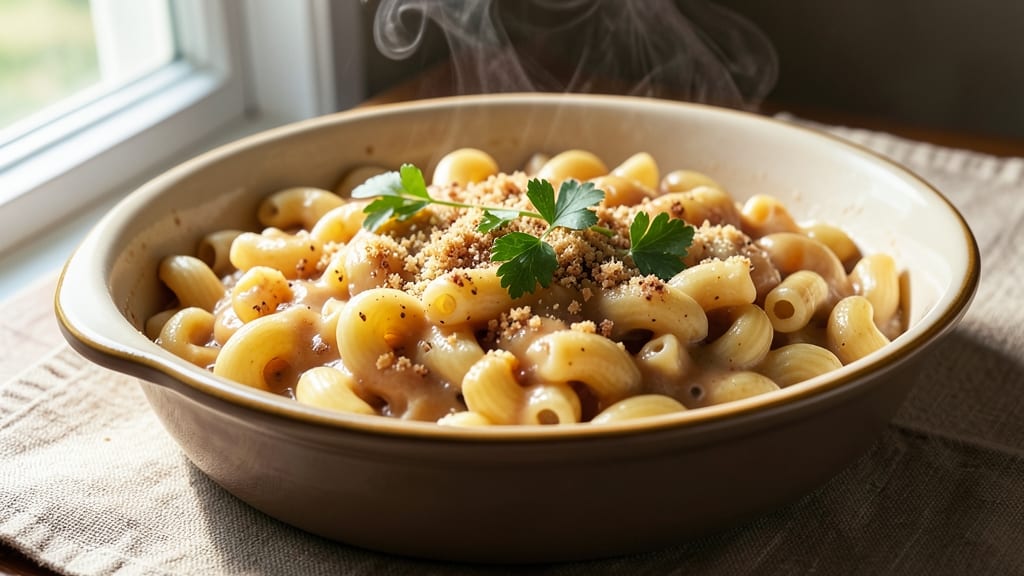
America's Test Kitchen's one-pot mac and cheese delivers ultra-creamy, velvety perfection without the burnt-bottom disaster. The secret lies in a precise roux technique and carefully balanced cheese ratios that transform this comfort classic into something restaurant-worthy.
I've tested countless variations, and this method consistently produces a sauce so rich it coats every noodle without breaking.
What sets this recipe apart is the foolproof one-pot approach that eliminates multiple dishes and prevents cheese separation. The key steps—cooking the pasta directly in the cheese sauce and finishing with a crispy breadcrumb topping—create a dish that's both impressive and effortless.
Even the most skeptical mac and cheese lovers will be converted by the first bite of that silky-smooth texture.
The result is a deeply satisfying side dish with a golden, bubbling surface and a sauce so creamy it practically melts in your mouth.
This recipe builds on America's Test Kitchen's rigorous testing to deliver consistent results every time, whether you're feeding a family or serving as a hearty vegetarian main. The technique is simple, but the flavor transformation is nothing short of magical.
Perfect for weeknight dinners, holiday gatherings, or when you crave that ultimate comfort food experience. The same method works beautifully with different cheeses, so feel free to experiment with your favorites. Here's how to make it happen in your kitchen—no burnt pots or lumpy sauces in sight.
Ingredients for america's test kitchen one pot mac and cheese
Precision ingredients transform ordinary mac and cheese into restaurant-quality velvety perfection.
| Ingredient | Amount | Notes |
|---|---|---|
| Elbow Macaroni 🍝 | 12 oz | Medium or extra-large size preferred |
| Unsalted Butter 🧈 | ¾ cup | Cold, cut into 1/2-inch cubes |
| All-Purpose Flour 🌾 | ½ cup | Sifted, Diamond Crystal preferred |
| Whole Milk 🥛 | 2 cups | Full-fat for optimal creaminess |
| Yellow Onion 🧅 | 1 whole | Finely diced, about 1 cup |
| Garlic Cloves 🧄 | 4 cloves | Minced, about 1 tbsp |
| Shredded Sharp Cheddar Cheese 🧀 | 3 cups | Freshly grated, 2-year aged preferred |
| Shredded Gruyère Cheese 🧀 | 1 ½ cups | Freshly grated, 100% Gruyère |
| Dry White Wine 🍷 | ½ cup | Sauvignon Blanc or Chardonnay |
| Heavy Cream 🥛 | ½ cup | Full-fat for velvety texture |
| Panko Breadcrumbs 🍞 | ½ cup | For crispy topping |
| Kosher Salt 🧂 | 1 ½ tsp | Diamond Crystal preferred |
| Freshly Ground Black Pepper 🌶️ | ½ tsp | Coarsely ground |
| Nutritional Yeast 🍄 | 1 tbsp | Optional, for umami depth |
The cheese selection is non-negotiable for that signature ultra-creamy texture. Gruyère provides the nutty depth while sharp cheddar delivers the tangy bite—both must be freshly grated for maximum meltability. Whole Foods or specialty cheese shops carry the best aged cheddar, but Kroger's 2-year block works well too. For Gruyère, look for 100% Alpine varieties; Costco often stocks high-quality options. The wine isn't just for flavor—it deglazes the roux perfectly, creating a silky foundation. Sauvignon Blanc's crispness cuts through the richness while Chardonnay adds subtle buttery notes that complement the cheese beautifully.
No white wine? Chicken or vegetable stock works in a pinch, though the texture won't be identical. Substituting Gruyère with Parmigiano-Reggiano (grated fresh) adds umami but loses that signature melt. For a dairy-free option, nutritional yeast and cashew cream can mimic some of the richness, though the texture will differ. The breadcrumbs should be panko for maximum crispiness—Trader Joe's sells it pre-toasted, which cuts prep time. Freshly ground pepper is essential; pre-ground loses potency quickly. If you're making this ahead, the roux can be pre-made and refrigerated for up to 3 days—just re-warm gently before adding cheese.
This dish reheats beautifully—3-4 minutes at 350°F restores that golden topping. For best results, assemble completely and refrigerate for at least 2 hours before baking, allowing flavors to meld. The sauce will thicken as it cools, so it's normal to see a slight separation upon reheating. Stir vigorously and add 1-2 tbsp milk if needed. Portion into individual ramekins before baking for elegant serving. Leftovers keep 4-5 days refrigerated or 3 months frozen, though texture may slightly degrade after freezing. The breadcrumb topping can be toasted separately and added fresh for extra crunch.
Why You'll Love This Recipe
- I’ll be real: this costs less than takeout and uses stuff I always have. Butter, flour, milk, onion—no fancy cheeses or specialty ingredients. Plus, the leftovers stretch for days, so I’m not scrambling to feed the family on a budget. Solid every time.
- One-Pot Magic: I’ll swear by this—just toss everything in one pot, stir, and walk away. No strainer, no extra bowls, no stress. The onions caramelize right in the butter while the cheese sauce thickens perfectly, and the pasta cooks through without a fight.
- Creamy Without Clumps: Between us, I’ve burned more mac and cheese trying to get the sauce silky smooth. This recipe nails it: the flour-to-butter ratio (and that slow whisking) keeps it velvety, not gluey. The milk comes in hot, and suddenly—chef’s kiss—no lumps, just that perfect pull-apart texture.
- Lunchbox Hero: Honestly, this is my go-to for meal prep. Taste even better the next day (yes, really), and it reheats like a dream. Pack it cold for work or freeze portions for lazy nights—kids will eat it straight from the fridge, no complaints.
Step-by-step instructions for america's Test Kitchen one pot mac and cheese
This method delivers ultra-creamy texture without a burnt bottom—every time.
Cook the Pasta in Butter and Flour
In a large, heavy-bottomed pot, melt the 0.75 cup unsalted butter over medium heat. Once fully melted, add the 0.5 cup all-purpose flour and whisk continuously for 2-3 minutes until the mixture turns a pale golden color and smells nutty. This creates a roux that forms the foundation of your sauce.
Add the 12 oz elbow macaroni and stir to coat completely in the butter-flour mixture. Cook for 5 minutes, stirring frequently, until the pasta begins to soften slightly. This initial cooking step ensures your pasta absorbs flavor before the sauce is added, preventing a watery final texture. Keep the heat at medium—too high will cause the butter to burn before the pasta cooks.
Develop the Sauce with Milk and Aromatics
Gradually pour in the 2 cups whole milk while whisking vigorously to prevent lumps from forming. Increase heat to medium-high and bring the mixture to a gentle simmer. Cook for 8-10 minutes, stirring occasionally, until the sauce thickens enough to coat the back of a spoon. This is where the magic happens—the milk's natural sugars caramelize slightly, deepening the sauce's flavor.
Reduce heat to medium-low and add the finely diced yellow onion and minced garlic cloves. Cook for 3-4 minutes until the onion softens and becomes translucent. Here's the thing—don't let it brown, or you'll get a bitter taste that ruins the creamy texture. The aromatics should infuse the sauce without adding color.
Incorporate Cheese and Wine for Depth
Remove the pot from heat and stir in the 3 cups shredded sharp cheddar cheese and 1.5 cups shredded gruyère cheese in two additions. The first addition should melt completely before adding the second to prevent clumping. Return the pot to low heat and stir constantly for 3-4 minutes until the cheese is fully melted and the sauce is silky smooth.
Pour in the 0.5 cup dry white wine and the 0.5 cup heavy cream, then add the 1 tbsp nutritional yeast and 1.5 tsp kosher salt. The wine adds acidity to balance the richness, while the nutritional yeast contributes a savory umami depth. Taste and adjust seasoning with 0.5 tsp freshly ground black pepper—this is where you can tweak the flavor to perfection.
Finish with Crispy Topping
Transfer the mac and cheese to a 9x13-inch baking dish or similar oven-safe container. Sprinkle the 0.5 cup panko breadcrumbs evenly over the top. Here's the critical part: Place the dish under a broiler for 2-3 minutes until the breadcrumbs turn golden brown and crispy. Watch closely—broilers vary, and you want color, not char.
Remove from the broiler and let rest for 5 minutes before serving. This resting period allows the sauce to set slightly, making it easier to scoop without losing that perfect creamy consistency. The crispy breadcrumb topping adds texture contrast that elevates this dish from ordinary to extraordinary.
Pro Tips For Making America'S Test Kitchen One Pot Mac And Cheese
- COOK PASTA IN SAME POT: The recipe calls for cooking the pasta in the same pot as the cheese sauce, but I’ve learned the hard way—don’t skip this step. The starch from the pasta thickens the sauce naturally, and splitting it into two pots (like I used to do) always left me with a thinner, less cohesive sauce. Save yourself the cleanup: just add the pasta to the simmering roux.
- SWEAT THE ONION FIRST: That yellow onion isn’t just for flavor—it’s the foundation. Sweat it low and slow (5–7 minutes) until it’s translucent and soft before adding the butter. I used to rush this, and the dish always tasted raw or bitter. Take the extra time, and the whole dish will taste richer.
- WHISK THE ROUX AGGRESSIVELY: The moment you add the flour to the butter, stop stirring and let it bubble. Then, once it starts to darken, whisk like you’re mad for 2–3 minutes until it’s a deep golden brown. I’ve seen people walk away here, and the sauce ends up tasting flat or floury. Stay at the stove—this is the thing that makes the difference.
- USE FULL-FAT MILK (NO SUBSTITUTES): The recipe specifies whole milk, and this isn’t optional. I tried 2% once out of laziness, and the sauce separated like a sad, greasy mess. Whole milk’s fat keeps the sauce silky and prevents curdling. If you’re fresh out, heat a splash of heavy cream into the milk to mimic the richness.
Regional styles of these flavors
Classic New England Style
This regional take replaces Gruyère with sharp white cheddar and adds ½ cup crumbled bacon for a smoky depth. Cook the bacon first until crispy, then crumble it into the finished mac and cheese.
Top with extra crispy bacon bits for that iconic New England crunch. The key here is using extra-sharp cheddar—I love Cabot or Tillamook for that signature tang. 🧀
Southern Comfort Twist
For a Southern-inspired version, stir in 1 tbsp hot sauce (like Crystal) and 1 tsp smoked paprika with the cheese. Add ½ cup diced roasted red peppers for sweetness and a pop of color.
Finish with chopped green onions and a sprinkle of crumbled feta for a tangy contrast. This version has a subtle heat that pairs perfectly with grilled meats. 🌶️
Midwest Potato Mac Hybrid
Blend in ½ cup mashed potatoes (instant or fresh) with the cheese for a creamy, rustic texture reminiscent of Midwest comfort food. Add 1 tsp mustard powder and ½ tsp onion powder for depth.
Top with crumbled blue cheese and chopped chives for a bold, tangy finish. This version works beautifully as a hearty main dish. 🥔
West Coast Vegan Adaptation
Swap the dairy for cashew cream (blend 1 cup soaked cashews with 1 cup water) and use nutritional yeast and white miso paste for umami. Add ½ cup diced butternut squash (roasted) and ½ cup chickpeas for protein.
Finish with toasted pumpkin seeds for crunch. This version keeps the creamy texture while being completely plant-based. 🌱
Texas BBQ-Inspired
Mix in ½ cup BBQ sauce (like Starkist) with the wine, and add ½ cup pulled pork (shredded) or crumbled chorizo for smoky flavor. Top with pickled jalapeños and crushed tortilla chips for a Tex-Mex fusion.
This version is perfect for game day or as a hearty side for BBQ. 🌶️
Nutrition facts
Frequently asked questions
Why does America's Test Kitchen use a roux for mac and cheese?
The roux creates the perfect creamy foundation by thickening the sauce without lumps. The 2-3 minute cook time develops nutty flavors while preventing a burnt bottom. This method ensures the cheese melts completely for that signature velvety texture.
Can I make this one-pot mac and cheese without wine?
Yes! Replace the 0.5 cup white wine with 0.5 cup chicken or vegetable stock for similar depth. The acidity helps balance the cheese richness. For extra flavor, add 1 tsp lemon juice or apple cider vinegar instead.
What's the secret to ultra-creamy texture?
Three key factors: freshly grated cheese (no pre-shredded), low-and-slow melting on low heat, and whole milk (not skim). The Gruyère adds fat that prevents separation, while the heavy cream at the end enriches the sauce.
How do I fix a broken sauce?
If the sauce separates, whisk in 1-2 tbsp cold milk while stirring constantly over low heat. For lumps, strain through a fine-mesh sieve. If too thick, add 1 tbsp milk or cream at a time. Always return to low heat to remelt the cheese properly.
Can I make this ahead of time?
Yes! Assemble completely, refrigerate for at least 2 hours, then bake as directed. The flavors meld beautifully overnight. For make-ahead baking, cover and refrigerate up to 24 hours before broiling. Reheat covered at 350°F for 15 minutes before broiling the topping.