
Appetizers
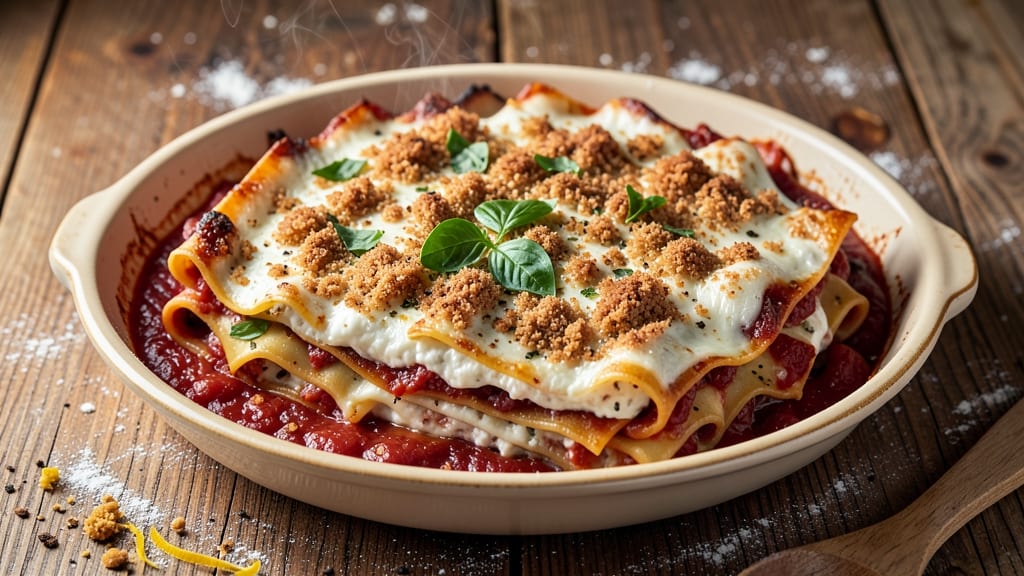
America's Test Kitchen cottage cheese lasagna delivers restaurant-quality layers with a lighter touch—no heavy cream required. The secret lies in blending cottage cheese with ricotta for a rich, creamy texture that holds up perfectly during baking.
This method transforms traditional lasagna by cutting calories while maintaining that signature melt-in-your-mouth quality we all crave.
What sets this recipe apart is the precision in layering and baking technique, developed through rigorous testing. The cottage cheese mixture creates a velvety, slightly tangy filling that pairs beautifully with classic lasagna flavors.
Every component—from the noodles to the cheese—works together to deliver a dish that's both indulgent and balanced.
By the time it emerges from the oven, you'll have golden-brown layers with tender noodles and a bubbling cheese topping that's impossible to resist. The cottage cheese adds subtle protein and moisture without overpowering the rich tomato sauce and herbs. This is comfort food reimagined—comforting yet lighter than traditional versions.
Perfect for family dinners, holiday gatherings, or when you want to impress without sacrificing health-conscious choices. The recipe scales easily for larger crowds while maintaining its signature texture and flavor. Let's get started on this foolproof lasagna that delivers on every layer.
Ingredients for america's test kitchen lasagna with cottage cheese
Precision-layered ingredients for a lasagna that's rich yet lighter than traditional versions.
| Ingredient | Amount | Notes |
|---|---|---|
| No-Boil Lasagna Noodles 🍝 | 12 sheets | Uncooked, oven-ready |
| Small-Curds Cottage Cheese 🧀 | 2 cups | Full-fat, 2% or 4% |
| Part-Skim Ricotta Cheese 🧀 | 1 ½ cups | Drained if watery |
| Large Eggs 🥚 | 2 whole | Room temperature |
| Fresh Basil Leaves 🌿 | ½ cup | Chopped, stems removed |
| Garlic Cloves 🧄 | 4 cloves | Minced, not powdered |
| Extra-Virgin Olive Oil 🫒 | ¼ cup | High-quality, fruity |
| Diamond Crystal Kosher Salt 🧂 | 1 ½ tsp | Adjust to taste |
| Freshly Ground Black Pepper 🌶️ | ½ tsp | Coarsely cracked |
| San Marzano Crushed Tomatoes 🍅 | 28 oz | High-quality canned |
| Tomato Paste 🍅 | 2 tbsp | Smooth, not chunky |
| Dried Oregano 🍃 | 1 tsp | Mediterranean blend |
| Red Wine 🍷 | ½ cup | Dry, bold variety |
| Shredded Mozzarella Cheese 🧀 | 2 cups | Part-skim, low-moisture |
| Grated Parmesan Cheese 🧀 | ½ cup | Freshly grated |
The cottage cheese is the star here—full-fat, small-curd varieties like Tillamook or Organic Valley create the velvety texture without heaviness. Part-skim ricotta balances richness while keeping calories in check. For the best results, use no-boil lasagna noodles—they absorb moisture perfectly without pre-cooking. Fresh basil and garlic should be bright green and aromatic, not wilted or pungent. The San Marzano tomatoes are non-negotiable; their sweetness and acidity elevate the sauce. Whole Foods Market or specialty Italian markets carry the best quality, but any reputable grocery store's canned section will have decent options.
No cottage cheese? Greek yogurt at a 1:1 ratio works surprisingly well, though texture will differ slightly. Fresh herbs unavailable? Dried oregano at half the amount maintains flavor, but fresh basil's aroma is irreplaceable. Red wine can be swapped for extra tomato paste plus a splash of balsamic vinegar—just reduce the sauce longer to deepen flavor. The mozzarella must be low-moisture, part-skim to avoid a soggy lasagna. Pre-shredded cheese contains anti-caking agents that prevent proper melting; block cheese is essential. For the Parmesan, grate it yourself—pre-grated versions contain fillers that alter texture.
Prepare the cottage cheese mixture up to 24 hours ahead and refrigerate, covered. The lasagna assembles best 1 hour before baking to allow flavors to meld. Store leftovers in an airtight container for 4-5 days in the fridge, or freeze for 3 months. Reheat covered at 350°F for 20 minutes to restore crispness to the noodles. For make-ahead convenience, assemble the lasagna without the final cheese layer, refrigerate overnight, then add cheese and bake the next day—this prevents a soggy top.
Why You'll Love This Recipe
- Here’s what sold me: that tangy, creamy cottage cheese blends into the ricotta like a dream, giving every bite a subtle brightness. (Yes, even my basil-hating brother asks for seconds now.)
- No-Boil Magic: I swear by those lasagna noodles—no pre-boiling, no waiting, just layer and bake. The moment they soften just enough while the cheese melts? That’s when you know you’ve won.
- Cottage Cheese Secret Weapon: Here’s what sold me: that tangy, creamy cottage cheese blends into the ricotta like a dream, giving every bite a subtle brightness. (Yes, even my basil-hating brother asks for seconds now.)
- Weeknight Workhorse: Between us, this is my go-to when I’ve got a house full of people and zero energy. Double the batch, freeze half—then pull it out for a lazy Sunday or a potluck where you’ll get compliments but no extra work.
Step-by-step instructions for america's test kitchen cottage cheese lasagna
This lasagna delivers rich, creamy layers without heavy cream—just precise technique and quality ingredients.
Prepare the Cottage Cheese and Ricotta Mixture
In a medium bowl, combine the 2 cups small-curds cottage cheese and 1.5 cups part-skim ricotta cheese. The cottage cheese adds a subtle tang while keeping the texture light and airy. Use a fork to break up any large curds for a smoother consistency.
Add the 2 whole large eggs, 0.5 cup chopped fresh basil leaves, 4 cloves minced garlic, 1.5 teaspoons diamond crystal kosher salt, and 0.5 teaspoon freshly ground black pepper. Mix thoroughly until fully combined—this blend forms the lasagna's signature creamy, flavorful filling. The basil and garlic will infuse deeply during baking.
Assemble the Tomato Sauce
In a separate bowl, mix the 28 oz san marzano crushed tomatoes, 2 tablespoons tomato paste, 1 teaspoon dried oregano, and 0.5 cup red wine. Stir well to distribute the flavors evenly. This sauce provides the lasagna's vibrant, acidic base that balances the richness of the cheese layers.
For extra depth, let the sauce sit at room temperature for 10 minutes before assembling. This allows the flavors to meld slightly, creating a more cohesive taste profile. The wine will mellow out, preventing any harsh alcohol notes in the final dish.
Layer the Lasagna with Precision
Spread 1 cup of the tomato sauce evenly on the bottom of a 9x13-inch baking dish. This creates a flavorful barrier between the noodles and the pan, preventing sticking. Place 4 sheets of no-boil lasagna noodles over the sauce, slightly overlapping them if needed to cover the base completely.
Spread half of the cottage cheese-ricotta mixture evenly over the noodles, followed by 1 cup of shredded mozzarella cheese and ¼ cup of grated parmesan cheese. Repeat with another layer of noodles, remaining cheese mixture, mozzarella, and parmesan. Top with the final 4 sheets of noodles, remaining sauce, and a final sprinkle of mozzarella and parmesan.
Bake to Golden Perfection
Cover the lasagna tightly with heavy-duty aluminum foil and bake at 375°F for 35 minutes. This initial covered bake ensures the noodles soften without drying out. After 35 minutes, remove the foil and bake uncovered for another 15-20 minutes until the top is golden brown and bubbly.
The lasagna is done when the edges are crisp and the cheese has formed a light crust. Let it rest for 15 minutes before slicing—this allows the layers to set and prevents a runny filling. The cottage cheese adds moisture without heaviness, while the no-boil noodles stay perfectly al dente.
Pro Tips For Making America'S Test Kitchen Lasagna With Cottage Cheese
- Drain Cottage Cheese Well: This isn’t the prettiest step, but it’s the thing that matters most for that creamy, not-watery texture. After opening the container, let the cottage cheese sit in a colander lined with cheesecloth for 10 minutes—press gently with a spoon to squeeze out excess moisture. I learned this the hard way when my first batch turned out soggy.
- Preheat Your Pan: Skip the "I’ll just eyeball it" approach—preheat your 9x13-inch baking dish in the oven for 10 minutes at 375°F. The noodles will cling better to the edges, and the cheese layers won’t slide around when you transfer it. (Yes, even if you’re impatient like me, this makes a real difference.)
- Layer the Noodles Dry: Wet noodles = a gummy mess. Pat your no-boil lasagna noodles dry with a paper towel before assembling—especially the edges. I was skeptical until I tried it: the noodles hold their shape, and the cheese doesn’t turn into a gluey disaster. Sounds weird, but it works.
- Bake Covered, Then Uncovered: Start with foil over the lasagna for the first 25 minutes to melt the cheese evenly, then remove it for the last 10 minutes. This guarantees a golden top without a steamy, undercooked center. My grandmother swore by this, and she was right: the contrast in textures is what makes this recipe shine.
Essential equipment for this recipe
Baking Dish Essentials
Use a 9x13-inch heavy-duty baking dish—Ceramic or high-quality stainless steel works best for even heat distribution. I recommend Le Creuset stoneware for its durability and consistent performance. Avoid dark-colored dishes as they absorb heat unevenly, potentially burning the bottom while the top stays undercooked. 🔥
Cheese Tools Matter
Invest in a sharp microplane for grating Parmesan—pre-grated cheese contains anti-caking agents that prevent proper melting. For mozzarella, use a hand grater or food processor with a shredding blade.
I keep a small cheese grater (like the OXO Good Grips) in my kitchen solely for this purpose. 🧀
Precision Measuring
For the cottage cheese and ricotta mixture, use a kitchen scale for accuracy—240g cottage cheese and 400g ricotta ensures consistent texture. A stainless steel mixing bowl (like OXO Good Grips) helps prevent flavor transfer from plastic.
Measure olive oil with a small measuring cup for precise ¼ cup amounts. 🫒
Foil & Ventilation
Use heavy-duty aluminum foil (like Reynolds Wrap) to cover the lasagna during the initial bake. Poke a few small holes in the foil to allow steam to escape—this prevents a soggy texture.
For the final uncovered bake, prop the foil slightly open with a wooden spoon to create airflow. ⚡
Resting & Serving
A lasagna cutter (like the OXO Good Grips) makes clean slices without smashing layers. For resting, I use a wire cooling rack placed over a baking sheet to prevent sogginess. A spatula with a long handle helps transfer the lasagna from dish to cutting board safely. 💫
Nutrition facts
Frequently asked questions
Why does this recipe use cottage cheese instead of ricotta?
The cottage cheese adds subtle tanginess and a lighter texture while maintaining creaminess. When blended with ricotta, it creates a more balanced filling that's rich but not overly heavy—perfect for layering. The small curds also help distribute moisture evenly during baking.
Can I make this lasagna ahead of time?
Assemble the lasagna (without the final cheese layer) up to 24 hours ahead and refrigerate. Add the cheese topping and bake when ready—this prevents a soggy top. For freezing, assemble completely, cover tightly, and freeze for up to 3 months.
What if my lasagna turns out too dry?
If the noodles are dry, try adding a thin layer of marinara sauce between layers next time. For a baked lasagna, cover with foil during baking and check at 30 minutes—overbaking is the usual culprit. The cottage cheese mixture helps retain moisture, but proper layering is key.
Can I substitute Greek yogurt for cottage cheese?
Yes, but the texture will differ slightly. Use 1:1 ratio of full-fat Greek yogurt and reduce ricotta by ¼ cup to maintain balance. The yogurt adds brightness but lacks cottage cheese's subtle tang. For best results, strain yogurt for 10 minutes first to remove excess liquid.
How do I get the perfect golden-brown top?
Broil for 2-3 minutes at the end with foil removed, watching closely. Use a mix of mozzarella and Parmesan on top—the Parmesan helps create a crispy crust. For even browning, rotate the dish halfway through the uncovered bake.