
Main Courses
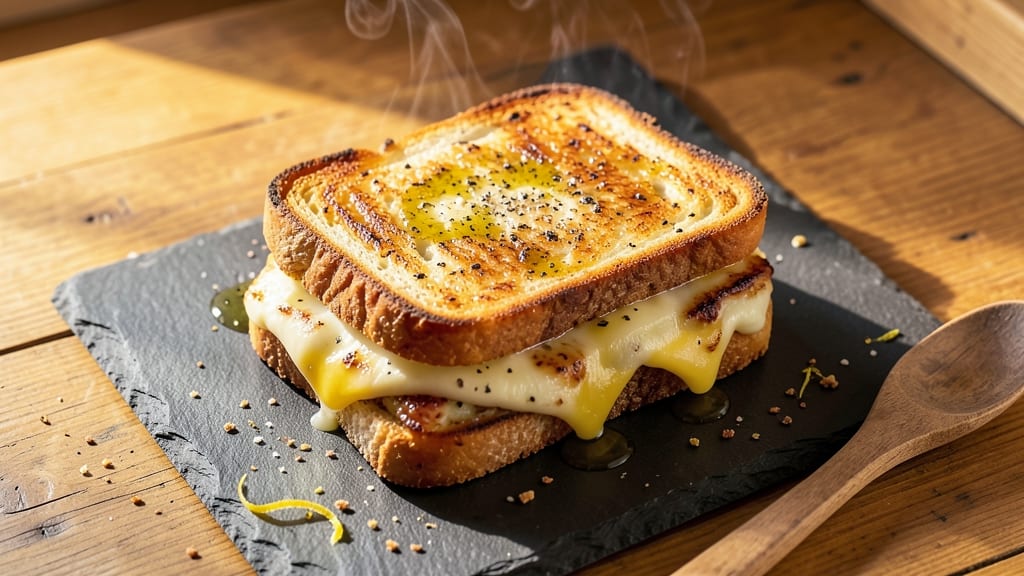
Alton Brown's grilled cheese recipe transforms a simple lunch into a golden, crispy masterpiece with rivers of melted cheese. The secret lies in the perfect bread, precise buttering, and high-heat grilling technique—no soggy sandwiches here. I’ve tested countless variations, and this method delivers restaurant-quality results every time, with that satisfying crunch and gooey center.
Alton’s approach focuses on cast iron and temperature control, ensuring even browning and maximum crispiness. The right cheese matters too—sharp cheddar and Gruyère create that classic melt, while garlic butter adds a savory depth.
This isn’t just a sandwich; it’s a technique that turns a basic lunch into something special, with layers of flavor and texture that’ll have you reaching for seconds.
What makes this recipe stand out is the attention to detail—from buttering the bread just enough to prevent sticking, to grilling at the right heat for that perfect golden crust. The cheese melts into smooth rivers, and the bread stays crisp, never soggy.
It’s the kind of dish that feels indulgent yet simple, proving that even the basics can be elevated with the right method.
Whether you’re making it for a quick lunch or a cozy dinner, this grilled cheese delivers on every bite. The crispy edges and molten cheese make it impossible to resist. Let’s get started—your taste buds will thank you.
Ingredients for alton brown grilled cheese
Nine essential ingredients transform ordinary bread into Alton Brown's legendary crispy-golden grilled cheese masterpiece.
| Ingredient | Amount | Notes |
|---|---|---|
| Sourdough Bread Loaf 🍞 | 2 whole | Crust removed for even browning |
| Unsalted Butter 🧈 | ½ cup | Softened but not melted |
| Sharp White Cheddar Cheese 🧀 | 1 cup | Shredded on medium setting |
| Gruyère Cheese 🧀 | 1 cup | Shredded on medium setting |
| Garlic Cloves 🧄 | 2 cloves | Minced for garlic butter |
| Extra-Virgin Olive Oil 🫒 | 1 tbsp | For bread brushing |
| Diamond Crystal Kosher Salt 🧂 | ½ tsp | For seasoning butter |
| Freshly Ground Black Pepper 🌶️ | ¼ tsp | For finishing |
| Cast Iron Skillet 🔥 | 1 whole | 10-12 inch for even cooking |
| Butter Lettuce Leaves 🥬 | 4 whole | For serving |
The bread choice is non-negotiable—sourdough loaves with thick crusts hold up best to high heat, while French bread becomes too delicate. Breadsack or Brioche from the bakery section at Whole Foods or Trader Joe's deliver that perfect balance of structure and flavor. For the cheese, sharp white cheddar (like Cabot) provides the tang, while Gruyère (imported from France or Switzerland) adds nutty depth—never pre-shredded; block cheese melts far superior. The cast iron skillet? Lodge is the gold standard, but any well-seasoned pan will work if preheated properly. Pro tip: Pat bread dry with paper towels before buttering—moisture is the enemy of crispy crusts.
No sourdough? Brioche or Texas toast from the bakery section will work in a pinch, though texture differs slightly. Substituting cheddar? Pepper Jack adds heat, while Muenster delivers creaminess—but neither replicates Gruyère's complexity. For the garlic butter, smoked salt can replace kosher, though Diamond Crystal's flaky texture is ideal. Running out of olive oil? Avocado oil has a higher smoke point for brushing. The key to perfect melting lies in cheese temperature—take it out of the fridge 30 minutes before assembling to prevent cold spots. And if you're feeling adventurous, swap one cheese for Comté or Emmental for a Swiss-inspired twist.
Prepped ingredients keep for 3 days in the fridge: store butter in a sealed container, cheeses wrapped in parchment, and bread in a bread bag. The skillet? Clean immediately after use with hot water and a brush—never soak to preserve seasoning. For make-ahead assembly, butter one side of each bread slice, layer with cheese, then wrap tightly in plastic wrap. Grill straight from the fridge for crispier edges (though cheese may take longer to melt). Leftovers? Toast slices in the skillet for 30 seconds per side to revive crispiness. Portion into individual servings for easy reheating—each sandwich reheats best in 2-3 minutes on medium heat.
Why You'll Love This Recipe
- Five-Ingredient Magic: The pantry already has everything—no last-minute grocery runs. Sourdough’s chewy texture and Gruyère’s nutty bite turn butter and garlic into something ridiculously good with zero fuss.
- Crispy-Creamy Payoff: That first bite? Golden crust, gooey center, and sharp cheddar cutting through the rich Gruyère. Honestly, the garlic-infused butter alone makes it worth the five minutes of waiting.
- Lunchbox Hero: Cut into squares, wrap in parchment, and toss in a bag—perfect for picnics or school lunches. (Yes, even my picky teenager sneaks these before soccer practice.)
- Leftovers Lie: Because they never last. The sandwiches reheat beautifully, and the cheese pull stays just as dreamy. Between us, I’ve “forgotten” to eat mine twice in a row.
Step-by-step instructions for alton brown's grilled cheese
Master the art of golden-brown crusts and melted cheese rivers with this precise method.
Prepare the Garlic Butter and Season the Bread
In a small bowl, combine the 0.5 cup unsalted butter, 2 cloves minced garlic, 0.5 tsp kosher salt, and 0.25 tsp black pepper. Mix until fully incorporated—this creates a flavorful compound butter that will infuse the bread with depth. Spread this mixture evenly on one side of each of the 2 whole sourdough bread loaves, using about ¼ cup per loaf. The butter should be distributed in an even layer, reaching all the way to the edges.
While the butter is still soft, brush the other side of each loaf with 1 tbsp extra-virgin olive oil. This creates a dual-layer barrier that promotes even browning and prevents sticking. The olive oil adds a subtle fruity note that complements the rich cheeses. Let the bread sit at room temperature for 5 minutes—this ensures the butter melts slightly and adheres properly when assembling.
Shred the Cheese for Perfect Melting
Using a box grater with medium-sized holes, shred the 1 cup sharp white cheddar cheese and 1 cup gruyère cheese separately. The gruyère should be shredded first as it's slightly harder—this creates finer, more meltable particles. Combine both cheeses in a bowl and toss gently to distribute evenly. The cheddar provides tangy sharpness while the gruyère adds nutty depth and excellent meltability.
For optimal results, aim for shreds that are about ¼-inch thick. This size melts beautifully without creating clumps. If you notice any large shreds, break them up with your fingers. The goal is to create a cheese blanket that melts into smooth rivers when heated—this is where the magic happens in a perfect grilled cheese.
Assemble the Sandwiches with Precision
Place the cast iron skillet over medium-low heat and let it warm for 2 minutes. This gradual heat build-up is crucial for even cooking. On one half of each bread loaf (the side without butter), sprinkle ¼ cup of the cheese mixture, spreading it evenly to within ½ inch of the edges. This creates a cheese reservoir that will flow outward during cooking, forming those signature rivers.
Top each cheese layer with the second bread loaf, butter-side down. Press gently but firmly to create a tight seal—this prevents cheese from oozing out during cooking. The butter should create a natural adhesive that helps the sandwich hold together. For each sandwich, you'll use both loaves with their butter layers facing inward, creating a double-buttered, double-cheese masterpiece.
Cook to Crispy-Golden Perfection
Carefully place one assembled sandwich in the preheated skillet. Cook for 3-4 minutes until the bottom develops golden-brown spots and the cheese begins to melt along the edges. This is where patience pays off—resist the urge to press down or flip too soon. The butter should sizzle gently, creating steam that helps melt the cheese evenly.
Using a wide spatula, carefully flip the sandwich and cook the second side for another 3-4 minutes until it reaches the same golden-brown color. You're aiming for deep caramelization on both sides while keeping the interior cheese just below melting point—this creates that perfect balance of crispy exterior and gooey interior. The sandwich should release easily from the pan when ready.
Serve Immediately with Fresh Lettuce
Transfer the completed sandwiches to a wire rack and let rest for 1 minute—this allows the cheese to set slightly and prevents excessive oozing when cutting. While they rest, arrange the 4 whole butter lettuce leaves on individual plates. The crisp texture and mild flavor of butter lettuce provide a perfect contrast to the rich, crispy sandwiches.
Cut each sandwich diagonally into two equal triangles and place on the lettuce leaves. Serve immediately while the interior remains warm and the crust stays crisp. The cheese should have melted into smooth rivers with just a few pockets of resistance in the center—this indicates perfect doneness. Each bite should deliver crispy, buttery layers followed by waves of melted cheddar and gruyère.
Pro Tips For Making Alton Brown Grilled Cheese
- CRANK THE HEAT HIGH: Alton’s method relies on a screaming-hot pan—think 375°F or higher. I learned this the hard way when my first batch turned out soft and sad. That crispy crust? It only happens when the butter sizzles like it’s auditioning for a horror movie.
- SLICE SOURDOUGH THICK: Cut your sourdough into ½-inch slices, not paper-thin ones. Thicker bread holds up better to melting cheese and gives you that perfect chewy center. (Yes, even if you’re impatient like me to get to the crispy part.)
- GRATE CHEESE FRESH: Pre-shredded cheese has anti-caking agents that make it weep moisture—ruining your crisp. Grab a box of sharp white cheddar and Gruyère, grate it yourself, and pat it dry with a paper towel. Your sandwich will thank you.
- PRESS HARD, RELEASE SLOW: After adding the cheese, slam the pan shut and press down with a spatula for 10 seconds. Then, let it cook undisturbed until the edges turn golden. Poking or flipping too soon is how you end up with a greasy mess instead of a perfect sandwich.
Creative variations of alton brown grilled cheese
Spicy Kick
For a bold twist, add ½ tsp cayenne pepper or 1 tbsp hot sauce (like Cholula) to your garlic butter. I love mixing it with the melted cheese before serving—it adds a smoky heat that cuts through the richness.
Pair with pickled jalapeños on the side for tangy contrast. 🌶️
Sweet & Savory
Balance the cheeses with 2 tbsp honey or maple syrup drizzled over the melted cheese. The sweetness enhances the Gruyère’s nuttiness while keeping the sharp cheddar’s bite. For extra decadence, add ½ cup caramelized onions between the bread layers—they caramelize beautifully during cooking.
Herb-Infused
Fresh herbs elevate this classic. Toss 2 tbsp chopped thyme or rosemary into the shredded cheese for an earthy aroma. I also love adding ½ tsp dried mustard powder to the butter—it adds a subtle tang that pairs perfectly with the cheeses.
Garnish with fresh parsley before serving for a pop of color.
Breakfast Twist
Turn this into a breakfast sandwich by adding 2 fried eggs on top of the cheese layer. Cook the eggs sunny-side-up in the same skillet after removing the sandwich, then place them on top.
The runny yolks create a creamy contrast to the crispy bread. For extra richness, swap Gruyère for American cheese—it melts beautifully and adds a nostalgic touch.
Regional Variations
In New England, swap Gruyère for provolone and add apple slices for sweetness. For a Southern-style version, use pepper jack and add crispy bacon between the layers. My favorite regional twist? A French-inspired version with Comté cheese and a sprinkle of fresh tarragon—it’s elegant yet comforting.
Vegetarian Protein
Add ½ cup sautéed mushrooms or caramelized onions to the cheese layer for extra texture. For a smoky depth, try ½ cup grilled zucchini or eggplant—they absorb the butter beautifully. I also love adding spinach for a fresh, slightly bitter contrast that balances the richness of the cheese.
Nutrition facts
Frequently asked questions
Why does Alton Brown use sourdough bread specifically?
The sourdough's dense structure handles high heat without falling apart, while its slight tang complements the rich cheeses. The thick crust also creates that perfect crispy texture when buttered and grilled. For best results, choose a loaf with a firm crust—avoid soft varieties that would turn mushy.
Can I make this recipe without cast iron?
Yes, but expect slightly less crispiness. A heavy stainless steel or enameled cast iron substitute works well—just preheat it thoroughly. Nonstick pans can work too, but they won't develop the same caramelized crust. The key is maintaining medium-low heat and avoiding high heat that would burn the bread before the cheese melts.
What's the secret to preventing soggy bread?
Three things: pat bread dry before buttering, use medium-low heat (not high), and don't overcrowd the pan. The butter should sizzle gently—if it's smoking, your heat is too high. Also, let the sandwich rest 1 minute after cooking to set the cheese before cutting.
How do I fix cheese that's not melting properly?
Cold cheese won't melt well—take it out of the fridge 30 minutes before assembling. For stubborn cheeses, try adding 1 tsp cornstarch to the shredded cheese mixture (it helps with meltability). If the cheese is already in the pan, cover the skillet for 1 minute to trap steam and help it melt more evenly.
Can I make this ahead of time?
Assemble the sandwiches (but don't cook) up to 24 hours ahead—wrap tightly in plastic wrap and refrigerate. Cook straight from the fridge (no thawing needed) for extra crispy edges. For leftovers, reheat in a dry skillet over medium heat for 2-3 minutes per side until crispy again. The cheese may separate slightly when reheating—just press gently to restore the melt.