
Snacks
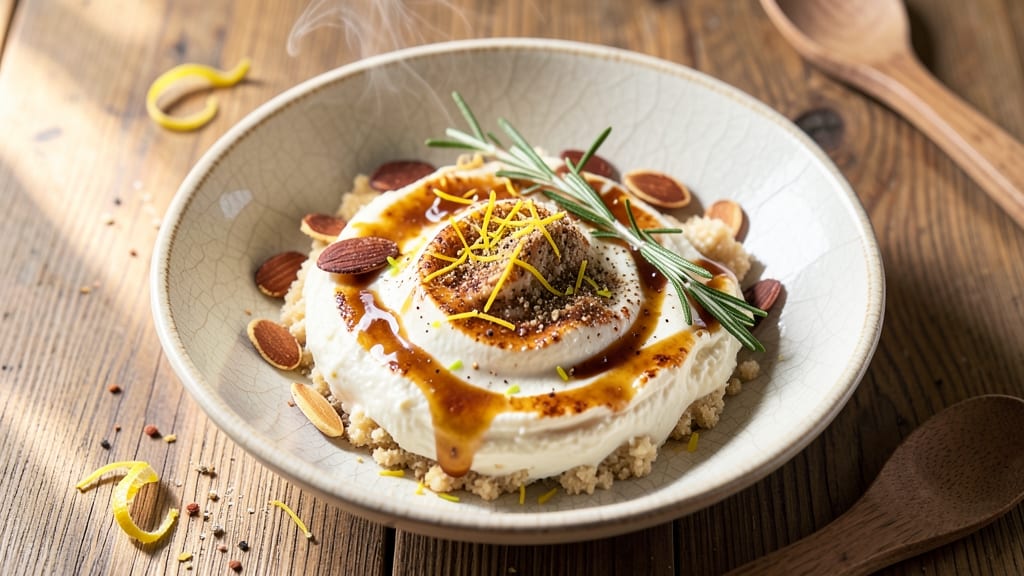
This almond pulp cheese recipe delivers the creamy, nutty richness of traditional cheese without dairy—perfect for vegans or anyone seeking plant-based alternatives. The secret lies in blending almond pulp with nutritional yeast, lemon juice, and a touch of garlic powder for depth.
Unlike cashew-based cheeses, this version uses almond pulp for a lighter texture while maintaining bold flavor.
What sets this recipe apart is its versatility—it works as a spread, sauce, or even a meltable cheese substitute for grilled sandwiches or lasagna. The blend of almond pulp and nutritional yeast creates a tangy, umami-rich base, while lemon juice brightens the flavor.
It’s also easier to digest than many nut-based cheeses, thanks to the almond pulp’s natural properties.
The process is straightforward: blend the ingredients until smooth, then let it set for 30 minutes before using. Store it in an airtight container for up to 5 days in the fridge, or freeze for longer shelf life.
Whether you’re vegan, lactose intolerant, or simply exploring plant-based options, this cheese delivers restaurant-quality results at home.
Use it on toast, blend it into sauces, or layer it in dishes where you’d normally use dairy cheese. The possibilities are endless—let’s make this nutty, creamy cheese your new pantry staple.
Ingredients for almond pulp cheese
Nine ingredients transform simple almond pulp into restaurant-quality vegan cheese.
| Ingredient | Amount | Notes |
|---|---|---|
| Almond Pulp 🌰 | 1 cup | Dried, unsweetened almond pulp |
| Nutritional Yeast 🍞 | ½ cup | Fortified, for cheesy flavor |
| Lemon Juice 🍋 | 2 tbsp | Freshly squeezed for brightness |
| Garlic Powder 🧄 | 1 tsp | For depth of flavor |
| Salt 🧂 | ½ tsp | Diamond Crystal preferred |
| White Miso Paste 🍶 | 1 tbsp | For umami richness |
| Extra-Virgin Olive Oil 🫒 | 2 tbsp | High quality, fruity |
| Water 💧 | ¼ cup | Room temperature |
| Tapioca Starch 🌾 | 1 tbsp | For creaminess and meltability |
| White Vinegar 🍶 | 1 tsp | For tangy balance |
| Black Pepper 🌶️ | ¼ tsp | Freshly ground for warmth |
Almond pulp is the foundation here, and Bob's Red Mill or Anthony's Goods are reliable sources for high-quality dried pulp. Look for unsweetened varieties to avoid any unwanted sugar content. Nutritional yeast is a game-changer for that authentic cheesy flavor—Bragg or Nutritional Yeast Company brands are widely available and consistently high-quality. The white miso adds depth, so Miso Master or Marukome are excellent choices. Fresh lemon juice is non-negotiable for brightness; bottled simply won't cut it. For the olive oil, prioritize extra-virgin with a fruity profile—California Olive Ranch or Colavita are professional favorites.
No nutritional yeast? Dried parsley flakes or a pinch of turmeric can mimic some of that umami, though the flavor will differ. Short on almond pulp? Substitute with soaked cashews at 1:1 ratio, but expect a denser texture. The tapioca starch is crucial for meltability—Bob's Red Mill is widely available and affordable. For a sharper tang, increase the white vinegar to 1.5 teaspoons. The garlic powder can be replaced with fresh minced garlic at half the amount, but the flavor will be more assertive. If you're sensitive to sodium, reduce the Diamond Crystal salt to 0.25 teaspoon.
This cheese sets beautifully after 30 minutes of blending, but for best results, let it rest in the fridge for 1 hour before using. Store in an airtight container with a thin layer of olive oil on top to preserve freshness for up to 5 days. For longer storage, portion into ice cube trays, freeze, then transfer to a freezer bag—this method keeps it fresh for 3 months. The cheese works best at room temperature, so plan ahead if using it straight from the fridge. For a firmer texture, chill for 20 minutes before spreading or melting.
Why You'll Love This Recipe
- No-Stress Spread: I mix this in my food processor while scrolling through emails—no kneading, no waiting, just pulse and pour. The almond pulp handles like a dream, and the nutritional yeast gives it that cheesy depth without the fuss.
- Zesty Umami Magic: That lemon juice cut? Chef’s kiss. It brightens the nutty richness while the garlic powder adds this warm, savory punch—like a hug for your taste buds. Honestly, I’ve used it on toast, pasta, and even straight from the jar.
- Meal Prep MVP: This stuff lasts a week in the fridge, and I’ve thrown it into overnight oats, blended it into sauces, or just snacked straight from the container. It’s my go-to for lazy mornings or last-minute dinner fixes—no waste, all flavor.
- Budget Cheese Hack: I buy almond pulp in bulk, and a little goes a long way. For half the cost of store-bought cheese, I get a versatile, protein-packed spread that keeps me full and happy. (Yes, even on a Tuesday night.)
Step-by-step instructions for almond pulp cheese
Transform simple ingredients into a rich, dairy-free cheese with this precise method.
Soak and Blend the Almond Pulp
Begin by placing the 1 cup almond pulp in a mixing bowl and pouring over the 0.25 cup room-temperature water. Let it soak for 10 minutes—this rehydrates the pulp and creates a smooth base. After soaking, transfer everything to a high-speed blender along with the 2 tbsp lemon juice and 1 tbsp white miso paste.
Blend on high speed for 1-2 minutes until completely smooth. You should end up with a thick, creamy paste that coats the back of a spoon. If it's too thick, add 1-2 tablespoons more water to reach a spreadable consistency. The miso paste adds umami depth while the lemon juice brightens the nutty flavor—don't skip these critical ingredients.
Incorporate Dry Ingredients and Starch
In a separate bowl, whisk together the 0.5 cup nutritional yeast, 1 tsp garlic powder, 0.5 tsp salt, and 0.25 tsp black pepper. The nutritional yeast provides that signature cheesy flavor, while the garlic and pepper add complexity. Gradually sprinkle this dry mixture into the blender with the almond pulp blend, blending on low speed for 30 seconds to combine evenly.
Next, add the 1 tbsp tapioca starch and 1 tsp white vinegar to the blender. The tapioca starch acts as a natural thickener that mimics the meltability of dairy cheese, while the vinegar balances the richness. Pulse the blender briefly to incorporate these ingredients without overworking the mixture. The final blend should be smooth, thick, and ready for the next step.
Cook the Cheese Mixture
Transfer the blended mixture to a small saucepan and place it over medium-low heat. Slowly whisk in the 2 tbsp extra-virgin olive oil while continuing to stir constantly. The olive oil adds richness and helps create a velvety texture. Cook the mixture for 5-7 minutes, stirring frequently, until it thickens noticeably and begins to pull away from the sides of the pan.
You're looking for a consistency similar to soft, spreadable cheese—it should coat the back of a spoon but still be pourable. If it thickens too quickly, add 1-2 tablespoons of water to adjust the texture. The olive oil should be fully incorporated, and the mixture should smell aromatic with notes of nut, umami, and citrus. Remove from heat immediately once it reaches this stage.
Cool and Set the Cheese
Pour the hot cheese mixture into a small heatproof bowl and let it cool to room temperature, stirring occasionally to prevent skin formation. This cooling process allows the flavors to meld and the texture to firm up slightly. Once cooled, transfer the bowl to the refrigerator and chill for at least 2 hours, or until fully set. The cheese should firm up enough to hold its shape when scooped but still remain spreadable.
For best results, use the cheese within 5-7 days when stored in an airtight container in the refrigerator. This almond pulp cheese works beautifully as a spread, melt, or topping—its nutty depth and creamy texture make it a versatile dairy-free alternative that delivers authentic cheesy satisfaction.
Pro Tips For Making Almond Pulp Cheese
- Blend to 100°F: DESCRIPTION: Stop when the mixture hits a warm, dough-like consistency—not when it looks perfect. Almond pulp cheese needs to be thick enough to hold shape but still smooth; over-blending turns it gummy. A food thermometer is your friend here—this is the non-negotiable sweet spot.
- Toast the Nutritional Yeast: DESCRIPTION: Dry-toast the nutritional yeast in a pan for 2-3 minutes before mixing it in. That extra depth of flavor cuts through the raw almond taste—like adding a toasted nut crust to your cheese. Skip this, and it’ll taste like you’re eating a health bar instead of something savory.
- Acidify Gradually: DESCRIPTION: Add lemon juice in two batches—half first, taste, then adjust. Too much upfront makes the cheese sour; too little leaves it flat. You’re aiming for tangy, not puckery. (Yes, even if you’re impatient like me.)
- Salt in Layers: DESCRIPTION: Sprinkle salt halfway through blending, then add the rest at the end. This balances the bitterness of the almond pulp without overpowering the garlic powder. Trust me, your taste buds will notice the difference—it’s subtle but crucial.
Perfect pairings for this almond pulp cheese
Breakfast Spreads
This almond pulp cheese shines on toasted sourdough or rye bread with a drizzle of honey and crushed walnuts. I layer it between avocado slices for a creamy, nutty twist on avocado toast.
For extra protein, add hemp seeds or chia seeds on top. The tangy brightness pairs perfectly with sweet or savory toppings. 🌰
Vegan Grilled Cheese
Use this cheese as a meltable spread for vegan grilled cheese sandwiches. I love pairing it with sourdough bread, marinated artichokes, and sliced tomatoes.
For a crispy texture, use a nonstick skillet with 1 tbsp olive oil per side. The tapioca starch helps it melt beautifully, creating a gooey center. 🥪
Pasta Sauces
Blend this cheese into creamy pasta sauces for a dairy-free alternative. I mix ½ cup of the cheese with ½ cup marinara sauce and a splash of vegetable broth, then toss with fettuccine.
For extra richness, stir in 1 tbsp vegan butter at the end. It works especially well with mushroom or spinach pasta dishes. 🍝
Dips and Spreads
This cheese makes an incredible dip for veggie platters or crackers. I blend it with 1 tbsp tahini and a pinch of smoked paprika for a smoky twist. Serve with carrot sticks, bell pepper strips, and pita chips.
The nutty flavor stands up well to bold ingredients like roasted red peppers or pickled onions. 🥕
Lasagna Layers
Replace ricotta in lasagna by spreading a thin layer of this cheese between no-boil lasagna noodles and marinara sauce. I top it with cashew ricotta and vegan mozzarella shreds for extra melt.
Bake at 375°F for 25-30 minutes until bubbly. The almond pulp adds a subtle sweetness that balances the tomato sauce beautifully. 🍝
Savory Snacks
Use this cheese as a filling for vegan empanadas or stuffed mushrooms. I mix it with sautéed onions and spinach for a hearty bite. For empanadas, brush the dough with olive oil and bake at 375°F for 15-20 minutes until golden.
The cheese holds its shape well when baked, making it perfect for handheld snacks. 🌟
Nutrition facts
Frequently asked questions about almond pulp cheese
Can I substitute almond pulp with whole almonds?
You can, but the texture will differ significantly. Whole almonds need 8+ hours of soaking and blending with extra water to create a smooth consistency. The result will be thicker and less refined than almond pulp cheese, which has a naturally finer texture. For best results, stick with almond pulp for that authentic creamy quality.
How do I make this cheese firmer for slicing?
Add 1 extra tablespoon of tapioca starch to the recipe and chill the cheese for 4+ hours instead of 2. For a firmer texture, you can also mix in 1 teaspoon agar-agar powder (dissolved in 2 tbsp hot water) when blending. This creates a more sliceable cheese similar to feta or goat cheese.
Why does my almond pulp cheese taste bitter?
Bitterness usually comes from over-blending or using old almond pulp. Blend only until smooth (1-2 minutes) and use fresh pulp. To fix existing bitterness, stir in 1 extra tbsp lemon juice or ½ tsp vanilla extract to balance the flavor. Avoid using almond pulp that's been stored longer than 3 months.
Can I melt this cheese for grilled sandwiches?
Yes! The tapioca starch makes it surprisingly meltable. Spread it on bread with vegan butter and grill in a pan with medium heat for 2-3 minutes per side. For extra gooeyness, add 1 tbsp nutritional yeast to the recipe. It won't melt exactly like dairy cheese but creates a delicious, creamy center.
What's the shelf life of this cheese?
Freshly made, it lasts 5-7 days in the fridge when stored in an airtight container with a thin layer of olive oil on top. For longer storage, freeze in 1-tbsp portions for up to 3 months. Thaw overnight in the fridge before using. The texture may change slightly after freezing but the flavor remains excellent.