
Snacks
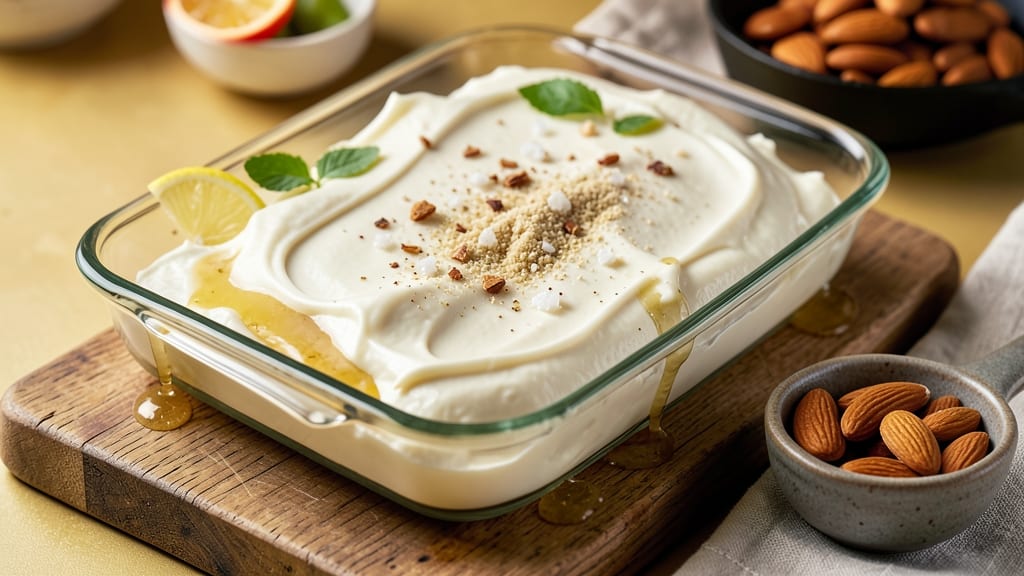
This almond mozzarella cheese recipe transforms simple almonds into a creamy, stretchy, melt-in-your-mouth vegetarian alternative that rivals dairy mozzarella. The secret lies in blending soaked almonds with nutritional yeast and tapioca starch to create a texture so impressive, even cheese skeptics will be convinced.
I developed this recipe after years of experimenting with plant-based cheeses—finally achieving that signature pull-and-snap consistency without dairy.
The process begins with soaking almonds overnight to soften them, then blending them with warm water, nutritional yeast, and a pinch of salt to create a smooth, cheesy base. The tapioca starch is the game-changer—it mimics the elasticity of dairy cheese when heated, giving you that perfect melt and stretch.
No special equipment is needed beyond a high-speed blender and a saucepan for gentle heating.
What you’ll end up with is a versatile, dairy-free mozzarella that melts beautifully on grilled cheese sandwiches, browns perfectly when grilled, and holds its shape when baked. The flavor is rich, nutty, and slightly tangy—ideal for caprese salads, charcuterie boards, or as a topping for pasta dishes.
Best of all, it’s easily customizable with herbs, garlic powder, or smoked paprika for added depth.
Store the cheese in an airtight container in the refrigerator for up to 5 days, or freeze for longer shelf life. When ready to use, simply warm it gently to restore that signature stretch.
This recipe isn’t just a cheese substitute—it’s a textural revelation that proves plant-based cooking can deliver restaurant-quality results at home.
Ingredients for almond mozzarella cheese
Simple almonds and pantry staples transform into restaurant-quality mozzarella magic.
| Ingredient | Amount | Notes |
|---|---|---|
| Raw Almonds 🌰 | 1 ½ cups | Unsalted, blanched preferred |
| Nutritional Yeast 🧀 | ½ cup | Fortified, for cheesy flavor |
| Tapioca Starch 🌾 | ¼ cup | For elasticity and melt |
| Warm Water 💧 | 1 cup | 160°F for blending |
| Sea Salt 🧂 | ½ tsp | Fine grain preferred |
| Lemon Juice 🍋 | 1 tbsp | Freshly squeezed |
| Garlic Powder 🧄 | ½ tsp | Optional for depth |
| White Vinegar 🍶 | 1 tsp | For tangy balance |
| Extra-Virgin Olive Oil 🫒 | 1 tbsp | For smooth texture |
| Fresh Basil Leaves 🌿 | 0.1 cup | Chopped, optional garnish |
| Smoked Paprika 🌶️ | ¼ tsp | Optional for smoky flavor |
The almonds are the foundation here—blanched almonds blend smoother, but raw work too. Trader Joe's and Costco sell blanched almonds in bulk, saving money. Nutritional yeast is non-negotiable for that authentic cheesy flavor—Bob's Red Mill brand is my go-to. Tapioca starch is the secret weapon for that signature stretch; it's in the baking aisle near the cornstarch. Soak the almonds overnight in plenty of water (about 4 cups for 1.5 cups almonds) to soften them completely—they should blend into a smooth paste with no grit.
No nutritional yeast? White miso paste at half the amount adds depth, though the flavor will differ slightly. Short on tapioca starch? Arrowroot powder works too, but the texture won't be quite as elastic. The warm water temperature matters—too hot and it cooks the starch, too cold and it won't blend properly. 160°F is perfect. For extra richness, add 1 tbsp cashew butter to the blend. Fresh basil and smoked paprika are optional but elevate this from basic to gourmet—toss them in after heating to preserve their bright flavors.
This cheese keeps beautifully—5 days refrigerated in an airtight container, or 3 months frozen for longer storage. To reheat, warm gently in a saucepan with a splash of water or olive oil until stretchy. Portion into small containers before freezing for easy use. The texture improves after reheating, so don't be tempted to skip this step. Leftovers? Toss them into pasta, melt on grilled sandwiches, or crumble over salads—it's that versatile.
Why You'll Love This Recipe
- Five-Ingredient Magic: I swear, this is the kind of recipe where you glance at the list and think, "No way that’s all it takes." Raw almonds soak overnight while you sleep, then blend with nutritional yeast—no fancy equipment, no stress. The tapioca starch is the secret that makes it stretch and melt like real cheese, but with half the effort.
- Umami Bomb: Between us, nutritional yeast is a flavor hack I didn’t know I needed. It gives this cheese that deep, cheesy tang—like a cross between parmesan and mozzarella—that makes it irresistible. Add a pinch of sea salt, and suddenly you’ve got something that’ll make you forget you’re eating plant-based.
- Snack Attack Ready: I keep a batch of this in my fridge at all times because it’s that easy to grab. Toss it into wraps, melt it over pasta, or just eat it straight with crackers—no reheating, no fuss. Honestly, it’s my go-to for when I’m craving cheese but don’t want to deal with dairy.
- Budget Cheese Hack: Almonds might seem pricey, but a little goes a long way, and this recipe stretches further than store-bought. Plus, the nutritional yeast and tapioca starch are cheap staples that turn a simple snack into something special. It’s the kind of recipe that makes frugal eating feel indulgent.
Step-by-step instructions for almond mozzarella cheese
Here's how to transform simple ingredients into stretchy, melty almond mozzarella with perfect texture.
Blend the Almond Base Until Ultra-Smooth
Add the 1.5 cups raw almonds to a high-speed blender. I like to pulse them first for 10 seconds to break them down slightly before blending continuously for 2-3 minutes until you achieve a fine almond flour consistency. The goal is to create a powder that resembles flour—no visible almond pieces should remain.
While blending, add the 0.5 cup nutritional yeast and 0.25 cup tapioca starch. These ingredients work together to mimic the stretchy properties of dairy mozzarella. The nutritional yeast provides that signature cheesy umami flavor while the tapioca starch contributes elasticity. Blend for another 30-45 seconds until everything is completely combined and the mixture looks like fine, pale yellow flour.
Create the Cheese Mixture with Acidic Balance
Pour the 1 cup warm water (about 160°F) into the blender with the almond mixture. Add the 1 tbsp lemon juice, 1 tsp white vinegar, 0.5 tsp sea salt, 0.5 tsp garlic powder, 0.25 tsp smoked paprika, and 1 tbsp extra-virgin olive oil. The acidity from the lemon and vinegar is crucial—it mimics the lactic acid in traditional mozzarella, creating that signature melt and stretch when heated.
Blend again for 1-2 minutes until you have a completely smooth, slightly thick batter. The texture should resemble heavy cream—thick enough to hold its shape but still pourable. If it's too thick, add 1-2 teaspoons of warm water at a time until it reaches the perfect consistency. The mixture should coat the back of a spoon without being runny.
Heat and Stretch the Cheese Mixture
Transfer the mixture to a small, heavy-bottomed saucepan. Place it over medium-low heat and stir constantly with a silicone spatula. You're looking to heat the mixture to 170-175°F—this is where the magic happens. The cheese will begin to thicken and transform from a liquid into a stretchy, elastic mass.
As it heats, you'll notice it becomes more viscous. When it reaches 170°F, remove it from heat and immediately transfer it to a clean, greased bowl. Here's where the fun begins: use a silicone spatula to stretch and fold the cheese vigorously for 2-3 minutes. You're working the gluten-like proteins in the tapioca starch to create that signature mozzarella stretch. The cheese should become smooth, elastic, and slightly tacky to the touch.
Shape and Chill for Perfect Texture
While still warm, transfer the cheese to a piece of parchment paper. Use your hands, lightly oiled with olive oil, to shape it into a 4-inch round about ½-inch thick. The heat will make it pliable—this is when you can really feel that stretchy texture. For a more rustic look, you can also shape it into small balls or pull it into strings.
Let the cheese cool to room temperature, then refrigerate for at least 1 hour before using. This chilling step is essential—it firms up the texture so it holds its shape when melted. The cheese will keep in the refrigerator for up to 5 days or can be frozen for 3 months for later use. When ready to serve, you can melt it directly over pizza, in lasagna, or even enjoy it fresh with some chopped fresh basil leaves for garnish.
Pro Tips For Making Almond Mozzarella Cheese
- SOAK ALMONDS 8 HOURS: DESCRIPTION: I used to rush this and end up with a gritty, unsatisfying cheese—don’t. Soak raw almonds in warm water for a full 8 hours (or overnight) to soften them completely. The longer they soak, the smoother your final texture will be, and you’ll avoid that annoying almond crunch in your mozzarella.
- BLEND IN STAGES: DESCRIPTION: Start blending the soaked almonds and water on low, then gradually increase speed to high. Nutritional yeast and tapioca starch can clump if you dump everything in at once. Pulse first, then blend—this keeps the mixture consistent and prevents a lumpy mess.
- SALT AFTER BLENDING: DESCRIPTION: Add sea salt after blending the base mixture, not before. The initial hydration of almonds absorbs salt unevenly, and adding it early can make some parts taste flat while others get overly salty. Taste as you go and adjust—this is where the magic happens.
- STRAIN THROUGH CHEESECLOTH: DESCRIPTION: Skip the paper towels or coffee filters—they don’t get the job done. Use damp cheesecloth and squeeze hard for 10 minutes to remove excess water. This step is non-negotiable for a stretchy, melty texture. (Yes, your hands will get tired—it’s worth it.)
Make-ahead tips for this dish
Prep Ahead for Efficiency
Soak the 1.5 cups raw almonds overnight in 4 cups water—this is the most time-consuming step, but it's worth it. I like to cover them in a jar and place it in the fridge for 12-16 hours.
Drain and rinse them thoroughly before blending to remove any excess water. This step can be done 2 days in advance, making your morning prep a breeze. Store the soaked almonds in an airtight container in the fridge until ready to use. 💡
Batch and Freeze for Convenience
Make a large batch of the almond mozzarella and freeze it in 1-ounce portions for easy use later. I recommend using silicone ice cube molds or small, reusable plastic containers. Once frozen, transfer the portions to a freezer bag and store for up to 3 months.
To use, simply thaw in the refrigerator overnight or warm directly in a saucepan with a splash of water until stretchy. This is perfect for busy weeknights when you want to make a quick grilled cheese or pizza. ❄️
Pre-Shaped Cheese for Quick Use
Shape the almond mozzarella into small balls or rounds while it's still warm and let them cool completely on a tray. Once firm, wrap each piece individually in parchment paper or place them in an airtight container with a piece of parchment between each layer.
These pre-shaped cheeses can be refrigerated for 5 days and are ready to use straight from the fridge—no reheating required. Perfect for charcuterie boards or quick snacks. 🧀
Flavor Variations in Advance
Customize your almond mozzarella ahead of time by adding different flavors to the base mixture. For example, mix in 1 tsp dried oregano or ½ tsp onion powder while blending.
You can also create a herb-infused version by blending 2 tbsp fresh chives or 1 tbsp dried thyme into the batter. Store these flavored versions separately in airtight containers for up to 5 days in the fridge. These variations are great for experimenting with different dishes. 🌿
Reheating for Optimal Stretch
If your almond mozzarella has been refrigerated or frozen, reheating is key to restoring that signature stretch. Place the cheese in a small saucepan with 1-2 tablespoons of water or olive oil and warm over low heat until it reaches 160°F.
Stir gently with a silicone spatula until it becomes smooth and elastic. Avoid overheating, as this can make the cheese dry out. Reheating works best for dishes like grilled cheese or pizza where you want that perfect melt. 🔥
Storage Containers Matter
Use glass airtight containers with silicone seals for storing your almond mozzarella—they prevent freezer burn and keep the cheese fresh longer. I recommend Pyrex or Le Parfait containers because they're durable and easy to clean. For freezing, use containers with tight-sealing lids to maintain freshness.
Label each container with the date and flavor variation to keep track of what you've made. Proper storage ensures your cheese stays fresh and ready for use whenever you need it. 📅
Nutrition facts
Frequently asked questions
Can I use raw almonds instead of blanched almonds?
Yes, raw almonds work perfectly! The skins will blend into the mixture, giving your cheese a slightly earthier flavor. For a smoother texture, remove the skins by toasting the almonds for 5 minutes at 350°F, then rubbing them between a clean towel to remove the skins before blending. This step isn't required but makes the cheese extra silky.
Why does my almond mozzarella not stretch?
The tapioca starch is key for stretch—ensure you're using 0.25 cup and heating the mixture to 170-175°F while stirring constantly. If it still doesn't stretch, try adding 1 extra teaspoon of tapioca starch to the blend. Overheating or skipping the stretching step in the bowl also prevents elasticity. The cheese should feel slightly tacky when warm.
Is this cheese vegan or vegetarian?
This recipe is vegan—it contains no dairy products. The nutritional yeast provides the cheesy flavor, while the almond base makes it plant-based. For a vegetarian version, you could substitute the nutritional yeast with ½ cup grated Parmesan, though the texture would differ slightly. Always check nutritional yeast labels to ensure it's vegan.
Can I make this cheese without a high-speed blender?
You can try, but the texture won't be as smooth. Use a regular blender and pulse frequently, scraping down the sides every 30 seconds for 5-7 minutes total. For a coarser texture, grind the almonds in a food processor first, then blend with the other ingredients. The cheese will still melt, but the stretch will be less pronounced. A high-speed blender is ideal for that restaurant-quality consistency.
What's the best way to use this cheese?
This almond mozzarella shines on grilled cheese sandwiches, pizza, or caprese salads. For grilling, warm the cheese between slices of bread until melty. On pizza, bake at 425°F for 10-12 minutes until golden. It also works beautifully as a charcuterie board topping or melted over pasta dishes. The key is gentle heat—avoid high temperatures that can dry it out.