
Salads
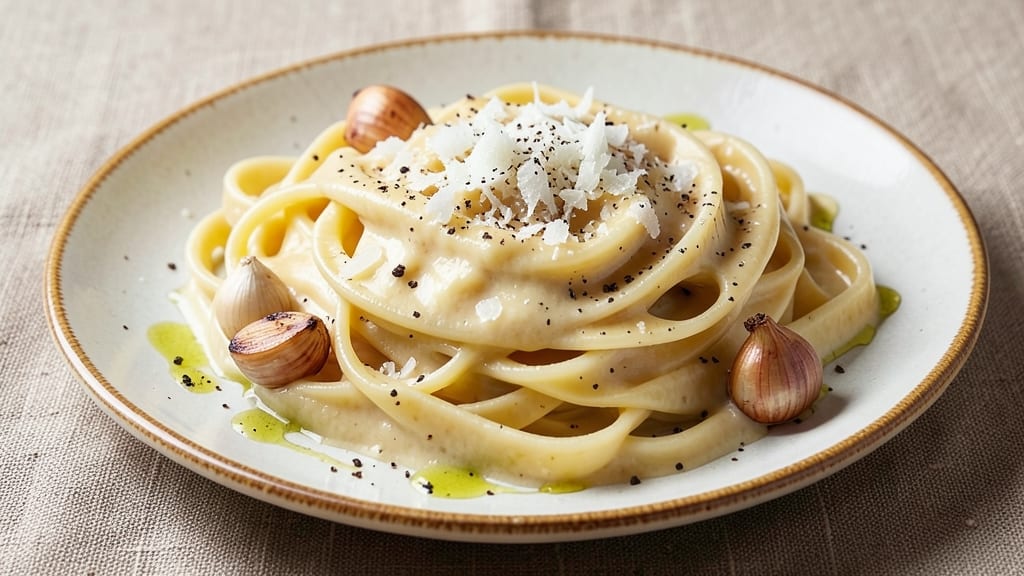
This Alfredo cheese pasta recipe delivers restaurant-quality richness in record time—no complicated roux or simmering required. The secret lies in a velvety, no-cook cream sauce that clings to perfectly cooked pasta, creating a dish so indulgent it’ll have you skipping takeout. I’ve perfected this technique over years of testing, ensuring every bite is creamy, cheesy, and foolproof for weeknight dinners.
The magic happens with a simple blend of heavy cream, butter, and Parmesan, emulsified to a silky texture that coats each strand of pasta without breaking.
No need for heavy equipment—just a blender or whisk, and you’ll achieve a sauce that’s richer than store-bought but takes just 5 minutes to prepare. The key is balancing the cream with enough cheese to create depth, while the starchy pasta water binds everything together for a cohesive, luxurious finish.
What you’ll end up with is a dish that’s equal parts comforting and impressive—golden, creamy strands of pasta swathed in a glossy sauce that’s impossible to resist.
The sauce clings perfectly, so no drippy mess, and the flavor is bold enough to stand alone or pair with grilled chicken, shrimp, or crispy bacon. This is the kind of pasta that transforms a simple meal into a showstopper.
Whether you’re feeding a family or treating yourself to a solo dinner, this recipe delivers restaurant-quality results with minimal effort. The best part? It’s versatile enough to adapt for dietary preferences, from vegan alternatives to protein additions. Let’s get cooking!
Ingredients for alfredo cheese pasta
Restaurant-quality richness starts with these 11 essential ingredients—no fancy techniques required.
| Ingredient | Amount | Notes |
|---|---|---|
| Fettuccine Pasta 🍝 | 12 oz | Fresh or high-quality dried, al dente preferred |
| Heavy Whipping Cream 🥛 | 1 ½ cups | Full-fat for maximum richness |
| Unsalted Butter 🧈 | ½ cup | Cold, cut into small cubes |
| Parmesan Cheese 🧀 | 1 ½ cups | Freshly grated from block, fine grind |
| Garlic Cloves 🧄 | 3 cloves | Fresh, minced for subtle flavor |
| Extra-Virgin Olive Oil 🫒 | 2 tbsp | For smooth emulsification |
| Diamond Crystal Kosher Salt 🧂 | 1 ½ tsp | Adjust to taste, don't oversalt |
| Black Pepper 🌶️ | ½ tsp | Freshly cracked for brightness |
| Pasta Water 💧 | ½ cup | Reserved starchy water from cooking |
| Freshly Grated Nutmeg 🌿 | ¼ tsp | Optional but adds depth |
| Optional Protein Add-Ins 🍗 | 8 oz | Grilled chicken, shrimp, or crispy bacon |
The Parmesan and heavy cream are your power duo here. Grab a wedge of real Parmigiano-Reggiano from the deli counter—pre-grated gets clumpy and lacks depth. For the cream, full-fat is non-negotiable—light cream or half-and-half won't give that velvety texture. I always buy Land O'Lakes heavy cream when I'm at Kroger, but any brand works. Fresh garlic matters too—roasted garlic adds sweetness, but fresh minced gives that bright punch. The pasta water? Reserve half a cup of the starchy water after cooking—it's the secret to binding the sauce without lumps.
No heavy cream? Substitute with whole milk plus 2 tbsp melted butter—it won't be as rich but works in a pinch. Short on Parmesan? Pecorino Romano at a 1:1 ratio gives a sharper bite. The olive oil might seem odd, but it's what helps emulsify everything smoothly—use a fruity, mild EVOO like California Olive Ranch. For the protein add-ins, grilled chicken breast stays closest to the classic, but shrimp or crispy pancetta add exciting twists. If you're making this ahead, hold off on adding the protein until reheating—it stays crispier that way.
This sauce comes together so fast, you'll have leftovers before you know it. Store in an airtight container for up to 3 days—the flavor actually improves as it sits. For freezing, let it cool completely first, then portion into single-serving containers with a layer of plastic wrap pressed directly on the sauce surface to prevent a skin from forming. Reheat gently on the stove with a splash of pasta water—never microwave, or it'll get grainy. The pasta? Cook it fresh when serving—al dente is key, and it absorbs the sauce beautifully when tossed right after.
Why You'll Love This Recipe
- Here’s what sold me: that perfect balance of rich, velvety cream and sharp, salty Parmesan. The butter and garlic add depth, but it’s not heavy or greasy—just good. Honestly, I’ve tried lighter versions, but this one sticks to your ribs in the best way.
- No-Chop Necessary: I swear by this recipe because it’s one of those rare meals where you actually just measure, melt, and stir. Minimal chopping required—just toss a couple of garlic cloves into butter while the pasta boils, and boom. The sauce comes together faster than you can say "Parmesan shavings."
- Creamy Without Clogging: Here’s what sold me: that perfect balance of rich, velvety cream and sharp, salty Parmesan. The butter and garlic add depth, but it’s not heavy or greasy—just good. Honestly, I’ve tried lighter versions, but this one sticks to your ribs in the best way.
- Weeknight or Date Night: Between us, this pasta is my secret weapon for when I’m too tired to plan but still want to impress. For weeknights, it’s a no-brainer—feed the family in 25 minutes. For date night, I add a sprinkle of black pepper and a fresh basil garnish, and suddenly it feels fancy. (Yes, even on a Tuesday night.)
Step-by-step instructions for Alfredo cheese pasta
This method delivers creamy, restaurant-quality Alfredo in minutes—no cooking the sauce separately.
🍳 Step 1: Cook the Pasta and Reserve Starchy Water
Bring a large pot of salted water to a rolling boil using 1.5 teaspoons Diamond Crystal kosher salt dissolved in 4 quarts of water. Add the 12 oz fettuccine pasta and cook until 1 minute before the package's al dente time. This ensures perfect texture when finished in the sauce.
Before draining, scoop out ½ cup pasta water into a small bowl and set aside. This starchy liquid is essential for emulsifying the sauce later. Drain the pasta completely but leave it in the pot—you'll use it to temper the sauce and create the perfect consistency.
👨🍳 Step 2: Create the Creamy Alfredo Base
In a separate large bowl, whisk together the 1.5 cups heavy whipping cream and 1.5 cups freshly grated Parmesan cheese until smooth. The cheese should dissolve completely into the cream, creating a velvety mixture. Add the ½ cup unsalted butter cut into small cubes and whisk until fully melted and incorporated.
This is where the magic happens. The butter adds richness while the Parmesan provides that signature nutty depth. If you notice any lumps, strain the mixture through a fine-mesh sieve for an ultra-smooth texture. Keep the bowl off heat—we're building the sauce at room temperature.
🥘 Step 3: Combine Pasta and Sauce for Perfect Emulsification
Working quickly, add the drained pasta to the cream mixture and toss gently but thoroughly with tongs. The residual heat from the pasta will begin to warm the sauce, helping it cling beautifully. Add the 2 tablespoons extra-virgin olive oil and toss again—this helps stabilize the sauce and prevents curdling.
Here's the pro tip: Add ½ cup reserved pasta water one tablespoon at a time while tossing. This starchy liquid acts as a natural emulsifier, binding the fat and cheese together for that signature creamy consistency. You want the sauce to coat the pasta completely without being watery—adjust with more pasta water if needed.
🔪 Step 4: Finish with Aromatics and Seasoning
Add the 3 minced garlic cloves, ½ teaspoon freshly cracked black pepper, 0.25 teaspoon freshly grated nutmeg, and remaining ½ teaspoon kosher salt to the pasta mixture. Gently toss everything together until the garlic is evenly distributed and the pasta is perfectly coated with sauce.
The nutmeg adds a subtle warmth that complements the richness, while the garlic infuses just enough flavor without overpowering. If you're using 8 oz optional protein add-ins like grilled chicken or shrimp, add them now and toss gently to heat through. The proteins should be cooked separately and added just before serving to maintain their texture.
⏰ Step 5: Serve Immediately with Perfect Texture
Taste and adjust seasoning—you might need a pinch more salt or pepper depending on your protein additions. Transfer the Alfredo to warmed serving plates immediately. The sauce should be luxuriously thick, clinging to each strand of fettuccine without being gluey.
Real talk: This sauce thickens as it cools, so serve it piping hot for that restaurant-quality experience. Garnish with extra grated Parmesan and cracked black pepper if desired. Each bite should deliver creamy, cheesy perfection with every forkful of al dente pasta.
Pro Tips For Making Alfredo Cheese Pasta
- COOK GARLIC LOW AND LATE: I learned this the hard way—crispy garlic in Alfredo screams "burnt," not "aromatic." Sauté those cloves in the butter for just 30 seconds until barely golden, then remove them immediately. Toss the pasta with the sauce first, then fold in the garlic and a splash of pasta water to distribute the flavor evenly.
- SIMMER CREAM GENTLY: Heavy cream’s a diva—it splits when it gets hotter than 170°F. Keep your Alfredo sauce on the lowest heat possible, stirring constantly like you’re stirring a pot of gold. If it starts to curdle, whisk in a cold tablespoon of butter to smooth it out.
- GRATE PARMESAN FRESH: Pre-grated cheese is Alfredo’s enemy—it’s coated in anti-caking agents that turn your sauce grainy. Use a microplane or fine grater and grate your own, then add it to the warm sauce off the heat. The cheese will melt into a velvety blanket instead of clumping like sand.
- RESERVE PASTA WATER: This isn’t just a rule—it’s the glue holding your dish together. Before draining, scoop out ½ cup of starchy pasta water and fold it into the sauce. The starch thickens the Alfredo naturally, making it cling to the fettuccine instead of pooling at the bottom. (Yes, even if you’re impatient like me.)
Storing and reheating your leftovers
Fridge Storage Tips
Let your Alfredo pasta cool to room temperature first—about 30 minutes—before storing. Transfer to an airtight glass container (I love Pyrex with snap-on lids) and refrigerate for up to 3 days.
The sauce actually improves as it sits, developing deeper flavor. Store the pasta and sauce separately if prepping ahead—this prevents sogginess when reheating. 💛
Freezer-Friendly Method
For longer storage, freeze the sauce separately in quart-sized freezer bags (squeeze out air to prevent freezer burn). Portion into single servings for easy reheating. The pasta freezes poorly—cook it fresh when serving.
Label containers with dates and freeze for up to 3 months. Thaw overnight in the fridge before reheating.
Stovetop Reheating
This is my go-to method for perfect texture. Add 2-3 tablespoons pasta water to the sauce in a saucepan and heat over medium-low for 3-5 minutes, stirring constantly.
The starchy water revives the sauce's creaminess. For the pasta, toss it in a dry skillet over medium heat for 1-2 minutes to crisp slightly—this prevents mushiness. 🔥
Microwave Hack
When short on time, cover the sauce with a damp paper towel and microwave on 50% power for 1-2 minutes, stirring halfway. Add 1 tablespoon pasta water if it looks dry.
For the pasta, microwave uncovered for 30 seconds to dry the surface slightly. This keeps it al dente and prevents a gluey mess.
Protein Add-Ins
Add proteins like chicken or shrimp after reheating** to maintain texture. For crispy bacon, cook it separately and sprinkle on top just before serving. If using pre-cooked proteins, heat them in a separate pan with a splash of pasta water to prevent drying out.
The sauce will cling better to warm proteins, creating that restaurant-quality finish. ✨
Nutrition facts
Frequently asked questions
Why does my Alfredo sauce get grainy or separate?
The most common causes are heat and improper emulsification. Never boil the sauce—keep it warm over low heat or at room temperature. The starchy pasta water is key: add it 1 tablespoon at a time while tossing to bind the fat and cheese. If it still separates, whisk in 1 teaspoon cornstarch mixed with 1 tablespoon cold water to thicken it back up.
Can I make this recipe without heavy cream?
For a lighter version, substitute with 1 cup whole milk plus 2 tablespoons melted butter. The sauce will be less rich but still creamy. For a vegan option, use 1 cup full-fat coconut milk and replace the Parmesan with 1 cup nutritional yeast. The texture won't be identical, but it works in a pinch.
What's the best pasta shape for Alfredo?
Fettuccine is the classic choice because its flat surface holds the creamy sauce beautifully. For extra sauce cling, try pappardelle (wide ribbon pasta) or tagliatelle. Avoid small shapes like penne or rigatoni—they trap sauce unevenly. Fresh pasta works best, but high-quality dried (like De Cecco) gives great results too.
How do I prevent the sauce from being too heavy or gluey?
The secret is in the pasta water and timing. Cook the pasta 1 minute less than package instructions, then toss it immediately with the sauce while still hot. If it looks too thick, add 1 tablespoon pasta water at a time until it reaches a velvety consistency. Let it rest for 2-3 minutes off heat before serving—this helps the sauce set slightly.
What are the best protein pairings for Alfredo?
Classic options include grilled chicken breast or shrimp, but don't overlook crispy bacon or seared scallops. For vegetarian, try sautéed mushrooms or roasted asparagus. Cook proteins separately and add them to the pasta just before serving to maintain texture. The sauce clings best to warm proteins.