
Appetizers
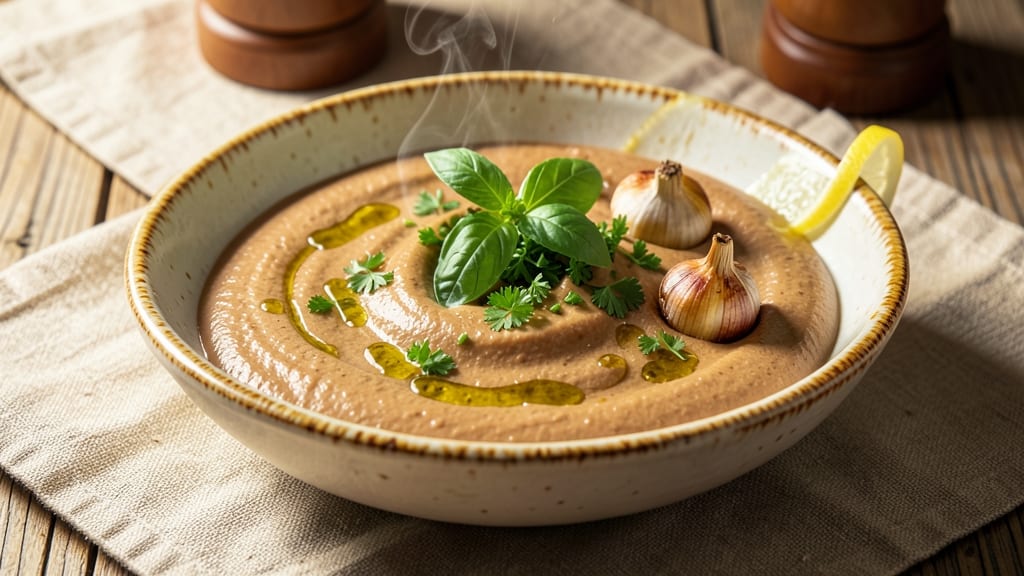
This Abbruzze cheese spread recipe transforms bold Italian flavors into a velvety, herb-infused condiment perfect for elevating charcuterie boards. The secret lies in blending aged Abbruzze cheese with fresh herbs, garlic, and high-quality olive oil until silky smooth.
What starts as a simple combination becomes a restaurant-worthy spread that pairs beautifully with cured meats, crusty bread, and fresh vegetables.
The process is straightforward yet rewarding: begin with room-temperature cheese to ensure a perfectly smooth texture, then blend in aromatic herbs and a touch of garlic for depth. A splash of olive oil not only binds the mixture but also adds a fruity brightness that balances the cheese's richness.
The result is a spread that's spreadable, flavorful, and versatile enough to use as a dip, sandwich spread, or charcuterie centerpiece.
What makes this recipe stand out is its ability to transform ordinary appetizers into extraordinary ones. The spread's creamy yet slightly tangy profile comes from the aged Abbruzze cheese, while the fresh herbs add a vibrant, aromatic touch.
It's the kind of condiment that turns a simple gathering into a memorable experience, all while requiring minimal effort to prepare.
Store it in an airtight container in the refrigerator for up to a week, allowing the flavors to meld and deepen over time. Whether you're hosting a dinner party or simply craving a gourmet snack, this spread delivers restaurant-quality results with just a few simple ingredients and techniques.
Ingredients for abbruzze cheese spread
Nine ingredients blend into a velvety spread that elevates charcuterie from ordinary to extraordinary.
| Ingredient | Amount | Notes |
|---|---|---|
| Aged Abbruzze Cheese 🧀 | 16 oz | Room temperature for blending |
| Extra-Virgin Olive Oil 🫒 | ½ cup | High-quality, fruity variety |
| Fresh Basil Leaves 🌿 | ½ cup | Packed, stems removed |
| Fresh Parsley Leaves 🌿 | ¼ cup | Finely chopped, stems removed |
| Garlic Cloves 🧄 | 3 cloves | Peeled, minced finely |
| Lemon Juice 🍋 | 1 tbsp | Freshly squeezed |
| Diamond Crystal Kosher Salt 🧂 | ½ tsp | For seasoning |
| Black Peppercorns 🌶️ | ¼ tsp | Freshly cracked |
| Balsamic Vinegar 🍷 | 1 tsp | Aged variety for depth |
| Toasted Pine Nuts 🥜 | 2 tbsp | Optional for texture |
The aged Abbruzze cheese is the foundation—look for block cheese at specialty Italian markets or well-stocked grocery stores like Whole Foods or Eataly. Room temperature is critical; take it out of the fridge 2 hours before blending for optimal texture. If you can't find Abbruzze, Pecorino Romano works as a substitute, though it lacks the same creamy richness. For the olive oil, Californian or Tuscan varieties from Trader Joe's or Olive & Gourmet bring the best fruity brightness. Fresh herbs should be bright green and fragrant—avoid wilted stems, which indicate age.
No fresh basil? Dried basil at one-third the amount works, though texture suffers. Substitute cilantro or mint for parsley if needed, but adjust quantities to maintain balance. Short on garlic? Garlic powder at half the amount is acceptable, but fresh is ideal for that aromatic depth. The lemon juice can be swapped for white wine vinegar, though it alters the flavor profile slightly. For those avoiding nuts, omit the pine nuts—the spread remains delicious without them. Always measure the salt first before tasting, as cheese varies in saltiness.
Store the spread in an airtight glass container in the refrigerator for up to 7 days, though flavor deepens after 24 hours. For longer storage, portion into small jars and freeze for up to 3 months. To serve, bring to room temperature for 15 minutes before spreading—this enhances the creaminess. The spread thickens when chilled, so add a splash of olive oil if needed to restore smoothness. Leftovers make excellent gifts—just transfer to a decorative jar for presentation.
Why You'll Love This Recipe
- No-Knife Night: I swear by this when I’m too tired to chop—just crumble the Abbruzze, pulse the herbs in a food processor for 10 seconds, and mix. The cheese does all the work.
- Umami Bomb: That aged Abbruzze? It’s like a salty, nutty hug in your mouth, especially when you toast the garlic in the olive oil first. The basil and parsley just lift it to ridiculously good.
- Party in a Jar: Between us, this spread is my go-to for game day, book club, or just because. Slather it on crackers, drizzle it over grilled veggies, or toss it with pasta—it’s the kind of thing that disappears fast.
- Make-Ahead Magic: Honestly, I double the batch every time. It keeps for a week in the fridge, and the flavor actually deepens as it sits. Plus, the olive oil gets cheaper the longer you stretch it out. Win-win.
Step-by-step instructions for herb-infused Abbruzze cheese spread
Transform rich Abbruzze cheese into velvety, herb-infused spread with this precise method.
Prepare the Cheese Base
Remove the 16 oz Aged Abbruzze Cheese from the refrigerator and let it sit at room temperature for 30 minutes to soften slightly. This makes blending easier and ensures a smoother final texture. Cut the cheese into ½-inch cubes—this increases surface area for faster melting and blending.
Place the cheese cubes in a food processor fitted with the metal blade attachment. Pulse briefly to break down the cheese into smaller pieces, but don't over-process yet. You want to maintain some texture for the spread's body. The cheese should resemble coarse crumbles at this stage.
Blend with Herbs and Aromatics
Add the 0.5 cup Fresh Basil Leaves and 0.25 cup Fresh Parsley Leaves to the food processor. These herbs will infuse the spread with bright, Mediterranean flavor. Pulse the mixture for 10-15 seconds to chop the herbs finely but not into a paste—you want visible herb flecks for texture and visual appeal.
Next, add the 3 cloves Garlic Cloves (minced), 1 tbsp Lemon Juice, and 0.5 tsp Diamond Crystal Kosher Salt. Pulse again for 10 seconds to combine. The lemon juice adds brightness that cuts through the richness of the cheese, while the garlic deepens the savory profile. Don't worry if the mixture looks uneven at this stage—it will come together.
Incorporate Oil and Vinegar
With the food processor running, slowly drizzle in the 0.5 cup Extra-Virgin Olive Oil through the feed tube. This gradual addition prevents the oil from splattering and allows it to emulsify smoothly with the cheese. Process for 30-45 seconds until the mixture becomes creamy and homogeneous.
Add the 1 tsp Balsamic Vinegar and 0.25 tsp Black Peppercorns (freshly cracked). Pulse again for 20 seconds to distribute these final ingredients evenly. The balsamic vinegar adds a subtle tang that balances the richness, while the peppercorns provide a subtle heat. Taste the mixture and adjust seasoning if needed—you may want to add a pinch more salt or a splash of lemon juice for brightness.
Finish and Fold in Pine Nuts
Transfer the cheese spread to a mixing bowl. Using a silicone spatula, gently fold in the 2 tbsp Toasted Pine Nuts. These nuts add a delightful crunch that contrasts beautifully with the creamy texture. Be careful not to overmix—just distribute them evenly throughout the spread.
For optimal flavor, let the spread rest at room temperature for 15-20 minutes before serving. This allows the flavors to meld together and the texture to set slightly. The spread will thicken as it cools, so if you prefer a softer consistency, you can gently reheat it in a warm water bath for 1-2 minutes before serving. Store any leftovers in an airtight container in the refrigerator for up to 5 days.
Pro Tips For Making Abbruzze Cheese Spread
- Grate the Cheese Coarse: Abbruzze cheese is crumbly, not smooth—don’t pulverize it into dust. Use a box grater with medium holes or pulse in a food processor in short bursts. You want texture, not glue.
- Toast the Garlic Low: I learned this the hard way—blasting garlic in olive oil turns it bitter. Sauté minced cloves over the lowest heat possible until just golden, about 5 minutes. Patience keeps the flavor sweet and nutty.
- Chill Before Mixing: Cold cheese spreads better. Let the grated Abbruzze sit in the fridge for 15 minutes before blending with oil and herbs. This cuts clumping and makes the final spread silky, not greasy.
- Blend Herbs Last: Add basil and parsley after the cheese and oil mix, then pulse lightly. Whole leaves keep the spread vibrant and prevent a muddy, overworked texture—no one wants a green paste.
Regional styles of this recipe
Italian Tradition
This spread draws inspiration from Abbruzzo, Italy's mountainous region known for its bold, aged cheeses like Abbruzze Pecorino. Traditional Italian cheese spreads often feature Pecorino Romano or Ricotta, but Abbruzze's unique nutty depth makes it exceptional.
In Abruzzo, locals blend cheese with rosemary and chili for rustic spreads, but my version keeps the herbs bright with basil and parsley. 🌿
The region's shepherding culture influences these spreads—cheese was preserved through aging, then transformed into versatile condiments. I've adapted this by using aged Abbruzze cheese (at least 6 months aged) for maximum flavor complexity. For authenticity, source cheese from Italian specialty stores like Eataly or Whole Foods Market.
Roman Influence
Rome's culinary traditions often blend with Abruzzo's flavors, creating spreads used on supplì (fried rice balls) or as panini fillings. My version mirrors this by incorporating balsamic vinegar—a Roman staple—that adds subtle tang.
In Rome, you'd often find these spreads served with cured meats like prosciutto or soppressata, which pair perfectly with the herby richness. 🍖
For a Roman-style twist, add 1 tsp dried oregano to the blend—it's a classic pairing in central Italy. The oregano enhances the garlic's warmth while complementing the cheese's nuttiness. I keep it optional since fresh basil already provides enough herbaceousness, but it's worth experimenting with for a regional variation.
Modern Twist
While traditional spreads rely on dried herbs, my recipe uses fresh basil and parsley for vibrant color and brightness. This modern approach keeps the spread looking fresh on charcuterie boards.
The toasted pine nuts add a contemporary crunch that contrasts beautifully with the creamy texture—a technique inspired by French herbed cheeses like chèvre spreads. 🥜
For a vegetarian-friendly version, skip the prosciutto pairings and serve with roasted red peppers or marinated artichokes. The spread's versatility makes it perfect for holiday appetizers—just transfer to a decorative bowl for an elegant presentation.
I've also seen this adapted as a stuffing for calzones or empanadas in Italian-American kitchens.
Southern Italian Adaptation
In Puglia and Calabria, similar spreads incorporate chili peppers for heat. For a spicy variation, add ½ tsp red pepper flakes or 1 tbsp Calabrian chili paste to the blend.
The heat balances the cheese's richness beautifully. I prefer keeping my version mild, but this adaptation works well for those who enjoy spicy charcuterie. 🌶️
Southern Italian cooks often use tomato paste (1 tsp) in their spreads for a slightly sweet contrast. While I omit it here to keep the focus on the cheese's natural flavor, it's a great option if you want to experiment.
The tomato paste adds depth that pairs wonderfully with grilled meats or focaccia bread.
Nutrition facts
Frequently asked questions
Can I substitute Abbruzze cheese with another type?
Yes! If you can't find Abbruzze cheese, use Pecorino Romano or aged Manchego for a similar nutty flavor. For a creamier texture, Ricotta works but may require more olive oil to achieve the same spreadable consistency. Avoid pre-shredded cheeses—they contain anti-caking agents that prevent smooth blending.
How do I fix a spread that's too thick or grainy?
For thickness, add 1-2 tablespoons of olive oil and blend again. If it's grainy, pulse the cheese longer or use a food mill to break down any remaining lumps. Chilled spreads naturally thicken—always bring to room temperature before serving for the best texture.
What are the best pairing ideas for this spread?
This spread shines with prosciutto, grilled bread, or crusty baguettes. For a vegetarian option, serve with roasted vegetables or olive tapenade. It also makes an excellent dip for endive leaves or cherry tomatoes. The herby flavor works beautifully in panini sandwiches too!
Can I make this recipe without a food processor?
Yes! Use a hand mixer or mortar and pestle for small batches. For the best results, cut the cheese into tiny cubes first and blend in the olive oil gradually. The texture will be slightly less smooth but still delicious. For a rustic version, mash the cheese by hand with a fork and mix in the herbs.
How long does this spread keep, and can I freeze it?
Store in an airtight container in the fridge for up to 7 days. For freezing, portion into small containers and freeze for up to 3 months. Thaw overnight in the fridge—never microwave. The texture may separate slightly after freezing, so blend again with a splash of olive oil before serving.