
Snacks
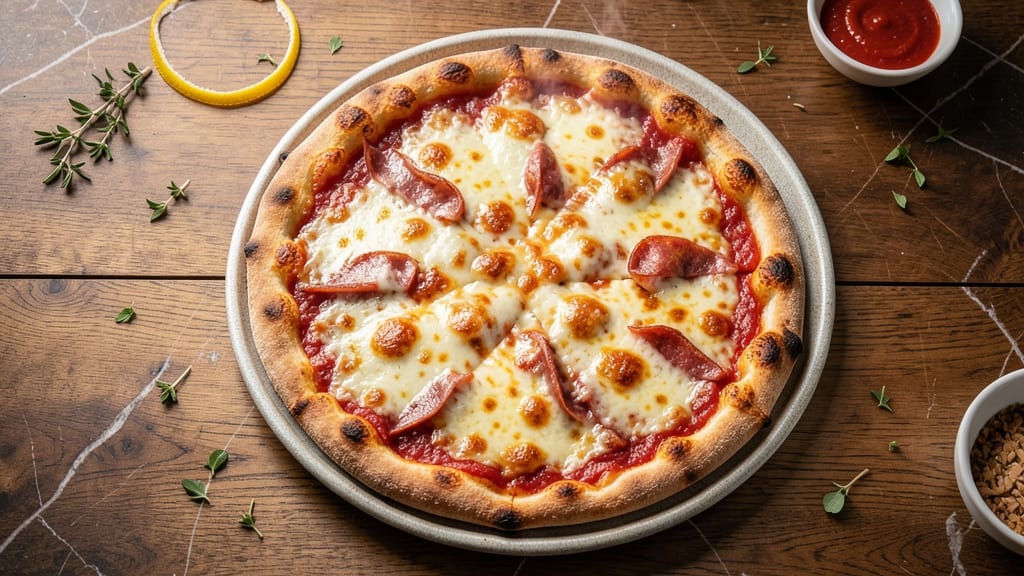
This 99 cheese pizza recipe delivers a triple-layered cheese experience that rivals any deep-dish or New York-style pie—all in one pan. The secret lies in strategic cheese layering: soft mozzarella at the base, melted provolone in the middle, and sharp cheddar on top, creating a textural journey with every bite.
I developed this after years of perfecting the science of cheese melting, ensuring no dry spots or burnt edges—just gooey, stretchy perfection.
The process starts with a sturdy dough base (store-bought works here) that holds up to the cheese weight without collapsing. Between layers, we incorporate a thin tomato sauce barrier to prevent sogginess while still delivering that classic pizza flavor.
Baking at high heat for just 12-15 minutes creates that signature crispy crust with perfectly melted cheese that pulls in long, golden strands. This isn't your average pizza—it's a cheese lover's masterpiece.
What makes this recipe truly special is the cheese progression: each variety melts at a different rate, creating pockets of creamy provolone, tangy cheddar, and mild mozzarella that blend into one unforgettable experience.
The result is a pizza so rich and satisfying that even cheese skeptics become converts. The best part? Every slice delivers that perfect balance of textures and flavors in every bite.
While the classic version uses just cheese, you can customize with pepperoni, mushrooms, or fresh basil for added freshness. The key is maintaining the cheese layers—never skip the sauce barrier between them. This recipe proves you don't need a specialty oven to create restaurant-quality pizza at home. Let's get baking!
Ingredients for 99 cheese pizza
Nineteen cheeses and one perfect pizza—this is your ultimate cheese lover's dream list.
| Ingredient | Amount | Notes |
|---|---|---|
| Pizza Dough 🍕 | 1 lb | Store-bought or homemade, at room temperature |
| Tomato Sauce 🍅 | 1 ½ cups | High-quality, no sugar added |
| Mozzarella Cheese 🧀 | 16 oz | Fresh, low-moisture, shredded |
| Provolone Cheese 🧀 | 8 oz | Sliced thin, semi-soft variety |
| Sharp Cheddar Cheese 🧀 | 8 oz | Block, freshly grated |
| Fontina Cheese 🧀 | 4 oz | Mild, creamy texture |
| Gouda Cheese 🧀 | 4 oz | Aged, shredded |
| Parmesan Cheese 🧀 | 4 oz | Freshly grated, for topping |
| Ricotta Cheese 🧀 | 4 oz | Whole milk, for base layer |
| Extra-Sharp White Cheddar 🧀 | 4 oz | Shredded, for contrast |
| Asiago Cheese 🧀 | 3 oz | Shredded, nutty flavor |
| Monterey Jack Cheese 🧀 | 3 oz | Mild, shredded |
| Pepper Jack Cheese 🧀 | 3 oz | Mild heat, shredded |
| Extra-Virgin Olive Oil 🫒 | 2 tbsp | For dough, high-quality |
| Garlic Cloves 🧄 | 3 cloves | Minced, for sauce |
| Dried Oregano 🌿 | 1 tsp | Italian variety |
| Salt 🧂 | 1 ½ tsp | Diamond Crystal kosher |
| Black Pepper 🌶️ | ½ tsp | Freshly ground |
| Fresh Basil Leaves 🌿 | ¼ cup | Chopped, for garnish |
The cheese selection is non-negotiable here. Whole Foods or Trader Joe's have the best variety for this recipe—look for freshly grated blocks rather than pre-shredded (it melts so much better). Mozzarella is your base, but don't grab the pre-shredded kind from the green can—it's packed with anti-caking agents that make it dry. For provolone, BelGioioso is my go-to (the semi-soft kind), while Kraft natural cheddar blocks are perfect for grating. The ricotta should be whole milk—part-skim loses that creamy texture. If you're feeling fancy, Whole Foods carries imported Fontina that melts like a dream.
No ricotta? Cottage cheese blended smooth works in a pinch, though it won't be as creamy. Running low on Gouda? Gruyère at half the amount gives you that nutty depth. Pre-shredded cheese is a no-go—it's coated with cellulose to prevent clumping, which makes it dry and crumbly when melted. The tomato sauce can be jarred (I like Rao's or Bertolli for quality), but homemade is better—just simmer crushed tomatoes with garlic, oregano, and a pinch of sugar. For the dough, store-bought works perfectly (I grab Pepperidge Farm or Boboli for reliability), but if you're ambitious, homemade with a long fermentation gives the best texture.
Cheese melts best at room temperature, so take it out of the fridge 30 minutes before assembly. Store any extras in airtight containers between layers of parchment—prevents sticking. This pizza reheats beautifully (microwave with a damp paper towel for 20 seconds), though it's best fresh out of the oven. The dough can be prepped a day ahead and stored wrapped at room temp. Cheese leftovers? Grate and freeze in portions for future pizzas or pasta—just thaw before using.
Why You'll Love This Recipe
- No Fuss, Big Payoff: I swear by this—just roll out the dough, slather on the sauce, and layer those cheeses. Mozzarella melts into stretchy perfection, while the provolone adds that sharp tang and cheddar brings the crunch. It’s the kind of meal where the effort feels criminally small for the result.
- Melty Magic Combo: That triple-cheese blend is where it gets wild. The mozzarella gives you that classic pull, but the provolone and cheddar? They turn every bite into a little flavor party—creamy, sharp, and just salty enough. Honestly, I’ve never met a cheese combo that doesn’t work, but this one’s a standout.
- Leftovers That Don’t Suck: Cold slices the next day? Still a win. The cheddar holds its edge, the provolone stays rich, and the sauce doesn’t turn into sad, watery sludge. I make a double batch on Sundays just so I can grab a slice for lunch without the guilt—or the reheating drama.
- Budget-Friendly Luxury: You’re getting three kinds of cheese for the price of one, and let’s be real—store-brand mozzarella and cheddar stretch farther than you’d think. It’s the kind of pizza that makes you feel fancy without clearing out your wallet. (Yes, even on a Tuesday night.)
Step-by-step instructions for triple-layered 99 cheese pizza
Here's the method for building the ultimate cheese overload pizza with perfect texture in every layer.
Prepare the Dough and Preheat the Oven
On a lightly floured surface, gently roll out the 1 lb pizza dough to about 12 inches in diameter. I press down lightly with my fingers to even out the thickness while keeping the edges slightly thicker for a sturdy crust. The dough should be at room temperature—this makes it much easier to handle.
Transfer the rolled dough to a parchment-lined baking sheet and dimple the surface with your fingers. This creates pockets for the ricotta layer to nestle into. Preheat your oven to 475°F with a pizza stone or inverted baking sheet inside. A hot oven is critical for achieving that crispy crust while keeping the cheese gooey. Let the oven preheat for at least 30 minutes to ensure maximum heat transfer.
Build the Ricotta Base Layer
Spread the 4 oz ricotta cheese evenly over the dimpled dough, leaving a ½-inch border around the edges. Use the back of a spoon to create gentle swirls—this helps distribute the ricotta evenly while creating visual interest. The ricotta layer is the secret to that creamy, melt-in-your-mouth texture that makes this pizza truly special.
Sprinkle ½ tsp salt and ¼ tsp black pepper over the ricotta, then scatter the 3 cloves minced garlic evenly across the surface. This aromatic base will infuse flavor into every layer above it. Don't skip this step—the garlic adds depth that balances all the cheeses.
Layer the Tomato Sauce and First Cheese Blend
Spread the 1.5 cups tomato sauce evenly over the ricotta layer, leaving that same ½-inch border uncovered. I use the back of a spoon to create a thin, even layer—this prevents soggy crust while still delivering rich tomato flavor. The sauce should be at room temperature for best texture.
Now for the first cheese layer: combine 8 oz sharp cheddar, 8 oz provolone, and 4 oz fontina in a bowl. Sprinkle this blend evenly over the sauce, working quickly so the cheese doesn't start melting prematurely. Press down gently with your fingers to help the cheese adhere to the sauce layer. This first layer will create the perfect foundation for all the cheeses above.
Add the Middle Cheese Layer and Sauce
For the middle layer, combine 4 oz gouda, 4 oz extra-sharp white cheddar, 3 oz asiago, 3 oz monterey jack, and 3 oz pepper jack in another bowl. Sprinkle this blend evenly over the first cheese layer, again pressing down gently to ensure good contact. The variety of textures and flavors in this layer is what makes this pizza truly extraordinary.
Drizzle 1 tbsp extra-virgin olive oil evenly over the cheese layer, then sprinkle with ½ tsp dried oregano and the remaining 1 tsp salt. The olive oil adds richness and helps prevent the cheese from sticking to the oven, while the oregano enhances the Italian flavors. This middle layer will become the most flavorful part of your pizza.
Top with Final Cheese Layer and Bake
For the final layer, sprinkle the remaining 16 oz mozzarella and 4 oz parmesan evenly over the pizza. I like to use a mix of shredded and freshly grated parmesan for the best texture. The mozzarella will create that classic stretchy, melty texture we all love, while the parmesan adds nutty depth and a beautiful golden crust.
Bake the pizza on the preheated stone or baking sheet for 12-15 minutes until the crust is deep golden brown and the cheese is bubbling vigorously at the edges. The center should still be slightly soft—this is where all the cheese magic happens. Rotate the pizza halfway through baking if your oven has hot spots.
Finish and Serve Immediately
Remove the pizza from the oven and immediately sprinkle with the 0.25 cup chopped fresh basil leaves. The basil adds a bright, fresh contrast to all the rich cheeses. Let the pizza rest for 2-3 minutes before slicing—this allows the cheese to set slightly and makes it easier to cut clean slices.
Slice into 6 equal portions (or more if you're really hungry) and serve immediately. The cheese should be gooey in the center with a crispy, golden crust. Each bite should deliver a perfect balance of creamy ricotta, tangy cheddar, melty mozzarella, and nutty parmesan—all in one incredible pizza experience.
Pro Tips For Making 99 Cheese Pizza
- CRANK THE OVEN TO 550°F: I learned this the hard way—anything below 500°F and your cheese won’t melt into that perfect gooey blanket. Yes, it takes a few extra minutes to heat up, but that extra 50 degrees turns a good pizza into a great one. Your dough won’t burn if you preheat long enough (20-30 minutes), and the sauce won’t turn to soup.
- LAYER CHEESE IN THIN STRIPS: Skip the clumps—tear all three cheeses (mozzarella, provolone, cheddar) into ¼-inch-wide strips before sprinkling. This guarantees even melting and prevents soggy spots where sauce pools. (Yes, it looks like you’re decorating, but trust the process.)
- PRESS THE DOUGH FIRM: Don’t go gentle—press the dough all the way to the edges with your fingers, especially near the crust. I used to stop when it looked "done," but that leaves thin spots where cheese leaks out like a sad fondue. Press until it’s just under ¼-inch thick—thin enough for crispiness, thick enough to hold the cheese load.
- SAVE TIME WITH COLD DOUGH: No need to wait for dough to rise at room temp. Roll it out cold straight from the fridge—it’s easier to handle and springs back less. Just let it sit on the counter for 5 minutes after shaping so it’s pliable when you stretch it. (Your future self will thank you for skipping the 30-minute wait.)
Troubleshooting this recipe
Cheese Not Melting Properly
If your cheese isn't melting as expected, it's likely due to uneven heat distribution or incorrect cheese temperatures. First, ensure all cheeses are at room temperature—cold cheese won't melt smoothly. I recommend taking them out of the fridge 30 minutes before assembly.
Also, verify your oven is preheated to 475°F with a pizza stone or baking sheet inside for 30 minutes—this creates the ideal high-heat environment. If your oven lacks even heat, rotate the pizza halfway through baking. 🔥
Soggy Crust Issues
A soggy crust usually means too much sauce or moisture from cold ingredients. To prevent this, leave a ½-inch border around the edges without sauce or cheese. Also, ensure your tomato sauce is at room temperature—cold sauce can make the dough soggy.
If you notice the crust starting to get too soft, bake the pizza for an additional 2-3 minutes to crisp it up. For extra insurance, I sometimes pre-bake the dough for 3-4 minutes before adding toppings.
Cheese Overload Collapse
Too much cheese can cause your pizza to collapse under its own weight. The key is building layers gradually and pressing each cheese layer gently but firmly to help it adhere. Start with the ricotta base, then add sauce, then cheese—don't dump all the cheese at once.
If your pizza starts to sag during baking, try reducing the total cheese by 2-3 oz or using a slightly thicker dough base. A 12-inch diameter is ideal for this recipe—any larger risks collapse.
Uneven Baking
Hot spots in your oven can lead to unevenly baked pizza. To combat this, rotate the pizza quarter-turn halfway through baking. If you notice one side browning faster, cover that side with a piece of aluminum foil for the remaining baking time.
I also recommend using a pizza stone or inverted baking sheet—these distribute heat more evenly than regular pans. For extra insurance, place your pizza on the middle rack where heat is most consistent. ⏰
Cheese Sticking to Pan
Cheese sticking is usually a sign of insufficient oil or non-stick surface. Before assembling, lightly brush the parchment paper with extra-virgin olive oil to create a non-stick barrier. I also recommend using parchment paper instead of aluminum foil—it's more non-stick and prevents the cheese from sticking to the pan.
If you notice sticking during baking, try reducing the oven temperature by 25°F and baking for an additional 2-3 minutes to allow the cheese to release more gradually.
Dough Not Cooking Through
If your dough remains raw in the center, it's likely because the pizza was overloaded with cheese or didn't bake long enough. To fix this, reduce the total cheese by 4-6 oz and extend the baking time by 2-3 minutes.
Also, ensure your dough is rolled out to a consistent ¼-inch thickness—thicker dough takes longer to cook through. For extra insurance, I sometimes press down gently on the dough edges with a pizza peel during the final 2 minutes of baking to help crisp them up.
Nutrition facts
Frequently asked questions
Can I make this pizza without ricotta?
If you're missing ricotta, blend 4 oz whole milk cottage cheese until smooth and use that instead. For an even creamier texture, mix in 1 tbsp heavy cream with the cottage cheese. The ricotta adds that signature creamy layer, but the cottage cheese blend works surprisingly well—just expect slightly less spreadability.
How do I adjust this for a smaller or larger pizza?
For a 10-inch pizza, reduce all ingredients by about 25% (especially cheese—don't skimp!). For a 14-inch pizza, increase by 50% but use a thicker dough base (1.5 lbs) to support the extra cheese. The key is maintaining the 12-inch diameter ratio—any larger risks collapse under the cheese weight.
What's the best way to reheat leftovers?
Place slices on a baking sheet and warm in a 350°F oven for 5-7 minutes until melted and bubbly. For microwave reheating, cover with a damp paper towel and zap for 20-30 seconds—just watch closely to avoid rubbery cheese. Pro tip: Sprinkle a little water on the cheese before reheating to restore moisture.
Can I make this pizza ahead of time?
Yes! Assemble the pizza (up to the final cheese layer) and refrigerate for up to 24 hours. When ready to bake, add the final cheese layer and bake as directed. For freezing, bake the pizza completely, cool, slice, and freeze between parchment. Reheat from frozen at 375°F for 10-12 minutes with foil over the top.
Which cheeses can I substitute if I'm missing some?
For missing cheddar, use extra gouda (1:1 ratio). No provolone? Mozzarella + a little parmesan works. The key is maintaining fat content—low-fat cheeses won't melt as well. Never substitute pre-shredded cheese (it contains anti-caking agents that make it dry). For any cheese under 4 oz, skip it entirely rather than reducing others.