
Desserts
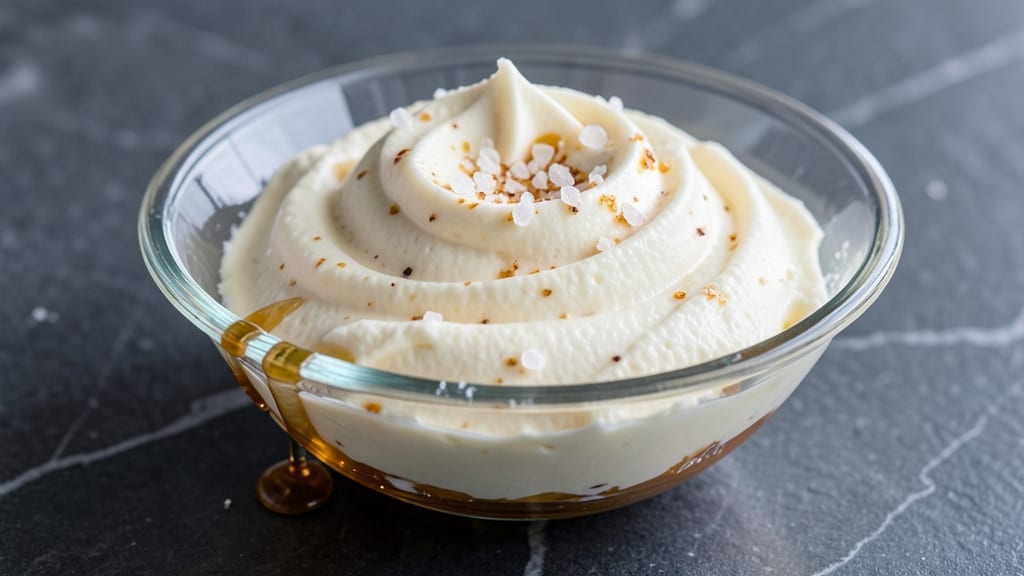
This 8 oz cream cheese frosting recipe delivers the perfect balance of tangy cream cheese and sweet powdered sugar for decorating cakes, cupcakes, and cookies with professional results.
The secret lies in room-temperature ingredients and slow mixing to achieve that signature ultra-smooth, pipeable consistency without lumps or graininess—something store-bought versions can't match.
With just four simple ingredients—cream cheese, butter, powdered sugar, and vanilla extract—this frosting comes together in minutes but requires patience during mixing to ensure a velvety texture.
The recipe yields exactly 8 ounces, making it ideal for small batches of desserts where you want that rich, creamy finish without overwhelming portions.
What makes this frosting truly special is its stability: it holds its shape beautifully when piped, making it perfect for intricate designs on cupcakes or swirls on sheet cakes.
The subtle tang from the cream cheese cuts through the sweetness, creating a sophisticated flavor profile that pairs perfectly with vanilla, chocolate, or even citrus-infused desserts.
Whether you're frosting a single layer cake or filling cupcakes, this recipe delivers restaurant-quality results with minimal effort. The frosting stays fresh in the refrigerator for up to 5 days, allowing you to prep ahead for gatherings or last-minute dessert needs without sacrificing texture or taste.
Ingredients for 8 oz cream cheese frosting
Four essential ingredients transform into ultra-smooth frosting perfect for decorating cakes and cupcakes with professional precision.
| Ingredient | Amount | Notes |
|---|---|---|
| Cream Cheese 🧀 | 8 oz | Room temperature for smooth mixing |
| Unsalted Butter 🧈 | 4 oz | Cut into small cubes for even melting |
| Powdered Sugar 🍚 | 1 cup | Sifted for ultra-smooth texture |
| Pure Vanilla Extract 🍋 | 1 tsp | High-quality, no imitation |
| Diamond Crystal Kosher Salt 🧂 | ¼ tsp | Fine grain for subtle seasoning |
The cream cheese is non-negotiable—Philadelphia brand delivers the most consistent results, but any high-fat, full-bodied variety works. Room temperature is critical; if it's too cold, the frosting will seize during mixing. For the butter, Plugrá or Land O'Lakes unsalted are reliable choices, but any brand will suffice if it's 100% fat content. The powdered sugar should be sifted before measuring to prevent graininess, and Domino brand is a kitchen staple for this reason. Vanilla extract quality matters here—McCormick Pure Vanilla or Lake Champlain extracts elevate the flavor without overpowering.
No cream cheese? Substitute with equal parts mascarpone cheese and sour cream for a similar tangy richness, though texture may vary slightly. Butter substitutes? Vegan butter like Earth Balance works in a pinch, though it lacks the same depth of flavor. Powdered sugar alternatives include confectioners' sugar from any brand, but avoid granulated sugar—it won't dissolve properly. For vanilla, vanilla bean paste can replace extract at half the amount, adding visible specks for decorative appeal. The salt is optional but recommended—Diamond Crystal kosher dissolves cleanly without altering the frosting's delicate balance.
This frosting holds its shape beautifully when chilled, making it ideal for piping intricate designs. Store in an airtight container in the refrigerator for up to 5 days, though it's best used within 24 hours for optimal texture. For longer storage, freeze in 1-ounce portions for up to 3 months. Bring to room temperature before using, and avoid exposing it to moisture to prevent graininess. The frosting thickens slightly when refrigerated, so let it sit at room temperature for 10-15 minutes before piping for the smoothest results.
Why You'll Love This Recipe
- Three-Ingredient Magic: I swear by this combo—just cream cheese, butter, and powdered sugar. No fancy mixers or extra bowls. You beat it with a wooden spoon or a hand mixer until it’s silky, and boom, done. Honestly, the simplicity makes me feel like a baking pro every time.
- Velvet-Smooth Richness: That first bite of this frosting? It’s like a hug for your taste buds. The cream cheese gives it that tangy depth, while the butter keeps it luscious and spreadable. A pinch of salt and a splash of vanilla? That’s all it takes to make it crave-worthy.
- Crowd-Pleaser Every Time: This is my go-to for cupcakes, cheesecakes, or even swirled into brownies. Kids love it, adults adore it, and it’s the kind of frosting that disappears faster than you can say “second helping.” (Yes, even on a Tuesday night.)
- No-Waste Wonder: Make a batch and store it in the fridge for up to a week—it keeps perfectly. Need a last-minute dessert fix? This frosting is my secret weapon. Plus, it’s budget-friendly; you’re not buying pre-made nonsense when this takes five minutes to whip up.
Step-by-step instructions for ultra-smooth cream cheese frosting
Master this professional technique for a velvety, pipeable frosting every time.
👨🍳 Step 1: Prepare Ingredients for Optimal Texture
Begin by ensuring the 8 oz cream cheese is completely room temperature—press it gently with your finger; it should yield slightly but hold its shape. If chilled, let it sit at room temperature for 30-45 minutes while you prepare the other ingredients. Cut the 4 oz unsalted butter into small, even cubes for more consistent melting.
Sift the 1 cup powdered sugar through a fine-mesh sieve directly into a medium bowl to eliminate any clumps that could create graininess in your frosting. This step is non-negotiable for achieving that silky, professional finish. Measure out the 1 tsp pure vanilla extract and 0.25 tsp diamond crystal kosher salt precisely using a clean teaspoon—vanilla extract is potent, and salt balance is crucial for flavor harmony.
🍳 Step 2: Cream Butter and Cream Cheese
In a stand mixer fitted with the paddle attachment, beat the 4 oz unsalted butter and 8 oz cream cheese on medium speed for 3-4 minutes until completely smooth and fully combined. You're looking for a uniform, pale yellow mixture with no visible lumps or butter chunks. This process incorporates air and begins emulsifying the fats—critical for that light, spreadable texture.
I press down gently on the mixture with a spatula during the first minute to help break down any remaining lumps. If the mixture seems too thick, don't panic—this is normal at this stage. The powdered sugar will come next to lighten the texture. Scrape down the sides of the bowl with a rubber spatula to ensure even mixing as you proceed.
🥘 Step 3: Gradually Incorporate Powdered Sugar
With the mixer running on low speed, gradually add the sifted 1 cup powdered sugar over 2-3 minutes, allowing the mixer to fully incorporate each addition before adding more. This gradual approach prevents sugar from settling at the bottom and creates a smoother final texture. After all the sugar is incorporated, increase the speed to medium and beat for an additional 2-3 minutes until completely smooth and fluffy.
Here's the thing—if you add the sugar too quickly, you risk creating a grainy texture. Watch for the mixture to lighten in color and become airy. You'll know it's ready when it holds soft peaks when the paddle is lifted. The frosting should be thick enough to pipe but still spreadable—this is the ideal consistency for both piping and spreading applications.
⏰ Step 4: Finish with Vanilla and Salt
Remove the bowl from the mixer and stir in the 1 tsp pure vanilla extract and 0.25 tsp diamond crystal kosher salt using a silicone spatula. The salt may seem like a small amount, but it enhances all the flavors in the frosting, balancing the sweetness. Taste the mixture at this stage—it should be sweet but not cloying, with a clean vanilla aroma. Adjust the salt slightly if needed, but remember that the powdered sugar already contains some saltiness.
For maximum flavor development, let the frosting sit at room temperature for 10-15 minutes before using. This resting period allows the flavors to meld completely. If you're working with a warm cake, this brief rest also prevents the frosting from melting too quickly when applied. The texture will become slightly firmer, making it easier to pipe or spread without losing its shape.
🍽️ Step 5: Use Immediately or Store Properly
Transfer the frosting to a piping bag fitted with your desired tip for decorating, or spread it directly onto your baked goods using an offset spatula. For best results, use the frosting within 4 hours of making it, as it will firm up slightly as it sits. If you need to store it, cover the bowl tightly with plastic wrap pressed directly against the surface to prevent a skin from forming.
This frosting keeps well in the refrigerator for up to 5 days when properly stored. To use chilled frosting, let it sit at room temperature for 15-20 minutes before piping or spreading to achieve the perfect consistency. The key to success with this recipe lies in the precise technique of gradual mixing and proper ingredient preparation—follow these steps carefully, and you'll achieve a professional-quality frosting every single time.
Pro Tips For Making 8 Oz Cream Cheese Frosting
- SOFTEN CREAM CHEESE FIRST: Take the cream cheese out of the fridge 30 minutes before mixing—room temperature works best, but if you’re in a rush, microwave it for 10 seconds at 50% power and let it sit for 2 minutes. Cold cream cheese fights the mixer like a stubborn mule, and you’ll end up with lumps no amount of beating can fix.
- WEIGH THE POWDERED SUGAR: Don’t eyeball the powdered sugar—use a kitchen scale for accuracy. A standard recipe calls for roughly 3-4 cups, but scooping can leave you with a frosting that’s either grainy or too thin. A little extra sugar smooths out texture issues, but too little means you’ll be scraping the sides of the bowl for crumbs.
- BEAT BUTTER UNTIL TRULY CREAMY: Don’t just "soften" the butter—beat it until it’s fluffy and pale, about 2-3 minutes in the mixer. This step aerates the fat, making the frosting lighter and preventing that heavy, greasy texture that ruins everything. (Yes, even if you’re impatient like me.)
- SALT IN LAYERS: Add half the kosher salt with the cream cheese and the rest with the powdered sugar. Diamond Crystal is coarser, so sprinkling it in stages lets you taste and adjust—too much upfront can make the frosting taste flat. A pinch at the end guarantees balance without overpowering.
Creative variations of these flavors
Citrus Zest Twist
Brighten your frosting with 1 tsp lemon or orange zest added during the final mixing stage. The citrus oils cut through the sweetness beautifully, creating a refreshing contrast that pairs perfectly with vanilla or chocolate cakes.
I like to use organic Meyer lemons for their natural sweetness, but regular lemons work too. For extra zing, add ½ tsp lemon juice along with the vanilla extract. This variation is especially popular for spring and summer desserts. 🍋
Spiced Chai Version
Transform your frosting into a cozy chai-inspired treat by adding ½ tsp ground cinnamon, ¼ tsp ground cardamom, and ¼ tsp ground ginger with the vanilla. For warmth, I sometimes include a pinch of nutmeg as well.
This spiced frosting complements pumpkin or apple desserts beautifully, creating a flavor profile that feels like a hug in every bite. Store-bought chai spice blends work too—just use 1 tsp total.
Chocolate-Dipped Decadence
Take your frosting to the next level by adding 2 oz melted dark chocolate (about ¼ cup) to the butter-cream mixture. Use high-quality 70% cacao chocolate for depth of flavor.
Mix it in during the final stages with the vanilla and salt, and let the chocolate cool slightly before incorporating. This creates a marbled effect when piped, perfect for dramatic cupcake toppers or cake borders. For extra richness, fold in 1 tbsp whipped cream at the end.
Coconut Cream Swirl
For a tropical twist, replace 2 oz of the butter with 2 oz coconut cream (chilled overnight). After mixing the frosting, pipe dollops onto parchment paper, then swirl in 1 tbsp toasted coconut flakes before chilling. This variation works wonderfully with pineapple or mango desserts.
For a smoother version, blend the coconut cream with the butter first to create a cohesive texture. The result is a creamy, slightly nutty frosting with a beautiful golden hue. 🥥
Herb-Infused Elegance
Elevate your frosting with 1 tsp finely chopped fresh herbs like mint, basil, or lavender (use ½ tsp dried lavender if fresh isn't available). These herbs add an unexpected sophistication that pairs beautifully with floral or fruit-based desserts.
I recommend using candied mint leaves for a festive touch during the holidays. For lavender, steep 1 tsp dried buds in 2 tbsp warm milk for 10 minutes, then strain and mix into the frosting. This variation is perfect for garden parties or elegant tea-time treats.
Salted Caramel Fusion
Create a sophisticated dessert experience by adding 2 tbsp salted caramel sauce (homemade or store-bought) to the frosting during the final mixing stage. The caramel should be slightly cooled but still pourable.
For homemade caramel, use ½ cup granulated sugar and 2 tbsp heavy cream with a pinch of flaky salt. This variation works beautifully on chocolate cakes or as a filling for caramel-filled cupcakes. The contrast of sweet, salty, and creamy flavors is simply irresistible. 🍬
Nutrition facts
Frequently asked questions
Why does my cream cheese frosting turn grainy?
Graininess usually happens when powdered sugar isn't sifted or when ingredients are added too quickly. Always sift the sugar first and mix on low speed while gradually adding it to the butter-cream mixture. If it's already grainy, try blending with a hand mixer for 1-2 minutes to smooth it out. Cold cream cheese can also cause lumps, so always use room-temperature ingredients.
Can I make this frosting without a stand mixer?
Use a hand mixer or even a whisk with elbow grease. Beat the butter and cream cheese together for 5-7 minutes until completely smooth, then gradually add the powdered sugar while mixing on low speed. You may need to scrape the bowl occasionally to ensure even mixing. The key is patience—hand mixing just takes more time than a stand mixer.
How do I adjust the consistency for piping vs. spreading?
For piping: Chill the frosting for 30 minutes before using—it will firm up slightly. For spreading: Let it sit at room temperature for 10-15 minutes to soften. If too thick, add 1-2 tsp milk or heavy cream at a time until smooth. If too thin, refrigerate for 15 minutes and re-whisk. The ideal texture should hold its shape when piped but still spread smoothly with a spatula.
What's the best way to store leftover frosting?
Transfer to an airtight container and refrigerate for up to 5 days. Press plastic wrap directly against the surface to prevent a skin from forming. For longer storage, freeze in 1-ounce portions for up to 3 months. Thaw overnight in the fridge before using. Never refreeze thawed frosting—it loses texture. Always bring chilled frosting to room temperature before piping or spreading.
Can I substitute powdered sugar with something else?
Not recommended for this recipe—powdered sugar dissolves completely for a smooth texture. If you must substitute, try confectioners' sugar from another brand (like Domino), but avoid granulated sugar (it won't blend properly). For a lower-carb option, you can replace up to ¼ cup with erythritol or monk fruit sweetener, but texture may vary slightly. Always sift your substitute to prevent graininess.