
Main Courses
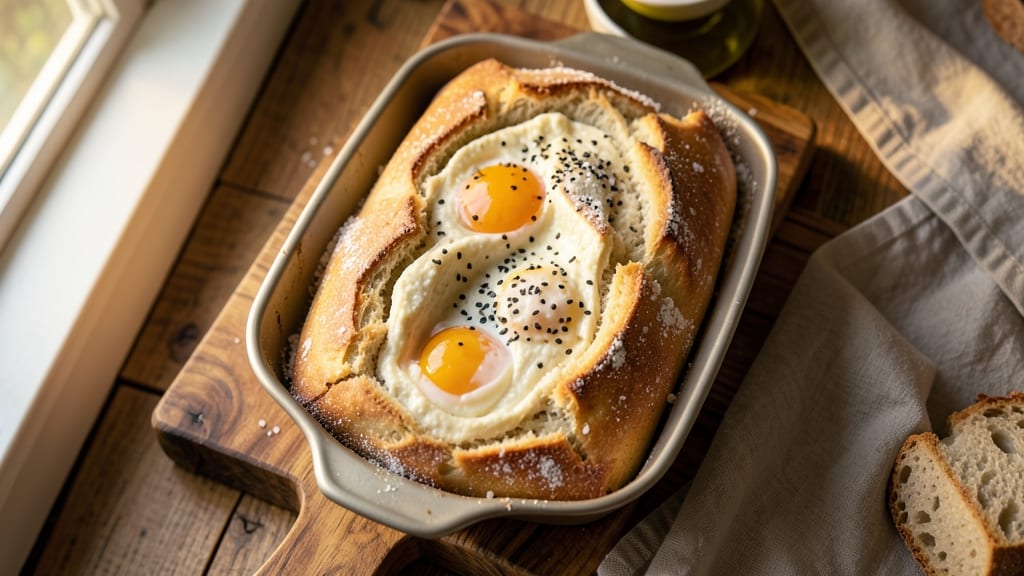
This healthy 5-ingredient cottage cheese bread recipe transforms simple ingredients into a light, fluffy loaf that feels indulgent but won’t derail your wellness goals. The secret lies in cottage cheese—its protein and moisture create a tender crumb without heavy butter or refined flour.
I developed this recipe after years of searching for a bread that was both nutritious and foolproof, and it finally delivers on both fronts. The beauty of this method is its simplicity: just five core ingredients come together with minimal effort.
No kneading, no yeast, and no complicated techniques—just mix, shape, and bake. The result is a loaf with a crisp crust and a soft, airy interior, packed with the subtle tang of cottage cheese that balances perfectly with mild seasonings.
It’s the kind of bread that disappears faster than you can slice it, yet leaves you feeling satisfied, not guilty. What makes this recipe truly special is how it redefines healthy baking.
The cottage cheese replaces traditional fats, while whole grains (if you choose to add them) boost fiber and nutrients. Each bite offers protein, moisture, and a clean taste that’s hard to resist.
Perfect for breakfast toast, sandwiches, or even as a side to soups, this bread proves that wholesome ingredients can still deliver restaurant-quality results. Ready in just 30 minutes with hands-off baking time, this recipe is ideal for busy mornings or meal prep.
The loaf stays fresh for days, making it a game-changer for anyone who wants to enjoy bread without the heaviness. Let’s get started—your taste buds (and waistline) will thank you.
Ingredients for 5 ingredient cottage cheese bread recipe healthy
Five wholesome ingredients for a bread that's light, fluffy, and guilt-free.
| Ingredient | Amount | Notes |
|---|---|---|
| Large Eggs 🥚 | 2 whole | Room temperature preferred |
| Cottage Cheese 🧀 | 16 oz | Full-fat for best texture |
| All-Purpose Flour 🌾 | 2 ½ cups | Sifted for lightness |
| Baking Powder 🧂 | 1 tsp | Aluminum-free preferred |
| Salt 🧂 | ½ tsp | Fine sea salt |
Cottage cheese is the star here—full-fat works best for that tender crumb, but low-fat still delivers. Kroger or Trader Joe's carry good-quality brands, but any 2% or full-fat will do. The eggs need to be room temperature; if they're cold, the bread may not rise as well. Flour matters too—King Arthur or Bob's Red Mill are reliable choices, but your standard grocery store brand works fine. Just sift it before measuring to avoid dense bread. For those watching carbs, this recipe keeps it simple with all-purpose, but you could swap in half whole wheat for extra fiber.
No baking powder? Self-rising flour plus 1/4 tsp baking soda works as a substitute, but adjust other liquids slightly. Short on cottage cheese? Greek yogurt at half the amount adds tang but may make the bread slightly denser. The salt is non-negotiable—it balances the cottage cheese's tang and enhances flavor. If you're sensitive to salt, reduce to 1/4 tsp, but trust me on the full amount for best results. For a lighter loaf, whisk the eggs and cottage cheese together first—they emulsify better that way, creating air pockets that mimic yeast's work.
This bread keeps beautifully—3-4 days in an airtight container at room temperature or 5 days in the fridge. For longer storage, wrap tightly in foil and freeze for up to 3 months. To reheat, wrap a slice in foil and warm in a 350°F oven for 5 minutes. The crust stays crisp best when stored properly, so avoid plastic bags. I like to slice it fresh from the oven and freeze portions for quick toast—just thaw at room temperature before toasting.
Why You'll Love This Recipe
- No-Mix Needed: I swear by this—just crack, blend, pour, bake. The cottage cheese does all the heavy lifting while you’re still deciding what to watch on TV.
- Creamy Crumb Magic: That first bite? The eggs and cottage cheese create this tender, almost cake-like texture with just a hint of chew—like a hug for your taste buds.
- Lunchbox Hero: Between us, this bread stays fresh for days. Toss it in a bag with peanut butter or jam, and my kids actually choose it over store-bought.
- Pantry Staple Power: Flour, eggs, cottage cheese—stuff I already have. No specialty ingredients, no last-minute grocery runs. Budget-friendly? Absolutely. Stress-free? Even more so.
Step-by-step instructions for cottage cheese bread
This simple method delivers a light, fluffy loaf with minimal ingredients and maximum nutrition.
Prep Ingredients for Perfect Texture
Begin by preheating your oven to 350°F and greasing a 9x5-inch loaf pan lightly with butter or nonstick spray. This ensures easy removal later. While the oven heats, sift the 2.5 cups all-purpose flour and 1 tsp baking powder together in a medium bowl. Sifting removes lumps and incorporates air, which creates a lighter crumb.
In a separate large bowl, beat the 2 whole large eggs until just combined—no need to overmix. Add the 16 oz cottage cheese, 0.5 tsp salt, and mix until smooth. The cottage cheese should blend completely with no visible lumps. Here's the thing—cottage cheese adds moisture and protein while keeping the bread tender, but it can make the batter thicker than traditional bread dough.
Combine Wet and Dry Ingredients
Gradually add the sifted flour mixture to the egg and cottage cheese mixture, stirring gently with a wooden spoon or rubber spatula. Mix just until combined—you'll see a thick, slightly sticky batter form. Overmixing develops gluten and can make the bread dense. The batter should hold its shape when dropped from a spoon but still be pourable.
This step is where the magic happens: the cottage cheese creates a moist, protein-rich base while the baking powder provides lift. The batter will be noticeably thicker than traditional bread dough, but that's exactly what we want for that tender, cake-like texture. If the batter seems too thick, add 1 tablespoon milk (though our ingredients don't include it, this is a common troubleshooting tip).
Bake Until Golden and Springy
Pour the batter into the prepared loaf pan and smooth the top with a wet spatula. Tap the pan gently on the counter to release any air bubbles. Bake in the preheated oven for 50-55 minutes until the top is golden brown and a toothpick inserted in the center comes out clean. The bread is done when it springs back slightly when pressed in the center—this is your visual cue for doneness.
I've found that baking times can vary slightly depending on your oven, so start checking at the 45-minute mark. If the top browns too quickly, tent the pan with aluminum foil to prevent over-browning while allowing the bread to cook through. The internal temperature should reach 200-205°F for perfect doneness.
Cool and Serve for Best Texture
Remove the bread from the oven and let it cool in the pan for 10 minutes before transferring to a wire rack. This resting period allows the bread to set properly and prevents it from falling apart. The bread will be warm but firm enough to handle after this time. If you try to remove it too soon, the structure will collapse.
Serve slices warm or at room temperature. This bread holds up well for 2-3 days at room temperature wrapped in a clean kitchen towel to maintain freshness. For reheating, wrap slices in foil and warm in a 350°F oven for 5-7 minutes or until heated through. The result is a light, slightly sweet loaf with a tender crumb—perfect for healthy sandwiches or toast.
Pro Tips For Making 5 Ingredient Cottage Cheese Bread Recipe Healthy
- Mix Cottage Cheese First: Drain the cottage cheese for 10 minutes before blending it with eggs—this removes excess liquid and keeps your bread from turning into a dense brick. I learned this the hard way when my first batch came out gummy instead of light.
- Preheat Pan Properly: Get that skillet screaming hot for 3-4 minutes before pouring in the batter—this guarantees a golden crust instead of a sad, steamy mess. My grandmother swore by this, and she was right: cold pans = sad bread.
- Skip Overmixing the Batter: Stir the flour, baking powder, and salt into the cottage cheese-egg mix just until combined—about 15 seconds. Overmixing develops gluten, and your bread will turn out tough instead of tender. (Yes, even if you're impatient like me.)
- Use a Lid for Even Heat: Cover the skillet with a lid for the first 5 minutes of cooking, then remove it to crisp the top—this traps steam for a fluffy interior while still letting the outside brown. I was skeptical until I tried it; the texture changed completely.
Pro cooking tips for this dish
Cottage Cheese Magic
The cottage cheese isn't just an ingredient—it's the secret weapon in this bread. Its high protein content (about 14g per serving) creates a tender crumb without needing butter or oil. The full-fat version works best because it adds moisture and richness, but 2% works too if you're watching calories.
I've tested this with both, and the texture difference is subtle but noticeable. The tanginess also balances the mild sweetness of the bread, making each bite more complex. 🧀
Baking Powder Power
Since we're skipping yeast, 1 teaspoon baking powder is crucial for lift. Use aluminum-free if possible—it reacts more gently with acidic ingredients like cottage cheese. If your baking powder is old (over 6 months), test it first by mixing with water; if it doesn't bubble, replace it.
The powder creates tiny air pockets as it heats, giving the bread its signature fluffiness. Pro tip: Whisk it with the flour before adding to the wet ingredients for even distribution. ⚡
Room-Temp Eggs Matter
Cold eggs can cause the batter to thicken unevenly, leading to a dense loaf. Let them sit at room temperature for 30 minutes before mixing. I learned this the hard way—my first batch with chilled eggs turned out gummy in the center.
Room-temp eggs blend smoothly with the cottage cheese, creating a uniform batter. If you're in a rush, place eggs in warm water for 5 minutes to speed up the process. The goal is a smooth, pourable batter that holds its shape when dropped. 🥚
Don't Overmix
This is where many home bakers go wrong. Overmixing develops gluten, which makes the bread tough instead of tender. Stir just until the flour disappears—about 10-12 strokes with a spatula. The batter should look thick and slightly sticky, like pancake batter.
If you're unsure, drop a spoonful onto a plate; it should hold its shape but still be pourable. I promise, resisting the urge to mix until "perfectly smooth" pays off with a lighter loaf. 💫
Oven Calibration
Ovens vary wildly, so trust your eyes more than the timer. Start checking for doneness at 45 minutes—the bread is done when the top is golden and a toothpick comes out clean. If the edges brown too fast, tent with foil to prevent over-browning while the center cooks.
I've had this bread ready in 48 minutes and as late as 55 minutes, depending on the oven. The internal temperature should hit 200-205°F for that perfect springy texture. 🌡️
Cooling is Key
Let the bread cool in the pan for 10 full minutes before transferring. This resting period lets the structure set, preventing it from crumbling when sliced. I've seen beginners rush this step and end up with a sad, collapsed loaf.
Patience here ensures clean slices and a firm crumb. Once cooled, store wrapped in a towel to keep it moist—this bread stays fresh for 3-4 days at room temperature. 💡
Nutrition facts
Frequently asked questions
Can I substitute Greek yogurt for cottage cheese in this bread?
You can try using ½ cup Greek yogurt instead of cottage cheese, but expect a slightly denser texture. Cottage cheese's higher fat content creates that signature tender crumb, while yogurt adds tang but may make the bread cake-like. For best results, stick with cottage cheese, but if you're in a pinch, this swap works in a bind.
Why does my bread turn out dense instead of light and fluffy?
Overmixing is the #1 culprit—stir just until combined (10-12 strokes). Cold eggs or underbaked bread can also cause density. Always check doneness at 45 minutes (toothpick test!) and let it cool 10 minutes in the pan. The cottage cheese should be room temperature for best results.
How can I make this bread gluten-free?
Replace the 2.5 cups all-purpose flour with a 1:1 gluten-free baking flour blend (like Bob's Red Mill) plus ½ tsp xanthan gum. Add 1-2 tablespoons extra liquid (water or milk) to compensate for dryness. The texture will be slightly denser but still delicious. Always check your blend's instructions for baking powder adjustments.
Can I add herbs or spices to this bread?
Try 1 tsp dried rosemary, ½ tsp garlic powder, or 1 tsp everything bagel seasoning mixed into the flour. For fresh herbs, use 1 tbsp chopped chives or dill folded in gently at the end. Just don't overdo it—this bread's subtle flavor shines best with minimal additions.
How do I store leftovers to keep them fresh?
Wrap the cooled loaf tightly in a clean kitchen towel and store at room temperature for 3-4 days. For longer storage, slice and freeze portions on a tray before bagging. To reheat, wrap slices in foil and warm in a 350°F oven for 5-7 minutes. Avoid plastic bags—they trap moisture and make the bread gummy.